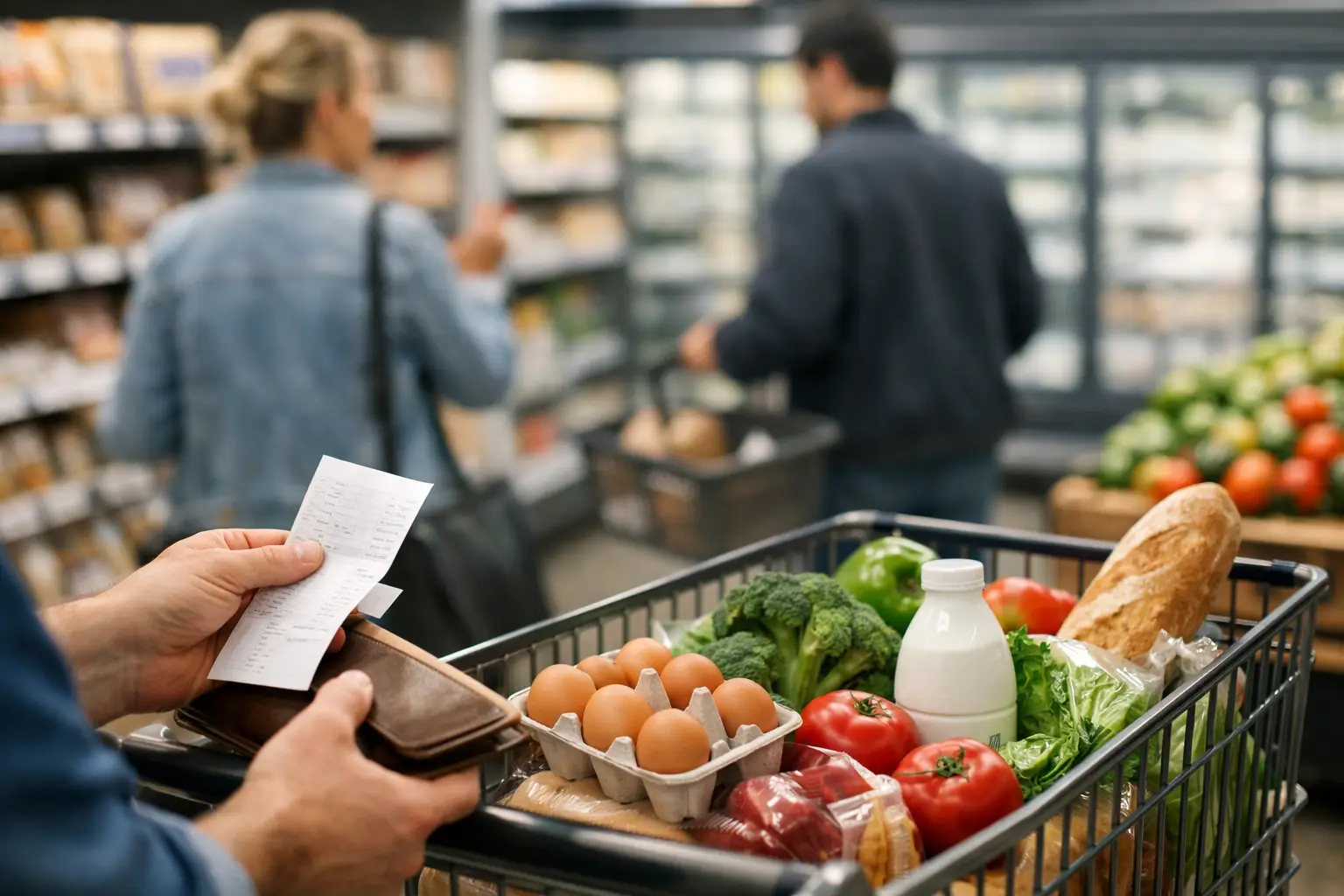
A $6 bag of chips, a carton of eggs that suddenly feels like a splurge, and a weekly total that jumps before anything fun even lands in the cart: grocery inflation has turned routine shopping into a real-life price guessing game. For shoppers trying to feed a family, pack work lunches, or grab ingredients for a low-key dinner with friends, the squeeze is not just about one expensive item. It is about the way small increases stack up across every aisle.
The good news? A higher grocery bill does not mean every delicious habit has to go. The smartest shoppers are getting more flexible about brands, timing, and what counts as a weeknight win.
Why grocery inflation still feels so personal
Food is one of the few expenses people see up close, often multiple times a week. Rent may rise once a year, but a grocery receipt delivers its own tiny headline every time you check out. And unlike a new phone or a vacation, groceries are not an easy purchase to postpone.
Prices can move for plenty of reasons: weather that hurts crops, higher labor and transportation costs, animal disease, packaging expenses, global supply disruptions, and shifting demand. A drought can affect produce. A spike in cocoa prices can make chocolate treats feel extra premium. When an ingredient becomes scarce or costly, the effect can show up in everything from cereal to frozen pizza.
That is why the experience can feel so uneven. One week, berries are a steal while coffee costs more than expected. Another week, meat deals look great but a favorite pantry staple has quietly climbed in price. Grocery inflation is not one big universal price tag. It is a constantly moving mix of categories, regions, store promotions, and household habits.
There is also a difference between prices rising more slowly and prices returning to their old levels. When inflation cools, it generally means the pace of increases has eased. It does not necessarily mean the items that got expensive suddenly become cheap again. That distinction matters when shoppers wonder why their total still feels high even after hearing more encouraging economic news.
The cart has become a strategy session
For many Americans, the weekly grocery trip now starts before leaving the house. Store apps, digital coupons, pickup orders, loyalty pricing, and a quick scan of what is already in the freezer can make a noticeable difference. The modern grocery cart is part meal plan, part budget spreadsheet, part choose-your-own-adventure.
Private-label products are having a very real moment. Store-brand tortilla chips, sparkling water, pasta sauce, frozen vegetables, and pantry basics can often deliver the same convenience at a friendlier price. This is not about settling. Retailers have put serious energy into making their own brands look, taste, and feel more craveable, from stylish packaging to bold flavors that could easily hold their own at a game-day spread.
Shoppers are also becoming more selective about where they splurge. Maybe it is a beloved cold brew, a premium cheese for Friday-night snacks, or the limited-edition cookie flavor that makes a regular week feel more fun. The trade-off might be choosing a value-size box of cereal, skipping pre-cut fruit, or building two meatless dinners into the rotation.
That is not deprivation. It is editing the cart with intention.
Convenience is still worth something
The least expensive item is not always the best buy if it goes unused. A giant bag of produce that wilts by Wednesday is not a budget victory, and neither is buying an unfamiliar bargain that nobody wants to eat.
For busy households, some convenience foods earn their place. Bagged salad kits, rotisserie chicken, frozen dumplings, pre-chopped vegetables, and ready-to-heat grains can prevent a more expensive last-minute takeout order. The better question is not simply, “Is this item cheap?” It is, “Will this make the week easier and actually get eaten?”
It depends on your schedule, your household, and the price gap. If whole carrots are dramatically cheaper and you have time to chop them, great. If paying a little more for prepared vegetables helps you get dinner on the table after a long commute, that can be money well spent.
How to shop smarter without making food boring
The most useful grocery habits are simple enough to repeat when life gets hectic. Start by checking the weekly circular or store app before planning meals, not after. Build around what is on sale, especially proteins and produce, then add a few flexible staples that can work in more than one meal.
A sale price only matters if it beats the price you usually pay, so it helps to keep a loose mental benchmark for household regulars. This is especially true for items that are frequently promoted, like cereal, yogurt, paper goods, coffee, and snack packs. Stocking up during a true sale can help, but only for shelf-stable or freezer-friendly foods you know you will use.
When a favorite ingredient gets pricey, swap the role it plays rather than forcing an exact replacement. If fresh berries are expensive, try frozen berries in smoothies or oatmeal. Or, if ground beef costs more than you want to spend, stretch it with beans in tacos, chili, or pasta sauce. Lastly, if avocados are having an expensive week, hummus or seasoned white beans can bring creamy energy to a sandwich or grain bowl.
A few easy moves can keep dinners feeling fresh:
- Use a rotisserie chicken for tacos one night, grain bowls the next, and soup or wraps after that.
- Treat eggs, beans, lentils, and canned fish as full dinner options, not backup plans.
- Buy in-season produce for everyday meals, then use a smaller amount of premium produce as a fun finishing touch.
- Keep one “rescue meal” in the freezer for the nights when cooking from scratch is not happening.
This approach leaves room for the things that make grocery shopping enjoyable. Food is still culture, comfort, and a little bit of entertainment. If a new spicy chip drop or seasonal coffee creamer makes you happy, put it in the cart. Just make it a deliberate treat instead of an accidental add-on that turns into five more impulse buys.
The sneaky costs worth watching
Unit prices can reveal a lot, especially when packages shrink while the shelf price stays nearly the same. That smaller box may look familiar, but the price per ounce, pound, or count tells the real story. It takes a few extra seconds in the aisle, yet it is one of the clearest ways to spot whether a deal is truly a deal.
Prepared foods also deserve a quick reality check. A pre-made sandwich, cut fruit cup, or individual snack pack can be perfect for a road trip, office day, or packed school schedule. But buying those items every week can quietly inflate the total. Mixing convenience purchases with lower-cost basics usually works better than treating every item the same way.
Be careful with promotions that require buying more than your household can realistically finish. “Buy five, save five” can be excellent for pantry goods, but less exciting when it applies to a flavor you have never tried or produce with a short shelf life. A deal is only a deal if it fits your routine.
What this means for food trends right now
Grocery inflation is changing more than budgets. It is changing what feels worth trying. Value packs, frozen foods, store brands, meal kits, global pantry staples, and versatile sauces are all getting more attention because they offer variety without requiring a restaurant-sized spend.
This is also why affordable indulgences have staying power. A new soda flavor, a fancy frozen dessert, a restaurant-inspired sauce, or a bakery-style cookie can deliver a quick hit of novelty for less than a full night out. Shoppers are not abandoning fun food. They are choosing smaller, smarter ways to bring it home.
Retailers and brands that understand this balance will stand out. The winning products will not just be trendy. They will taste great, solve a real weekday problem, and feel like a treat without blowing up the receipt.
The next time the total at checkout feels frustrating, resist the urge to make your cart joyless. Keep the staples flexible, use sales as inspiration, and save room for one thing that makes dinner, snack time, or Sunday breakfast feel a little more delicious.


Leave a Reply