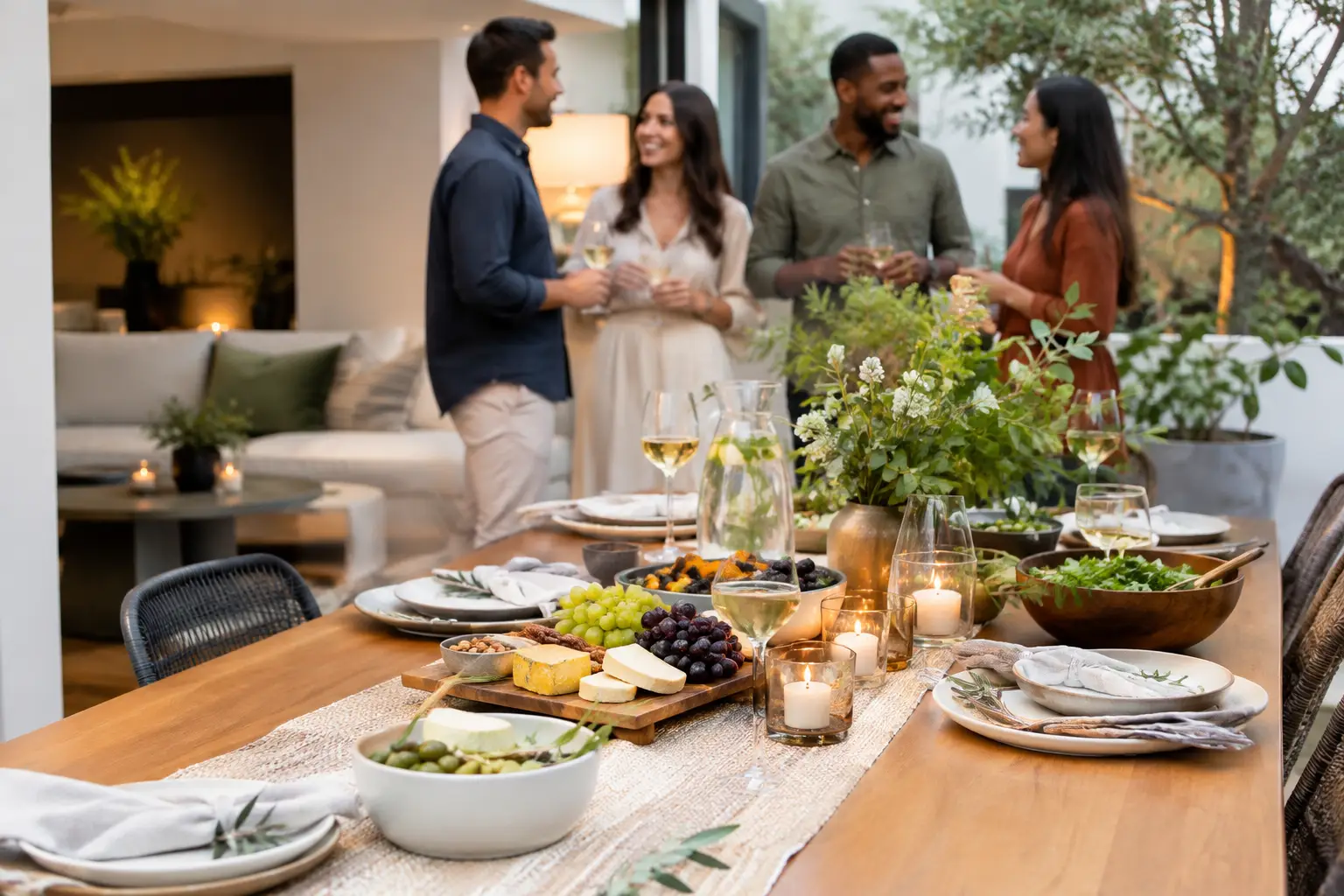
The best party of 2026 may start with a text that says, “Come over at 7, I’m making a snack board.” No formal invitation, no matching glassware, no pressure to produce a restaurant-caliber meal. The biggest home entertaining trends 2026 are making hosting feel more personal, more playful, and far less exhausting – which is very good news for anyone who loves having people over but does not love spending two days preparing for it.
This year’s gatherings are built around small upgrades with big personality: a themed drink, a cozy lighting switch, a nostalgic snack, a playlist with a point of view. Think less “perfect dinner party” and more “you had to be there.”
Home Entertaining Trends 2026: Low-Lift, High-Flavor
The era of hosts disappearing into the kitchen is losing its appeal. People want to be part of their own party, so menus are getting smarter, shorter, and easier to assemble. The goal is not to impress guests with how much work you did. It is to make the room feel generous.
That means snack-forward spreads are still winning, especially when they mix store-bought favorites with one or two homemade elements. A bowl of marinated olives, warm baked feta, a signature dip, or cookies pulled from the oven can make a few great packaged finds feel instantly more special. Rotisserie chicken, frozen dumplings, elevated chips, and bakery desserts are all fair game.
The sweet spot is contrast. Put a spicy ranch dip next to crunchy vegetables and salty kettle chips. Pair good cheese with juicy grapes, pepper jelly, and buttery crackers. Serve a takeout-friendly main with a crisp salad you made yourself. Guests are not grading the menu. They are responding to the feeling that there is plenty to eat and something fun to try.
The return of the grazing table – with boundaries
Oversized grazing tables are evolving into more focused snack moments. Instead of buying every item in the specialty cheese aisle, hosts are choosing a lane: a taco toppings bar, a loaded baked potato setup, a movie-night candy counter, or a “dip dinner” with warm pita, vegetables, chips, and fries.
A single idea makes shopping easier and gives guests an instant conversation starter. It also helps with budget. A build-your-own bar can stretch a few affordable ingredients much further than a plated dinner for eight.
Drinks Are Becoming the Main Event
A good drink station now does some of the decorating for you. Bright citrus, pretty glassware, colorful garnishes, and a bucket of ice make even a casual kitchen counter feel party-ready.
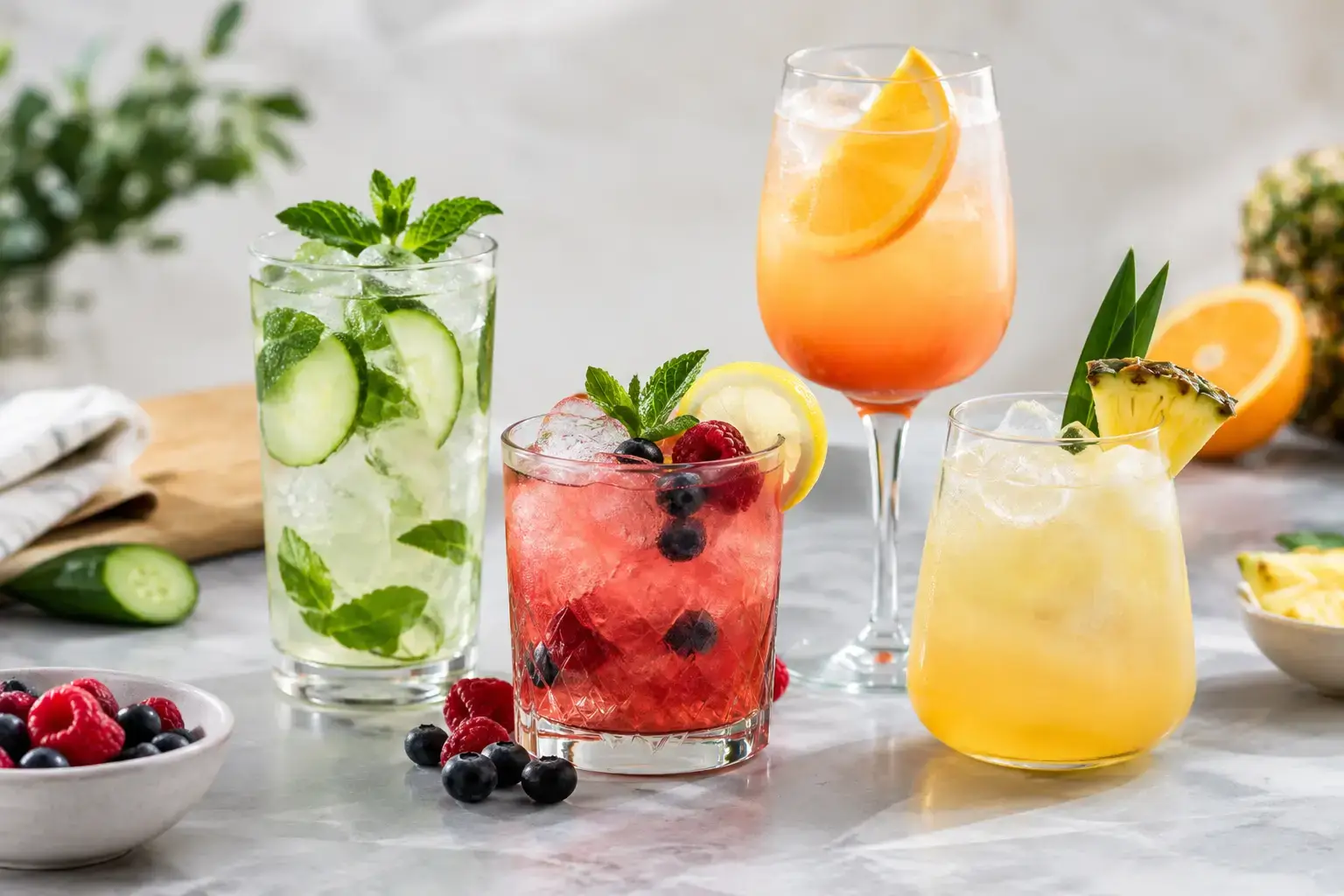
For 2026, expect hosts to lean into one signature cocktail or mocktail rather than attempting a full bar. A spicy paloma, a berry spritz, a frozen espresso drink, or a ginger-lime fizz gives the night its own flavor. The nonalcoholic option should be just as exciting, not an afterthought tucked beside a bottle of water.
Batch drinks are especially useful for busy hosts. Mix a pitcher before guests arrive, then set out sparkling water, citrus wheels, herbs, and a few optional add-ins. People can customize without asking you to play bartender all night.
There is a practical trade-off here: elaborate garnishes look great in photos, but they can become a last-minute chore. Pick one visual detail that delivers. A bowl of sliced oranges, a rim of chili salt, or a few skewers of frozen berries is enough to make a drink feel celebratory.
Tiny Themes Make Casual Plans Feel Special
Themed entertaining is getting less costume-party literal and more vibe-driven. Hosts are building nights around a color, a destination, a nostalgic food memory, or a pop-culture moment. A red-and-pink pasta night for Valentine’s season, a backyard “coastal snack shack,” or a watch party with foods inspired by the show are all easy ways to make an ordinary Friday feel like an occasion.
The key is to keep the theme light. You do not need custom signage, matching plates, and a complicated menu. One food cue, one drink cue, and one music cue can tell the whole story.
This is where the most shareable gatherings stand out. A clever theme gives guests something to post, but more importantly, it gives them something to remember. It turns “we hung out” into “remember the night we made mini martinis and ate French fries out of paper boats?”
Nostalgia is still on the menu
Childhood favorites are showing up with a grown-up twist: pizza bagels with hot honey, DIY sundae bars, cereal-inspired desserts, retro chip-and-dip spreads, and dinner-party versions of fast-food classics. These foods work because they are instantly legible. Nobody needs an explanation for why a tray of mozzarella sticks disappears first.
For hosts, nostalgia is also a low-risk move. Familiar food helps mixed groups relax, especially when not everyone knows each other. You can balance it with one more adventurous item, but a party does not need to become a culinary experiment.
The Best Decor Is Usually Lighting
Home entertaining in 2026 is less about buying a new set of themed decorations and more about changing the atmosphere. Turn off harsh overhead lights. Add table lamps, battery-powered candles, string lights, or a small cluster of tapers. The difference is immediate, even in a rental or a small apartment.
Tablescapes are also getting looser. Mismatched plates, cloth napkins, produce used as a centerpiece, and a few flowers from the grocery store feel more inviting than a stiff, overly coordinated setup. A bowl of lemons, a pile of artichokes, or a vase with a single type of flower can carry the table without blocking anyone’s view.
If you are hosting in a small space, focus on one zone. Make the dining table, coffee table, or kitchen island look good, then let the rest of the room be lived-in. Trying to make every corner party-perfect is a fast route to host stress.
Earlier Gatherings Are Having a Moment
Not every get-together needs to run late. Brunches, afternoon hangs, early-evening aperitivo-style meetups, and Sunday soup nights are becoming popular because they work with real schedules. Parents can bring kids, friends can still make their morning workout, and nobody has to spend the next day recovering from a midnight cleanup.
Earlier entertaining also opens up the menu. A pancake bar, a make-your-own sandwich lunch, coffee and cake, or a soup-and-salad supper can feel just as festive as a big dinner. It depends on your crowd, of course. A birthday might call for more energy, while a catch-up with neighbors may be better with a 4 p.m. start and a casual exit time.
Hosting Is Getting More Collaborative
The pressure on one person to provide everything is fading. Guests increasingly want to contribute, whether that means bringing a bottle, a dessert, a playlist, or their favorite party snack. Smart hosts are taking them up on it.
Be specific when someone asks what they can bring. “Bring something bubbly,” “pick up a dessert,” or “bring your favorite salty snack” is easier than the vague “whatever you want.” It gives guests a role without turning your gathering into a potluck spreadsheet.
Collaboration can also make the party itself more fun. Let friends assemble their own tacos, vote on the movie, decorate cookies, make a playlist queue, or choose a mystery flavor for a blind taste test. The activity does not need to be elaborate. It just gives people something to do between bites and conversations.
Make Room for the Real Reason People Come Over
The most exciting home entertaining trends are not really about serving boards, viral cocktails, or a perfect tablescape. They are about making it easier to gather when life is busy and everyone is craving a little more connection.
So choose the shortcut, light the candles, and put out the good chips. A memorable night at home does not require a flawless plan – it just needs a reason for people to stay a little longer.
Leave a Reply