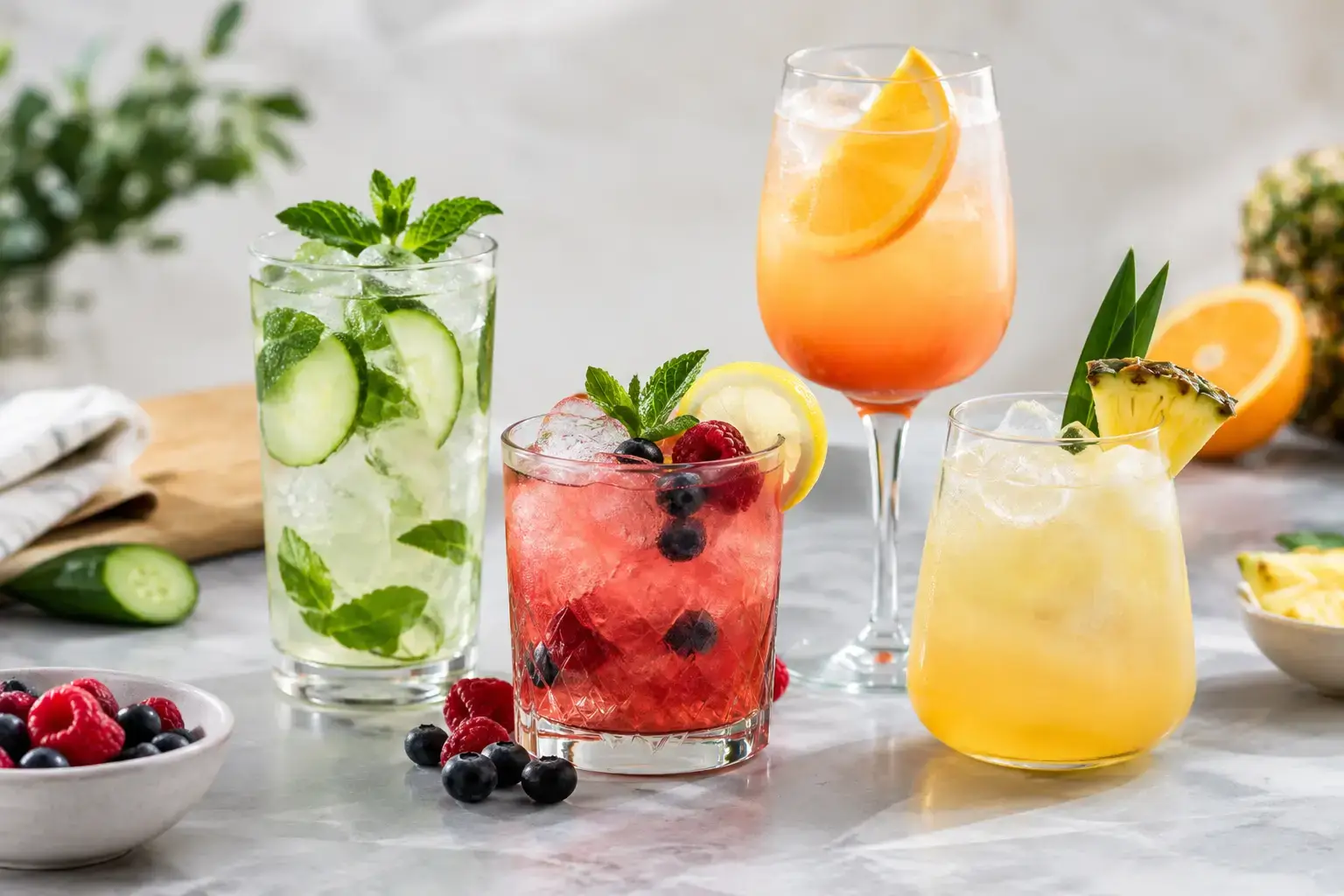
The zero-proof menu is no longer the sad corner reserved for sparkling water and a lime wedge. From spicy margarita-style sippers to canned botanical spritzes, mocktails are having a major moment. But are mocktails healthier than cocktails? Usually, yes, when the comparison is a standard alcoholic drink. That does not automatically make every bright pink, fruit-forward mocktail a nutrition superstar.
The difference comes down to what is in the glass: alcohol, sugar, portion size, and the kind of mixers doing the heavy lifting. A well-made mocktail can be a refreshing, flavorful alternative for a weeknight dinner, a baby shower, a Dry January reset, or simply the nights when you want to wake up feeling good. A syrup-heavy one can land closer to dessert in a coupe glass.
Are Mocktails Healthier Than Cocktails?
Removing alcohol is the clearest health advantage. Alcohol provides calories without much nutritional value, at about seven calories per gram, and cocktails can add up quickly when they also include liqueurs, juice, soda, cream, or sweeteners. Skipping the booze may lower the drink’s calories and eliminates alcohol-related effects such as impaired judgment, disrupted sleep, dehydration, and the next-day hangover.
That matters beyond the morning after. People may choose zero-proof drinks because they are driving, training for an event, taking medication, pregnant, cutting back on drinking, or just tired of planning their social life around a bar tab and a recovery day. A mocktail gives the occasion some sparkle without requiring alcohol to be part of it.
Still, healthier is not a one-size-fits-all label. A classic mojito-style mocktail loaded with simple syrup and ginger beer can contain as much added sugar as a regular soda, sometimes more. Meanwhile, a simple cocktail made with spirits, soda water, citrus, and little or no sweetener may have fewer calories than an oversized frozen mocktail.
The most accurate answer is this: mocktails are generally a healthier choice when they replace alcohol, but the recipe determines whether they are also lower in sugar and calories.
The Sneaky Ingredients That Change the Math
Mocktails can taste big and celebratory because bartenders use many of the same crowd-pleasing flavor builders found in cocktails: fruit juice, flavored syrups, sweetened purées, soda, tonic, coconut cream, and ginger beer. Delicious? Absolutely. Automatically light? Not necessarily.
Juice deserves a little context. Fresh citrus brings punch and is usually used in modest amounts, which is very different from a drink built around a large pour of pineapple juice, cranberry juice cocktail, or a sugary bottled blend. Fruit juice contains nutrients, but it can still concentrate natural sugars and contribute plenty of calories without the filling fiber of whole fruit.
Then there are the mixers. Regular tonic water and ginger beer are often sweetened. Pre-made mocktail bases can be convenient, but some are designed to mimic the indulgence of a cocktail, not to be a low-sugar choice. Even a drink marketed as natural, botanical, or made with real fruit can be high in added sugar.
Portion size is the other plot twist. A 10- or 12-ounce mocktail served in a dramatic glass may look lighter than a cocktail, but it can hold multiple servings of juice, soda, and syrup. The menu description tells a story, but it rarely tells you the nutrition facts.
What Makes a Better-For-You Mocktail?
The most satisfying lighter mocktails do not try to replace alcohol with a flood of sweetness. They create layers with tart citrus, herbs, tea, spices, bubbles, and a little texture. Think muddled mint and cucumber, grapefruit with rosemary, hibiscus tea with lemon, or a jalapeño-lime drink finished with sparkling water.
At home, start with a flavorful base such as chilled herbal tea, unsweetened iced tea, coconut water, or sparkling water. Add fresh lemon or lime, muddled berries, sliced cucumber, mint, basil, or a pinch of chili salt. If it needs sweetness, add a small amount of honey, agave, or simple syrup rather than pouring in several ounces. The goal is not to make a drink taste like punishment. It is to make it taste intentional.
When ordering out, you do not need to interrogate the bartender. A simple request works: ask for less syrup, soda water instead of a sweet mixer, or a fresh citrus-forward drink. If the menu offers a zero-proof old fashioned or a spirit-free aperitif-style drink, ask what it is sweetened with. Many restaurants now take their NA programs seriously, and the best bars are building drinks with as much care as their cocktail lists.
A Quick Look at Calories, Sugar, and Satisfaction
If your goal is to cut back on alcohol, a mocktail can be a smart swap even when it is not the lowest-calorie option on the menu. Health is not only a spreadsheet. Having a festive drink in hand can make it easier to participate in a celebration without feeling like you are settling for an afterthought.
If your goal is blood sugar management, weight management, or reducing added sugar, the details matter more. Choose drinks that lean on soda water, tea, citrus, herbs, and whole-fruit garnishes. Be more selective with frozen blends, lemonade-based drinks, sweet juices, and anything described as candy-like, creamy, or loaded with flavored syrup.
A useful rule of thumb: if a mocktail tastes like a soft drink with a fancy garnish, treat it like one. Enjoy it when you want it, but do not assume the zero-proof label makes it an everyday hydration habit. Water is still water, and a mocktail is still a treat for many occasions.
Are Canned Mocktails a Healthy Shortcut?
The canned mocktail aisle has exploded, and it is easy to see why. These drinks are portable, polished, and often more interesting than another flavored sparkling water. They are also a category where label reading pays off.
Some canned options are lightly sweetened and built around tea, citrus, and botanicals. Others have sugar levels that rival soda. Check the serving size first, then look at added sugars and calories. If you are choosing between two options, the one with less added sugar and a recognizable ingredient list may be the better everyday pick, but taste matters too. The drink you genuinely enjoy is more likely to replace the alcoholic beverage you were planning to have.
Also, watch the terminology. In the United States, some products labeled non-alcoholic can contain a small amount of alcohol, often up to 0.5% ABV, while alcohol-free products are generally made to contain no alcohol. For most adults, that distinction may not matter. For someone avoiding alcohol for medical, recovery, religious, or personal reasons, it can matter a lot. Read the can rather than assuming every zero-proof-looking product is identical.
The Social Side Is Part of the Wellness Story
One reason mocktails have become so craveable is that they solve a very real social problem: people want a drink that feels like part of the plan. A thoughtfully garnished spritz or smoky pineapple cooler gives you something to sip at dinner, bring to a party, or order at a bar without making sobriety or moderation the night’s main topic.
That is also why the best mocktails are not just alcohol-free copies of familiar classics. They have their own personality. A tart passion fruit fizz, a savory tomato-and-celery sipper, or a blackberry sage cooler can feel seasonal, special, and grown-up without pretending to be a martini.
The Bottom Line Before You Order
Mocktails can be healthier than alcoholic cocktails because they remove alcohol and may reduce calories, but they are not automatically low in sugar or light in calories. Think of them as a flexible lifestyle choice, not a magic health halo. Pick the one that fits the moment: a bubbly, citrusy low-sugar option for a casual Tuesday, or a lush frozen treat when the celebration calls for it. The best choice is the drink that feels delicious now and still feels good after the glass is empty.
Leave a Reply