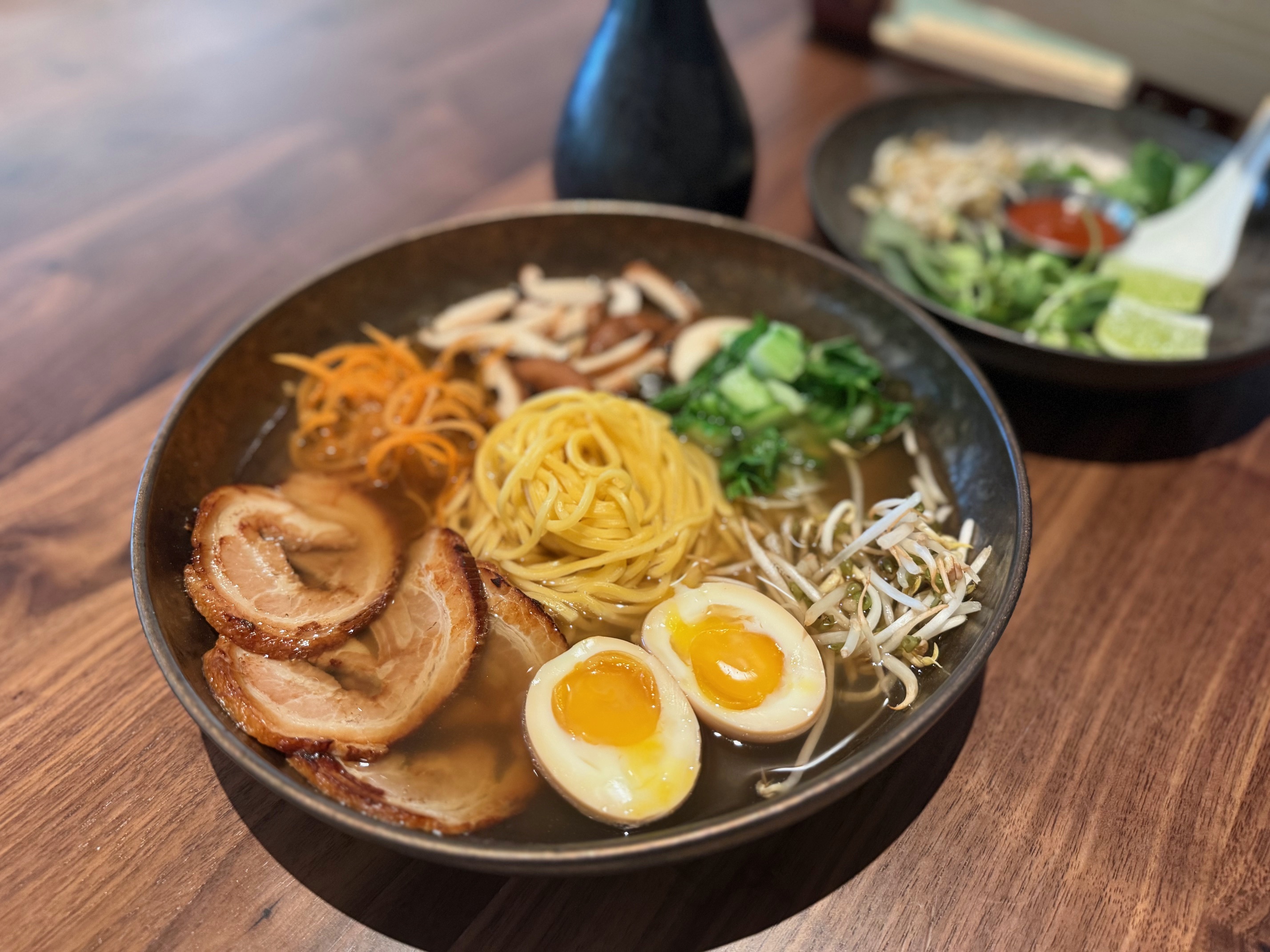
The reservation at the buzzy restaurant may look great on Instagram, but the dish you remember months later is often something far less polished: a paper tray of tacos outside a market, a warm bagel eaten on a neighborhood bench, or a regional soda you cannot find back home. That is the magic of food tourism. It gives a trip flavor, context, and a story worth retelling – without requiring a white-tablecloth budget.
For travelers who plan getaways around a new opening, a viral bakery, or the question, “What do locals order here?” food has become more than a convenient stop between attractions. It is the attraction. And right now, that makes perfect sense. Food is one of the easiest ways to feel connected to a place, whether you have a full week in New Orleans or one free afternoon in Chicago.
Why Food Tourism Feels Bigger Than Ever
Travelers are looking for experiences that feel personal, not copy-and-paste. A museum visit can be unforgettable, but so can learning why a city puts its own spin on pizza, barbecue, chili, noodles, or ice cream. Local food tells you what grows nearby, who moved there, what families cook for celebrations, and what a neighborhood craves after midnight.
Social media has made the appetite for discovery even louder. A towering sandwich, a nostalgic drive-thru menu, or a seasonal dessert drop can turn into a must-try overnight. But the best food trips are not about chasing every viral line. They are about using that excitement as a starting point, then leaving room for the small places that have not hit your feed yet.
There is also a practical reason food-focused travel works. Everyone has to eat, and meals naturally create breaks in a busy itinerary. Instead of treating food as an afterthought, a little planning turns breakfast, lunch, snack runs, and dinner into memorable parts of the day.
Build a Food-First Itinerary Without Overplanning
The sweet spot is having a few anchor meals and plenty of flexibility. Book the restaurant you would be genuinely disappointed to miss, especially if it is known for limited seating, a seasonal menu, or a hard-to-get weekend brunch. Then build the rest of the day around the area rather than zigzagging across town for every trending bite.
A good food itinerary has contrast. Pair one splashy reservation with a classic neighborhood favorite. Try a signature local dish, but also make room for the coffee shop, diner, bakery, market, or food hall that fits your actual mood. A city can be famous for one thing while quietly excelling at another. The best surprise might be a Korean corn dog in a college district, a Filipino breakfast counter, or a family-run bakery with a pastry case that sells out before noon.
Timing matters more than many travelers realize. Go early for bakeries, breakfast counters, and popular sandwich shops. Eat a late lunch to skip peak crowds. If dinner reservations are gone, consider a bar seat, a weekday visit, or a happy-hour menu. Those options can be easier on the wallet and still deliver the dish everyone is talking about.
It also helps to choose one food goal per day. Maybe Saturday is for a market crawl, Sunday is for a big brunch, and Monday is for a regional specialty before heading home. Trying to hit eight places in six hours can make a fun trip feel like a competitive sport. Save room for walking, wandering, and being hungry again later.
Let neighborhoods shape the menu
One of the easiest ways to eat better while traveling is to stop treating the city like one giant restaurant list. Neighborhoods have their own rhythms, prices, and specialties. Downtown may deliver the high-energy opening everyone is posting about, while a residential area offers the kind of relaxed lunch locals return to every week.
Choose a neighborhood, then give yourself permission to explore. Look for busy counters, handwritten specials, bakeries with regulars coming in for the same order, and markets with vendors who clearly know their customers. A packed room is not always a guarantee of greatness, but it is often a useful clue.
What Makes a Food Experience Worth the Detour
Not every famous food stop deserves an hour-long line, and that is okay. A worthwhile detour usually delivers at least one of three things: a dish that is hard to find elsewhere, a strong sense of place, or a genuinely fun experience. Sometimes it is all three.
Think of a waterfront crab shack, a classic roadside pie counter, a historic Italian market, or a chef-driven spot built around local produce. The food does not have to be fancy. It just needs to give you something you cannot recreate by ordering the same chain meal at home.
Price is part of the equation, too. A $20 lunch that becomes a trip highlight may be a better value than a $200 tasting menu that leaves you stressed about the final bill. Food tourism is not only for big spenders. It can be a convenience-store snack tour, a regional fast-food comparison, or a picnic assembled from a grocery store’s local favorites.
For families, this approach can be especially useful. Let one meal be the crowd-pleaser and one be the adventure. Kids may be thrilled by a themed dessert shop or a new-to-them soda flavor, while adults can add a more destination-worthy stop nearby. Everyone gets a win, and nobody has to pretend they are excited about a three-hour dinner.
Food Tourism That Respects the Place You Are Visiting
The most satisfying food travel comes with a little awareness. Popular spots can bring needed attention and money to local businesses, but sudden crowds can also make everyday neighborhood places harder for regular customers to enjoy. The answer is not to avoid beloved restaurants. It is to show up thoughtfully.
Be patient with small teams. Follow ordering rules, tip fairly, and do not treat staff like background characters in a video. Ask before filming in tight spaces, especially at markets or family-run counters. If a place is clearly overwhelmed, consider returning at a quieter time instead of adding pressure during the rush.
Spend beyond the one viral item when you can. Order a drink, add a side, buy something from the bakery case, or bring home a shelf-stable local product. Those small choices support the businesses that make a food scene exciting in the first place.
And be curious without being demanding. A regional dish may not taste like the version you know, because it is not supposed to. That is the point. Food traditions change from block to block, family to family, and generation to generation. The “best” version is often subjective, so enjoy the debate without acting as if one bite can settle it.
The Best Souvenirs Are Usually Edible
A food-focused trip does not end at the airport. A bag of local coffee, a jar of hot sauce, a spice blend, a box of candy, or a regional chip flavor can keep the vacation feeling alive long after unpacking. These are easy gifts, but they are also useful reminders of the meals and places that made the trip feel special.
Before buying, think about travel logistics. Shelf-stable items are simplest, while refrigerated goods may require a cooler bag or a quick check of airline rules. If you are driving, take advantage of the extra space. A farmers market haul or a bakery box can be the delicious reward for planning ahead.
The real appeal of food tourism is not checking off the most restaurants. It is coming home with a stronger sense of a place – and at least one bite you cannot stop talking about. On your next trip, leave a little space in the schedule, follow the scent of something good, and let the meal become the memory.

Leave a Reply