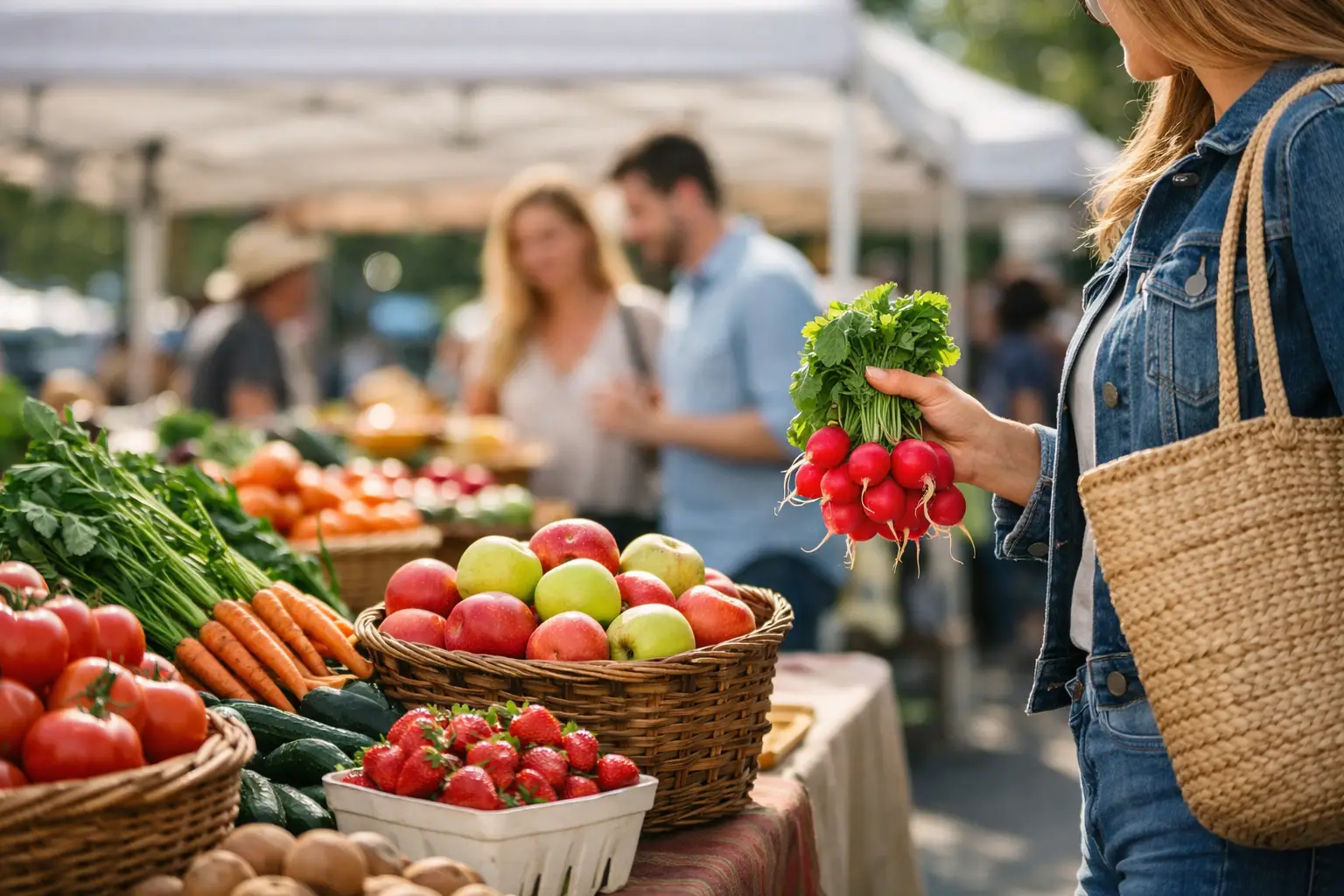
The best weekend farmers markets do more than sell a pretty basket of peaches. They turn an ordinary Saturday morning into a mini food adventure – complete with just-picked berries, warm pastries, a new hot sauce to obsess over, and the kind of lunch that makes grocery-store errands feel extremely unappealing.
For busy food lovers, parents, travelers, and anyone looking for a low-lift weekend plan, a great market is one of the easiest ways to try something fresh and local without committing to a reservation or a big spend. The trick is knowing what separates a quick row of produce stands from a genuinely craveable outing.
What Makes a Weekend Farmers Market Worth the Trip?
Size is not everything. Some of the most memorable markets are compact neighborhood gatherings where the farmer who grew your tomatoes can tell you exactly which variety is best for sandwiches. Others are destination-scale events with flowers, prepared food, live music, cookbook-worthy produce, and enough browsing potential to fill a whole morning.
The best ones usually have a mix of true local growers, specialty makers, and ready-to-eat options. Fresh eggs and leafy greens are excellent, but a market becomes a plan when it also has flaky croissants, cold brew, tamales, small-batch jam, and a vendor making something you have not seen on your usual grocery run.
Look for signs that the market has a strong point of view. Seasonal produce should be front and center, not an afterthought between resale goods. Vendors should be able to say where their ingredients come from. And there should be enough variety that everyone in your group can leave happy, whether they came for sourdough, flowers, breakfast, or a bag of peak-season cherries.
How to Find the Best Weekend Farmers Markets Near You
Start with your city, county, or neighborhood market calendar, then check social feeds for recent vendor announcements. Markets change quickly with the seasons. A beloved berry farm may appear only during spring and early summer, while apple growers, cider makers, and squash vendors take over later in the year.
The most useful clue is not always the number of booths. Look at the vendor roster. A market with regional farms, local bakeries, specialty beverage makers, and a few rotating food vendors often delivers a better experience than one packed with the same products every week.
Travelers should also check whether a market is near walkable restaurants, parks, museums, or a lively downtown area. That turns a food stop into a full outing. A Saturday market near a waterfront trail or historic main street can be the anchor for an easy day trip, especially when brunch lines are long and everyone wants something more spontaneous.
Use the season as your cheat code
The market that feels merely fine in February can become the place to be in July. Shopping seasonally is the easiest way to get the most flavor for your money, and it gives each visit a reason to feel new.
In spring, think tender greens, asparagus, peas, strawberries, and bunches of bright flowers. Summer is the big show: tomatoes, corn, stone fruit, melons, basil, berries, and all the ingredients for a very convincing patio lunch. Fall brings apples, pears, pumpkins, winter squash, mushrooms, and bakery cases full of cinnamon-forward treats. Even winter markets can be worth a stop for citrus, root vegetables, preserved goods, fresh bread, and holiday-ready gifts.
If a market seems underwhelming, it may simply be between major harvests. Go back in a few weeks. Timing matters.
Go Early, But Not Necessarily at Opening Bell
There is a real trade-off between arriving early and arriving hungry. The first hour is best for shoppers on a mission: popular pastries, eggs, berries, and limited produce can disappear fast. It is also the calmest time to chat with vendors before the crowd arrives.
But showing up 60 to 90 minutes after opening can be the sweet spot for a social visit. The coffee is flowing, food vendors are fully set up, and you can stroll without feeling like you need a strategic shopping cart. If you are going mainly for brunch-style bites and browsing, this is often the move.
Late arrivals can score occasional deals, particularly on delicate produce, but selection will be thinner. That works if you are flexible and enjoy the thrill of building dinner around whatever is left. It is less ideal if you promised your kids strawberries or have your heart set on a specific loaf of bread.
Build a Better Market Haul
A little restraint goes a long way. It is easy to buy every gorgeous thing in sight, then discover your refrigerator is full of herbs, fruit, and ambitious vegetables by Sunday night. Shop with a loose plan: one thing for now, one thing for dinner, and one thing that will make the week feel more delicious.
For example, pick up a breakfast treat to enjoy at the market, a protein or produce centerpiece for a simple meal, and a pantry item such as salsa, honey, olive oil, or spice blend that gives you an easy flavor upgrade later. That approach keeps the outing fun without turning it into a pricey impulse haul.
Bring a roomy tote, a small insulated bag if you are buying meat or cheese, and a payment backup. Many vendors take cards or tap-to-pay, but a few smaller stands may still prefer cash. Reusable produce bags are helpful, although vendors will rarely judge you for arriving empty-handed and leaving with a paper bag full of peaches.
Ask vendors the questions that actually help
The best market advice usually comes from the people behind the table. Ask what is at its peak, what will last longest at home, or how they like to cook an unfamiliar item. A farmer may steer you toward sweet snacking peppers instead of the more obvious tomatoes, while a mushroom vendor might give you the fast, high-heat sauté method that changes your dinner plans.
This is also how you find sleeper-hit products. Maybe the line is for the famous croissants, but the real win is the seasonal focaccia. Maybe the table with gorgeous heirloom tomatoes also sells a tomato jam that belongs on every grilled cheese. Markets reward curiosity.
Make It an Outing, Not Another Errand
The best weekend farmers markets work especially well when you give them a little breathing room. Meet a friend for coffee, let the kids choose one new fruit, bring your dog if the market allows it, or plan a picnic with what you buy. A warm loaf of bread, local cheese, ripe fruit, and something sparkling to drink can beat an overcomplicated restaurant plan on a sunny day.
For a date, skip the pressure of a formal brunch and make a market challenge out of it: each person picks one ingredient, then you cook with the combined haul that night. For families, a small shopping budget can turn the visit into a fun decision-making exercise rather than a chorus of requests for every cookie in sight.
Markets are also one of the smartest ways to get a feel for a new neighborhood while traveling. You will see what locals are buying, which vendors have devoted followings, and what ingredients define the area. That is food culture in real time – casual, delicious, and far more memorable than another generic meal.
A Few Etiquette Moves That Keep Things Fun
Markets can get crowded, especially during peak summer weekends. Keep your tote close, step aside before stopping to compare purchases, and avoid blocking a stand while you take photos. Most vendors are happy to answer questions, but save lengthy conversations for quieter moments when there is a line behind you.
It is also worth remembering that farmers market prices can be higher than supermarket prices, particularly for labor-intensive produce, pasture-raised meats, or handcrafted goods. That does not mean every item is automatically a bargain. Buy what fits your budget, focus on what is truly in season, and treat the premium finds as part of the experience rather than an all-or-nothing shopping list.
Next weekend, skip the same old drive-thru coffee routine. Find a market, arrive with an empty tote and a little curiosity, and let one perfectly ripe, wildly juicy thing decide the rest of your day.



Leave a Reply