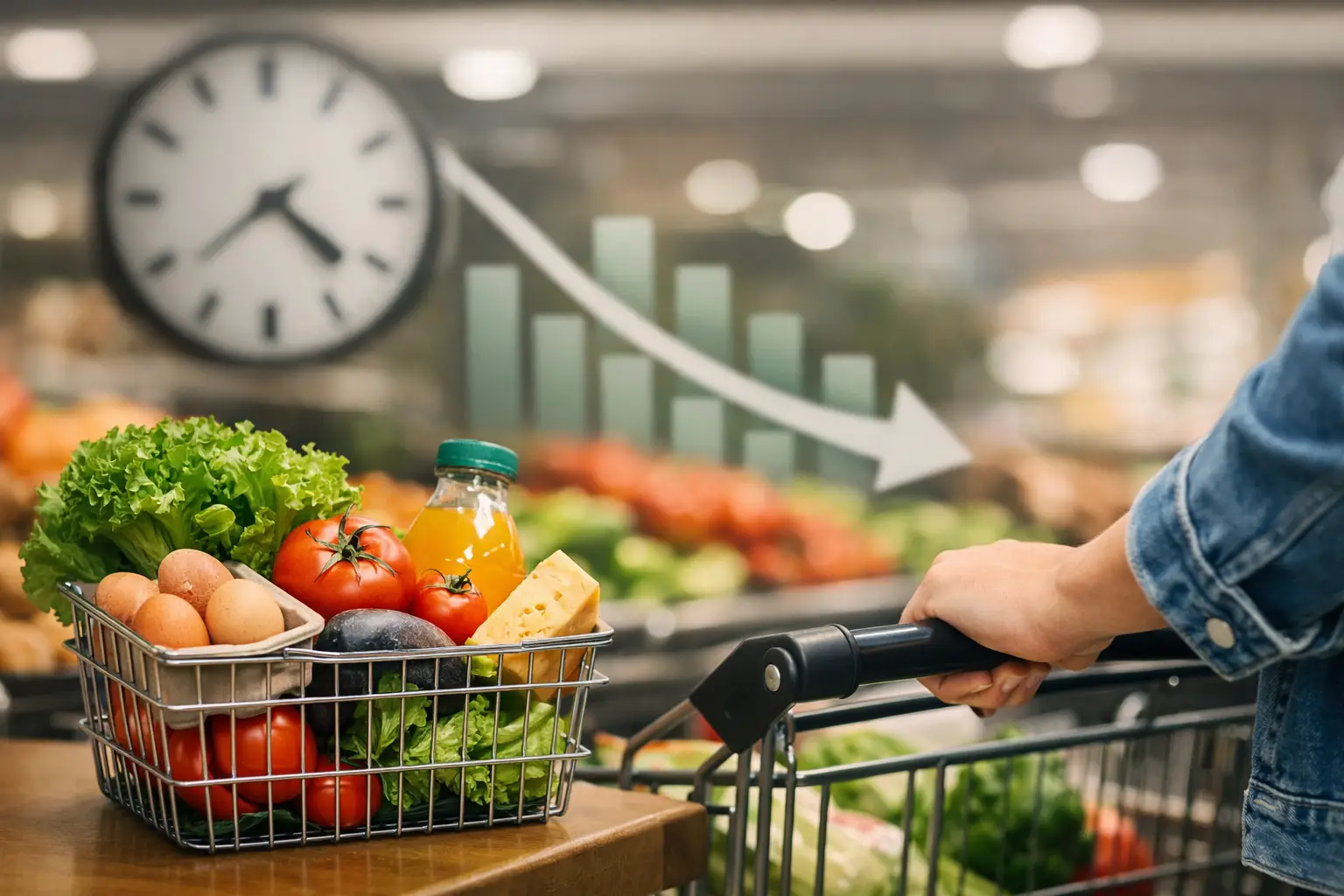
The best answer to when do grocery prices drop is not one magic day. It is a rhythm: weekly ads reset, holiday displays get cleared out, produce hits peak season, and stores make room for the next big thing. Once you recognize those patterns, your regular grocery run can feel a lot less painful – without turning every trip into an extreme-couponing project.
When Do Grocery Prices Drop During the Week?
For many US grocery stores, new weekly sales begin on Wednesday. That is often when fresh digital coupons appear, ad prices switch over, and the next round of buy-one-get-one offers hits the shelves. Other chains start promotions on Sunday, so the exact reset depends on your local store.
Wednesday can be a particularly sweet spot because you may catch overlap. Some retailers honor the prior week’s ad through Tuesday or into Wednesday, while the new promotion is already live. Check your store’s app before heading out. A few minutes of browsing can reveal whether a pantry staple, produce favorite, or dinner shortcut is suddenly worth stocking up on.
Shopping late in the week can also bring markdowns on bakery items, prepared foods, meat, and dairy nearing their sell-by dates. These deals vary wildly by store and location, and they are best for food you plan to cook, freeze, or eat quickly. A marked-down rotisserie chicken is a weeknight win. A cart full of food you cannot realistically use is not.
The best time of day for markdowns
Early morning is often best for selection, especially for clearance meat, bakery goods, and produce. Evening can be better for prepared-food markdowns, since stores would rather sell ready-made meals than discard them at closing. The trade-off is simple: later shoppers may find a bigger discount, but fewer choices.
Seasonal Grocery Sales Are Where the Big Savings Happen
Grocery prices often drop when supply is plentiful or when retailers are building a holiday meal around one attention-grabbing deal. Think of these promotions as the grocery-store version of a limited-time drop: they are designed to get you in the door, and the best ones can be genuinely excellent.
Produce is usually most affordable when it is in season and abundant. Summer is prime time for berries, corn, zucchini, tomatoes, peaches, and watermelon. Fall brings deals on apples, squash, sweet potatoes, and cranberries. Citrus tends to shine in winter, while spring is a great time to watch for asparagus, leafy greens, peas, and strawberries.
That does not mean every in-season item will be cheap at every store. Weather, shipping costs, regional growing seasons, and demand can all change the price tag. Still, building meals around what is featured at the front of the produce department is a smart, flavorful starting point.
Holiday weeks are another major opportunity. The key is knowing which foods are being used as the headline act.
- Before Thanksgiving, turkey, stuffing mixes, canned pumpkin, potatoes, butter, and baking staples frequently go on sale.
- Around Christmas and Easter, look for ham, roasts, baking ingredients, chocolates, and entertaining-ready appetizers.
- Before the Fourth of July, Memorial Day, and Labor Day, burgers, hot dogs, chicken, corn, watermelon, chips, soda, and grilling sauces often get promotional prices.
- Near the Super Bowl, snack foods, dips, wings, pizza, beer, and soft drinks are common deal territory.
The best play is to buy shelf-stable favorites when the sale is strong and the expiration date gives you plenty of runway. For perishables, shop for the meal you actually plan to make. A freezer packed with sale-priced hamburger can be useful; a freezer packed with mystery purchases is just clutter with frostbite.
When Grocery Prices Drop After a Holiday
The days immediately after a holiday can be an underrated moment for fun finds. Seasonal candy, decorated cookies, themed snacks, giftable food tins, and party supplies are often marked down as stores clear space for the next event. Halloween candy may tumble in price on November 1. Red-and-pink Valentine’s treats often get discounted on February 15. Easter candy and baking kits can be a post-holiday steal, too.
These markdowns are great for households with kids, office snack drawers, or anyone who does not care whether their peanut butter cups are wrapped in orange foil. But do not assume every holiday item is a bargain. Compare the unit price, especially on novelty packaging, and check freshness dates on dairy-heavy or bakery items.
Seasonal clearance is also a clever time to buy pantry-friendly ingredients for later. Canned pumpkin after Thanksgiving, holiday baking chips after Christmas, and grilling condiments after summer can all earn a spot in the cupboard if you will use them before they expire.
Why Prices Do Not Drop the Same Way Everywhere
A national sale calendar is useful, but your ZIP code still matters. Prices can differ based on local competition, distribution costs, store format, and what shoppers in your area buy most. A high-traffic urban store may mark down prepared meals differently than a suburban supermarket with a large family-shopping crowd.
Store brands and loyalty programs matter, too. Many chains now reserve their most eye-catching prices for members who scan an app or enter a phone number at checkout. That can make a $4 item $2.49, but it also means the shelf tag may not tell the full story. Before you build a meal plan around a deal, confirm whether there is a digital coupon to clip or a purchase limit to meet.
Warehouse clubs can offer compelling unit prices, especially for paper goods, snacks, meat, and frozen foods. Yet the lowest price per ounce is only a true bargain if your household can store and use the quantity. For a two-person household, a sale at a standard grocery store can beat a giant package that goes stale in the pantry.
A More Relaxed Way to Shop the Sale Cycle
You do not need to chase every promotion. A simple routine works better: check the weekly ad, choose two or three sale ingredients you genuinely enjoy, then build meals around them. If chicken thighs are featured, think sheet-pan dinners, tacos, grain bowls, or a bright chopped salad. If strawberries are on sale, add them to breakfast, dessert, and lunchboxes before the carton disappears.
Keep a short mental list of items your household buys constantly, such as coffee, pasta, yogurt, eggs, cereal, frozen vegetables, and sparkling water. When one of those staples reaches a price that feels meaningfully lower than usual, buy a reasonable extra. That is where savings add up without requiring a stockpile worthy of a reality show.
It also helps to separate a sale from a deal. A bright tag does not automatically mean a lower final cost. Compare sizes, read the fine print on multi-buy promotions, and look at the unit price when brands come in wildly different package formats. “Buy five, save five” can be fantastic if you need five qualifying products. If not, it is just a very persuasive sign.
Quick Questions Shoppers Ask
Do groceries get cheaper at night?
Sometimes, particularly ready-to-eat foods, bakery items, and products close to their sell-by date. Nighttime shopping is less reliable for broad storewide sales, which usually follow the weekly ad schedule instead.
Is it cheaper to shop on Wednesday or Sunday?
Wednesday may offer the best chance to see a new ad cycle and possible overlap with the prior week’s promotions. Sunday works well at stores that start their ads then, but it can also be busier and more picked over.
Will grocery prices go down if I wait?
For seasonal goods and holiday merchandise, waiting can pay off. For everyday necessities, it is less predictable. If a staple is on a genuinely strong sale and you know you will use it, buying it now is often safer than hoping for a better price later.
The most satisfying grocery haul is not the one with the most sale stickers. It is the one that turns this week’s best prices into easy, craveable meals you are excited to eat.


Leave a Reply