
The first cool morning of fall can make an iced coffee fan suddenly want pumpkin spice. A December grocery run can turn peppermint bark into a nonnegotiable. So, why are seasonal flavors popular when many of these same ingredients are available year-round? Because a great seasonal drop is never just about taste. It is a tiny, delicious signal that a new moment has arrived.
For shoppers, seasonal flavors make the calendar feel more fun. For restaurants, coffee chains, snack brands, and grocery stores, they create an easy reason to get people talking, posting, and placing an order before a favorite disappears. A cranberry sparkling drink or watermelon candy may be simple, but the feeling attached to it is bigger: this is what the season tastes like right now.
Why Are Seasonal Flavors Popular? They Make Time Tasteable
Food has always helped mark occasions. Birthday cake, Thanksgiving stuffing, barbecue on a long weekend, and hot cocoa after a day outside all carry emotional weight because they are tied to repeated experiences. Seasonal flavors work the same way, even when they arrive in a drive-thru cup or a limited-edition bag of chips.
Pumpkin spice is the obvious example. Its blend of cinnamon, nutmeg, clove, and ginger is not exclusive to fall, but it has become shorthand for sweaters, football weekends, apple orchards, Halloween decorations, and the first break from summer heat. Peppermint takes on a similar role in winter, while lemon, berry, peach, and watermelon flavors feel instantly at home when the weather gets warm.
That connection is powerful because it requires almost no explanation. Consumers see the flavor, remember the mood, and know exactly why it is showing up now. It is a fast form of lifestyle storytelling, packaged in a latte, cookie, cereal, candle, or cocktail mixer.
Nostalgia gives familiar flavors an edge
Seasonal releases often win because they feel familiar rather than risky. The flavor may be new to a product category – think gingerbread protein shakes or candy-cane popcorn – but the central taste is already recognizable. That lowers the stakes for someone deciding whether to try it.
Nostalgia can be personal, too. Maybe eggnog reminds someone of holiday parties at a relative’s house. Maybe strawberry shortcake brings back summer cookouts, or caramel apple signals the beginning of school-year routines. These memories do not need to be dramatic to work. Even a small association can make a product feel more comforting and more worth adding to the cart.
Limited-Time Availability Creates Real Urgency
Seasonal flavors are popular partly because they are not supposed to last. When a brand says a flavor is here for a limited time, it turns an ordinary purchase into a now-or-never decision. No one needs a peppermint mocha in July, but that is exactly why it feels more special when it appears for a few weeks in late fall.
This is the sweet spot between scarcity and accessibility. A seasonal item is usually easy to find at a local store, restaurant, or coffee shop, unlike an ultra-rare collectible. Still, its short runway gives fans a reason to act. They may grab one for themselves, tell a friend, or make a quick video before the item vanishes from menus and shelves.
The trade-off is real: if a product disappears too quickly, customers can feel frustrated. If it stays around too long, it stops feeling like an event. The strongest seasonal launches keep the window long enough for repeat purchases but short enough to preserve that craveable anticipation.
Newness makes everyday routines more exciting
Most people have reliable food and drink habits. The same breakfast, the same afternoon coffee, the same grocery list. Seasonal flavors offer a low-effort way to change the routine without asking shoppers to take a major culinary leap.
Trying a maple cold brew instead of a regular one feels fresh but still familiar. Picking up a key lime snack mix for a beach weekend adds a little personality to a standard errand. That sense of novelty matters, especially for busy consumers who want a fun treat without spending an hour researching what is new.
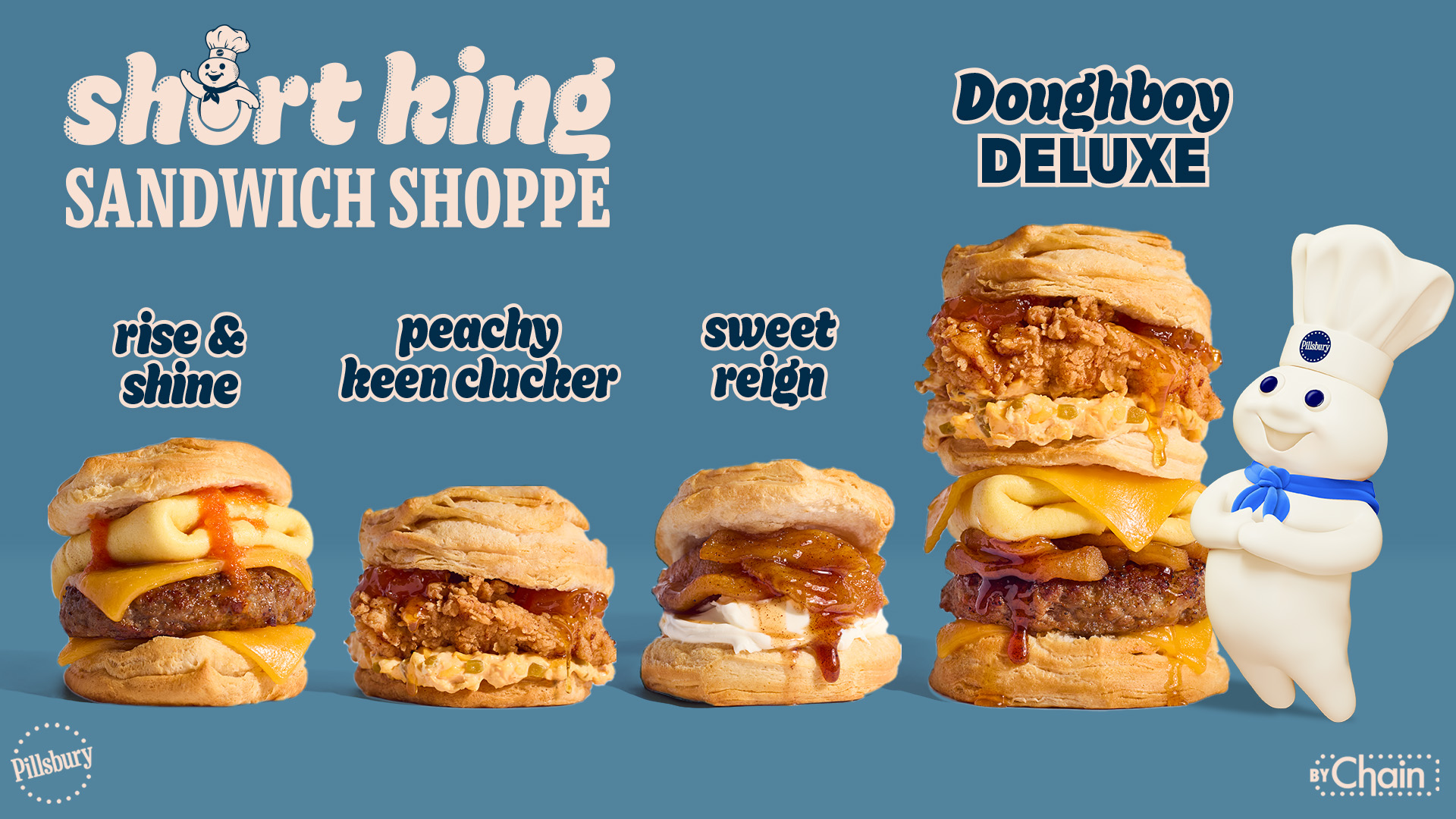
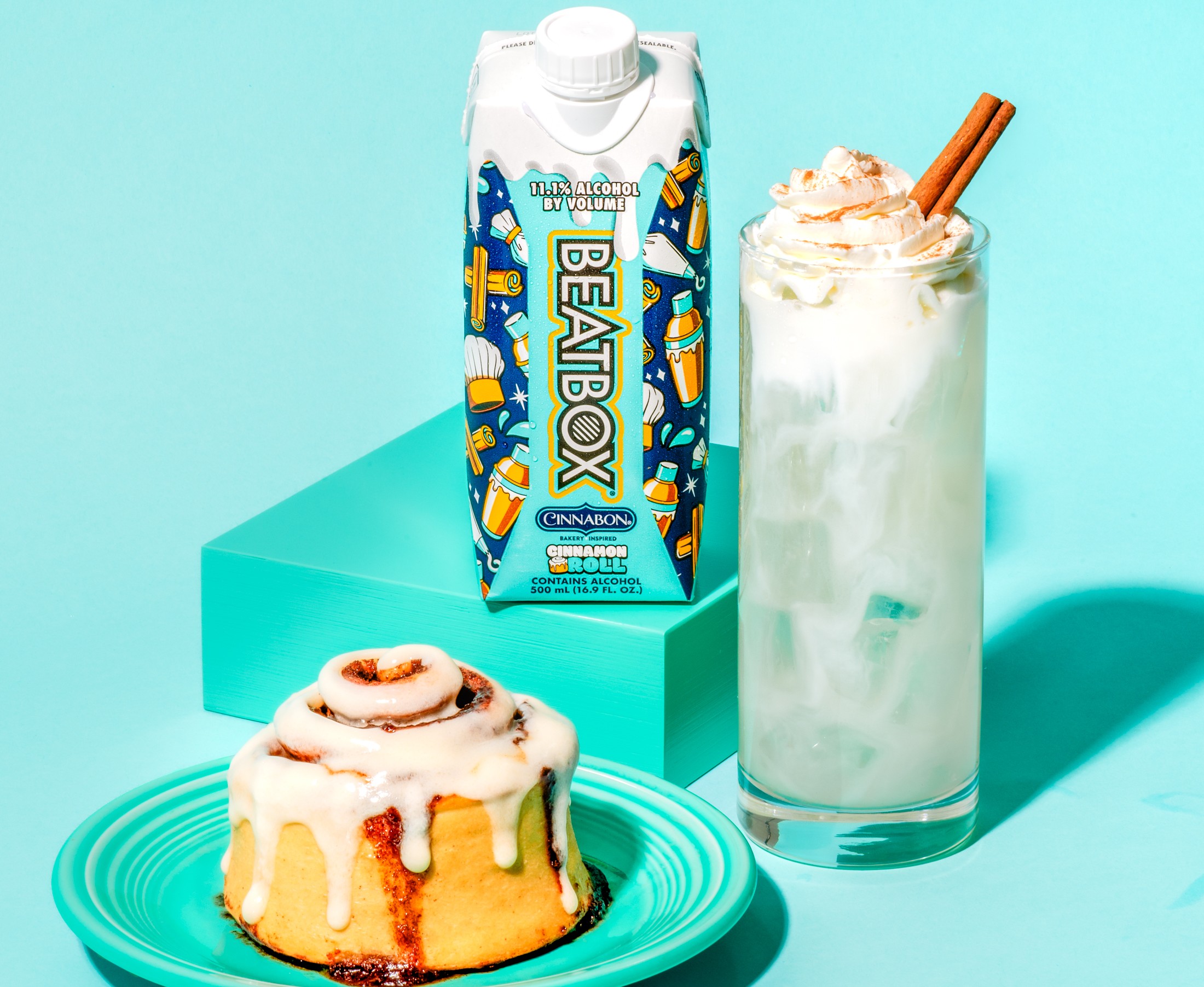
Brands understand this. A seasonal flavor can refresh an existing product line without requiring people to learn an entirely new product. The format is known; the flavor is the surprise. It is one reason seasonal drops show up everywhere from fast food and frozen treats to soda, yogurt, cereal, and pet snacks.
The Best Seasonal Flavors Match the Mood
A flavor does not become seasonal just because a brand labels it that way. The most successful ones reflect how people want to feel during that part of the year.
Fall favors warm spices, baked notes, apples, maple, and caramel because people are shifting toward cozy routines and indoor gatherings. Winter leans festive and indulgent with peppermint, gingerbread, chocolate, sugar cookie, and eggnog. Spring makes room for bright citrus, floral notes, and berry flavors that feel lighter after a long cold stretch. Summer brings juicy fruit, lemonade, coconut, tropical blends, and anything that suggests a pool day or vacation.
That emotional fit is why some flavors return year after year while others feel like a one-season experiment. A product can be inventive, but it still needs to make sense in context. A smoky campfire s’mores flavor may land beautifully in late summer or fall. A heavy spiced flavor might have a harder time competing with refreshing fruit when temperatures are pushing 90 degrees.
Social Media Turns Flavor Drops Into Tiny Events
Seasonal food has become highly visual. Bright pink Valentine’s Day treats, green minty March desserts, orange Halloween drinks, and red-and-white holiday packaging are made for a camera roll. A product does not need to be life-changing to be shareable. It just needs to be recognizable, timely, and fun enough to spark a reaction.
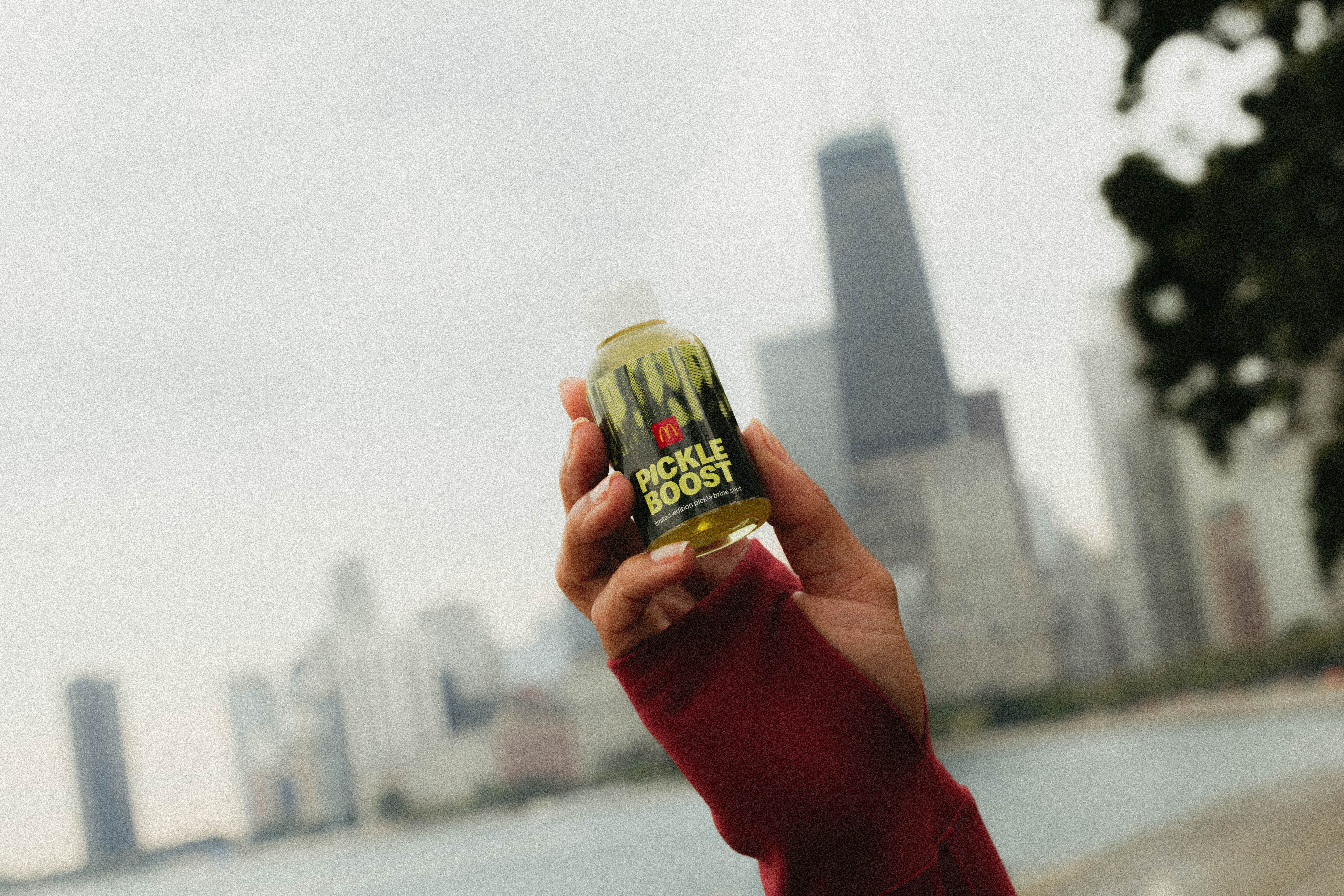
That is why pop-culture tie-ins and seasonal flavors work so well together. A familiar taste gives consumers an instant reference point, while a character, movie, sports moment, or holiday packaging treatment gives them something new to talk about. The item becomes a small piece of the larger seasonal conversation.
Social buzz can also create a feedback loop. People see a new drink or snack online, become curious, try it, and then add their own opinion to the stream. Some products get attention because they are genuinely delicious. Others become must-tries because everyone wants to know whether the hype is deserved. Either way, the limited window keeps the conversation moving.
Seasonal Flavor Fatigue Is Real
Not every seasonal release needs to be pumpkin spice, and not every product needs a holiday version. When brands force a flavor into too many categories, the novelty can wear thin fast. Consumers are savvy enough to recognize when a launch feels thoughtful versus when it feels like a calendar-driven packaging swap.
There is also room for regional and evolving tastes. Apple cider may feel essential in one market, while ube, tamarind, mango chile, horchata, or tropical fruit blends may connect more strongly with other communities and occasions. The best brands pay attention to who their customers are, not just what worked five years ago.
A successful seasonal flavor should earn its place. It needs a clear mood, a good flavor match, and enough personality to stand out in a crowded aisle. Sometimes the classic choice wins. Sometimes the surprise hit is a bold twist that gives people a new annual tradition.
The next time a favorite flavor returns, enjoy the small ritual. Order the drink, bring the snack to the gathering, or grab an extra box for later. Seasonal flavors are popular because they make ordinary days feel briefly connected to something bigger – a holiday, a memory, a change in weather, or simply the joy of trying what everyone is talking about.
Leave a Reply