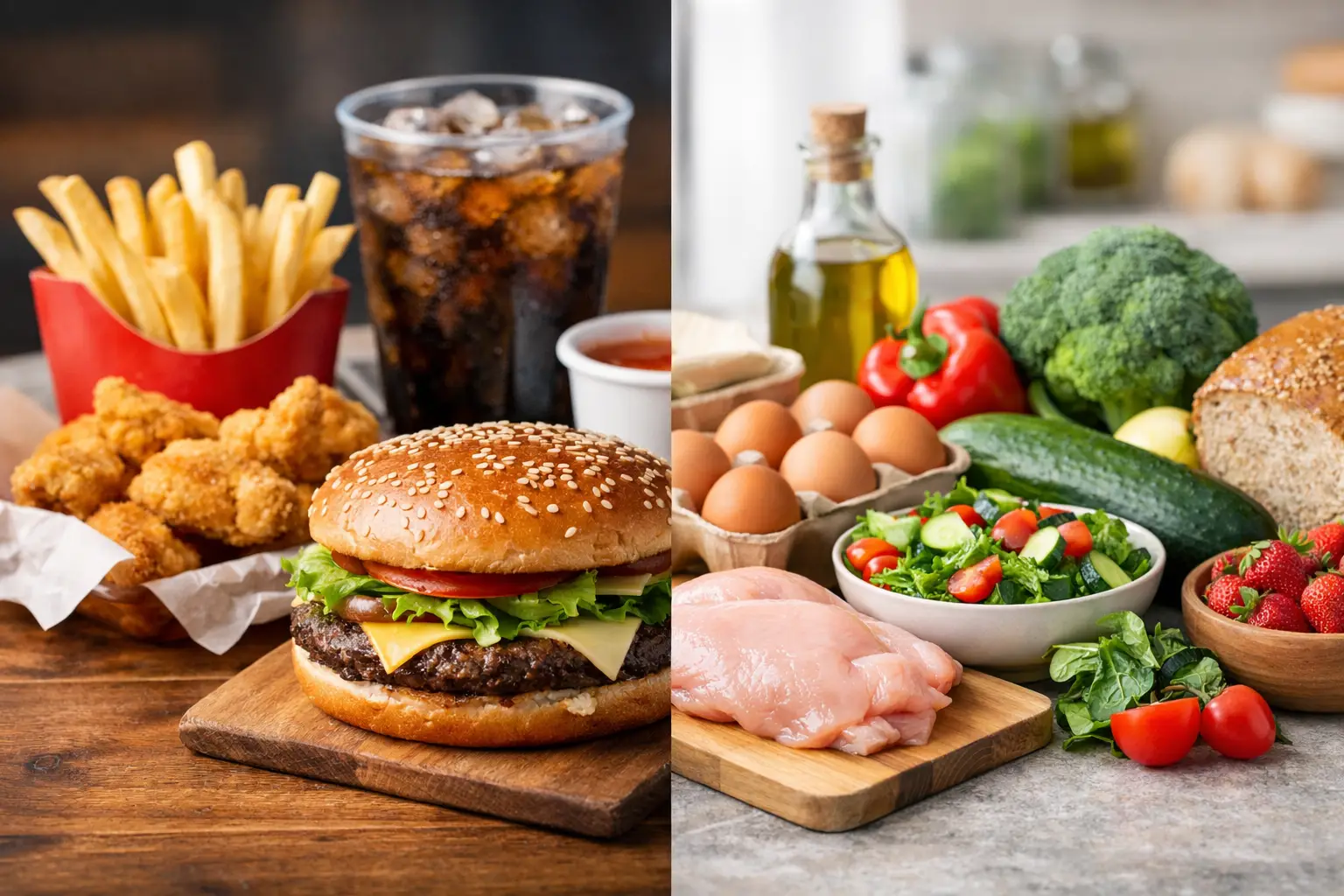
That $5 combo can feel like a win until you’re back in the kitchen two hours later looking for a snack. Fast food deals versus grocery meals is one of those everyday budget battles that sounds simple, but gets messy fast once time, cravings, leftovers, and family schedules enter the chat.
For a lot of Americans, this is not really a question of burgers versus broccoli. It is about what feels easiest after a long workday, what your kids will actually eat, and what helps you stretch a paycheck without making life harder. The truth is that both options can be smart. Also, both can quietly drain your budget if you are not paying attention.
Why fast food deals versus grocery meals feels so close right now
Fast food chains have gotten very aggressive with value menus, app-only promos, meal bundles, and limited-time offers. If you open a few restaurant apps, it can look like dinner has never been cheaper. A discounted sandwich, fries, and drink feels immediate, satisfying, and weirdly hard to beat.
At the same time, grocery prices have stayed high enough to give shoppers sticker shock in the center aisles and the produce section. When ground beef, eggs, snacks, and even basic pantry staples jump in price, grabbing takeout on a deal starts looking less like a splurge and more like a survival tactic.
That is where the comparison gets interesting. Fast food wins on convenience almost every time. Grocery meals usually win on volume and flexibility. The best choice depends on who you are feeding, how often you are buying, and whether that one cheap meal is replacing a bigger grocery run or just adding another expense to the week.
The real price of a fast food deal
A value meal can absolutely be the cheapest option in the moment. If you are feeding one person and using a coupon or app offer, fast food can come in lower than buying ingredients for a full dinner from scratch. It amplifies if the groceries you need include oils, spices, condiments, or side items that aren’t in the pantry.
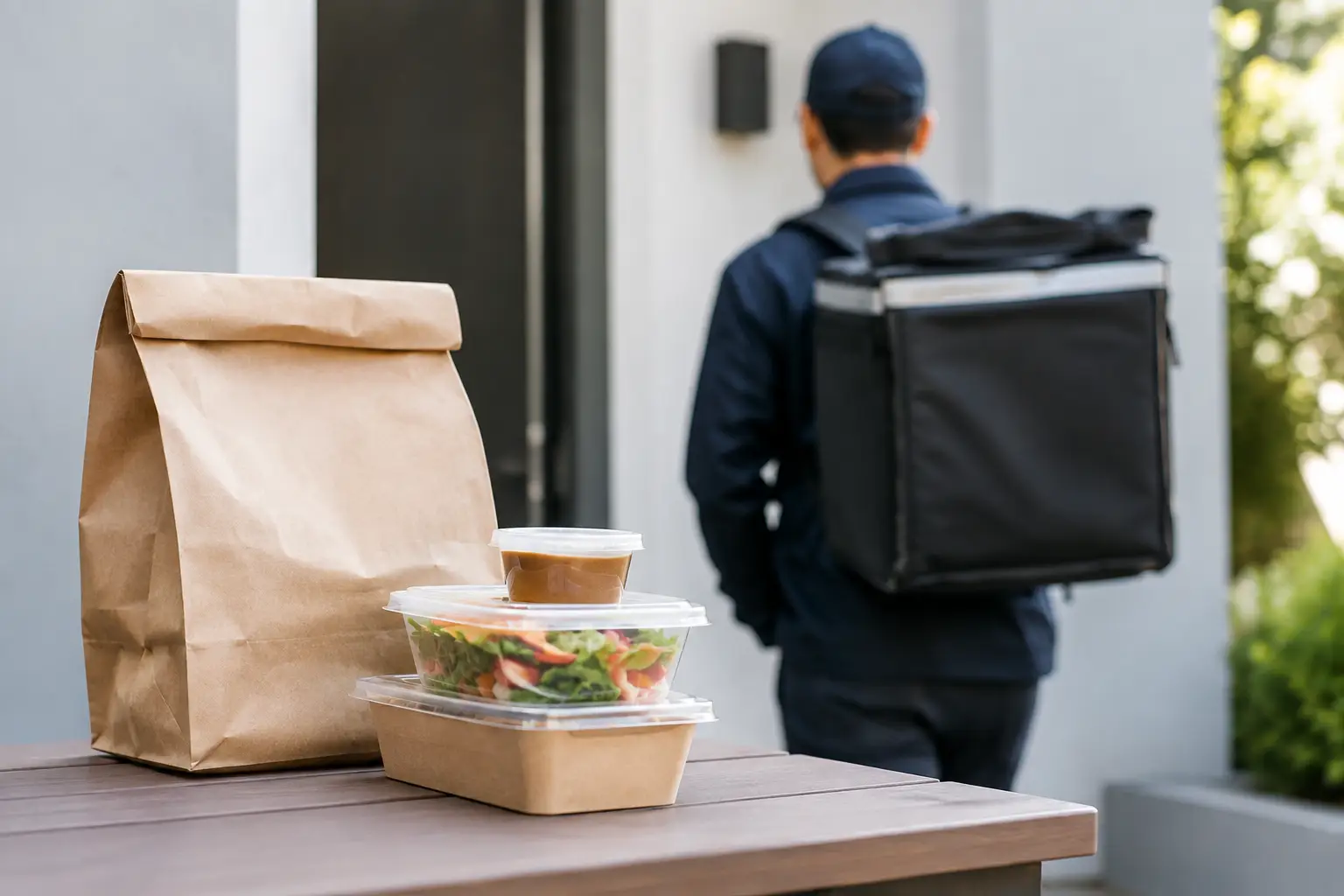
But the deal is not always the deal. Add delivery fees, impulse add-ons, extra sides for the kids, or a dessert because everyone is tired and saying yes feels easier, and the total climbs fast. A meal that looked like a budget hero on your phone can turn into a $25 to $40 order without much effort.
There is also the hidden issue of repeat spending. Fast food is often priced to feel easy enough to do again tomorrow. Grocery shopping hurts once at checkout, but those ingredients can cover multiple meals. A restaurant deal gives you speed. A cart of groceries, if you use it well, gives you runway.
Where grocery meals pull ahead
Grocery meals tend to win when you are feeding more than one person. A pot of pasta, taco bowls, breakfast-for-dinner, sheet pan chicken, grilled cheese with soup, or rice bowls can feed a household for less per serving than most restaurant orders, even with higher store prices.
The other big edge is leftovers. That matters more than people admit. One cooked dinner can become tomorrow’s lunch, a packed school meal, or a remix night with very little extra cost. Fast food rarely stretches the same way unless you are intentionally ordering family bundles.
Grocery meals also let you control quality in ways that matter to a lot of busy households. You can add more protein, sneak in vegetables, adjust portions, and avoid paying for drinks that blow up the bill. When budgets are tight, flexibility is a serious superpower.
Still, groceries are not automatically cheaper if food goes to waste. If you buy ingredients with good intentions and end up tossing produce, bread, or meat at the end of the week, the savings shrink fast. The cheapest grocery meal is usually the one built from ingredients you already know you will use.
Fast food deals versus grocery meals for different lifestyles
If you live alone, the gap is smaller than people think. Buying a full pack of chicken, a bag of salad, tortillas, shredded cheese, and sauces can cost more upfront than grabbing two app-deal meals across a few days. Singles often pay a waste tax at the grocery store because package sizes are built for households.
If you are feeding a family, grocery meals usually come out ahead. Even strong fast food deals get expensive when every person wants a combo, a substitution, or one extra item. Family meal bundles can help, but they still tend to be pricier than making tacos, pasta, chili, or sandwiches at home.
If your schedule is chaotic, convenience changes the equation. Parents shuttling between sports, commuters getting home late, and anyone juggling long shifts may be paying for time as much as food. In that case, a fast food deal can be worth it because it protects your evening from turning into a stress spiral.
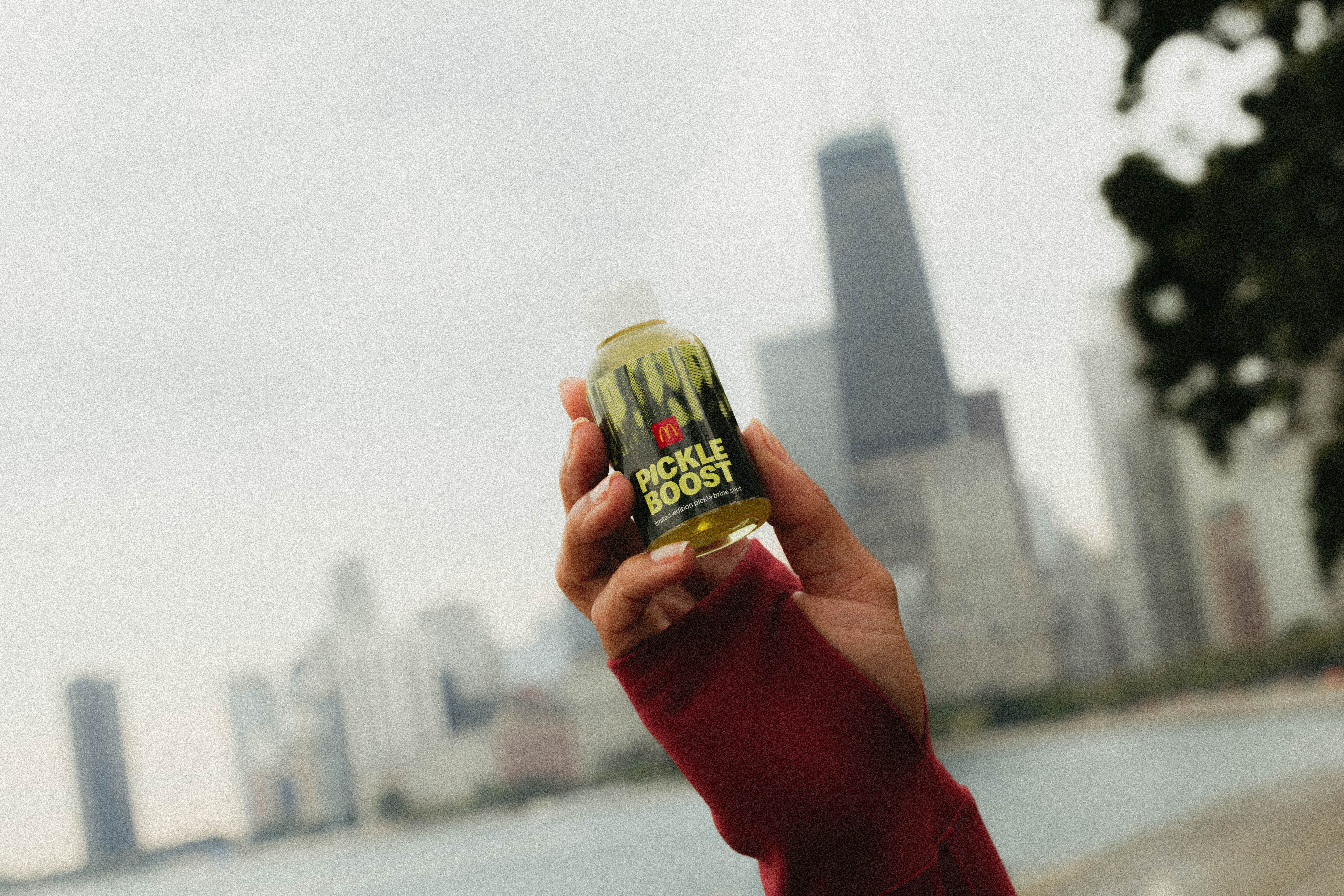
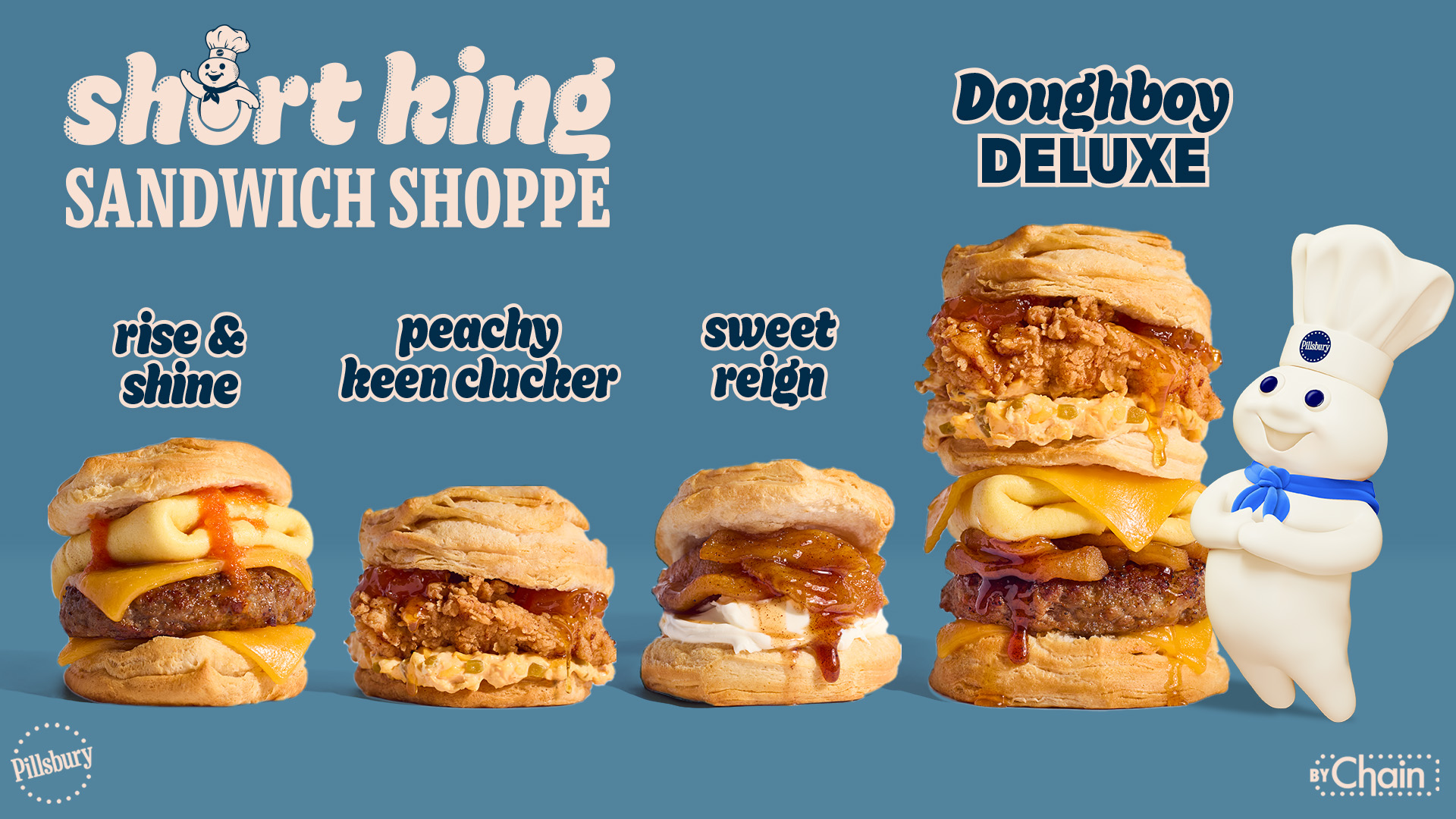
If you care most about variety and novelty, fast food has a cultural advantage. Limited-time sauces, celebrity meal tie-ins, seasonal menu drops, and buzzworthy collabs make eating out feel fun in a way pantry staples rarely do. That emotional value is real, even if it does not show up on a spreadsheet.
The middle ground that actually works
For most people, this is not an either-or choice. The smartest approach is usually a mix. Save fast food for the days when convenience matters most, and use groceries to cover the rest of the week with low-effort meals that do not feel like punishment.
Think less about cooking every night from scratch and more about building a realistic rotation. Rotisserie chicken, frozen pizza, bagged salad, pasta, soup, breakfast items, sandwich fixings, and snacky dinner ingredients can make grocery meals feel almost as easy as takeout. Not glamorous, but very effective.
This is also where semi-homemade starts to shine. A grocery store deli meal, frozen entree upgrades, or pre-marinated proteins can land in the sweet spot between effort and savings. You may spend a little more than on raw ingredients, but still less than a full fast food run for multiple people.
How to tell which option is actually worth it
The easiest test is cost per meal, not cost per transaction. A $20 grocery run that makes four meals beats a $9 combo that feeds one time, even if the combo feels cheaper at checkout. Looking at the full week changes the story.
It also helps to track what always gets used in your house. If tortillas, eggs, rice, pasta, shredded cheese, frozen veggies, and chicken tend to disappear, those are your budget anchors. Build around foods with a proven track record, not aspirational ingredients bought during a healthy phase on Sunday.
For fast food, the key is to treat deals like tools, not entertainment. Use the offers that genuinely lower your total, skip delivery when possible, and avoid adding items just because they are there. The deal should solve dinner, not create a new spending habit.
So which one wins?
If your goal is the lowest cost over time, grocery meals usually come out ahead. They feed more people, create leftovers, and stretch ingredients across several days. That is the practical answer.
If your goal is speed, predictability, and getting through a packed day with minimal friction, fast food deals can be the better value. Money is not the only limited resource people are managing. Energy counts too.
And if we are being honest, some weeks the best budget move is the one you will actually stick with. A fridge full of untouched groceries is not virtuous. A well-timed drive-thru run is not failure. The sweet spot is knowing when convenience is worth paying for and when your kitchen can deliver more for less.
The next time dinner feels like a showdown, skip the guilt and ask a better question: what gives you the most value tonight, and what keeps the rest of the week from getting more expensive?

Leave a Reply