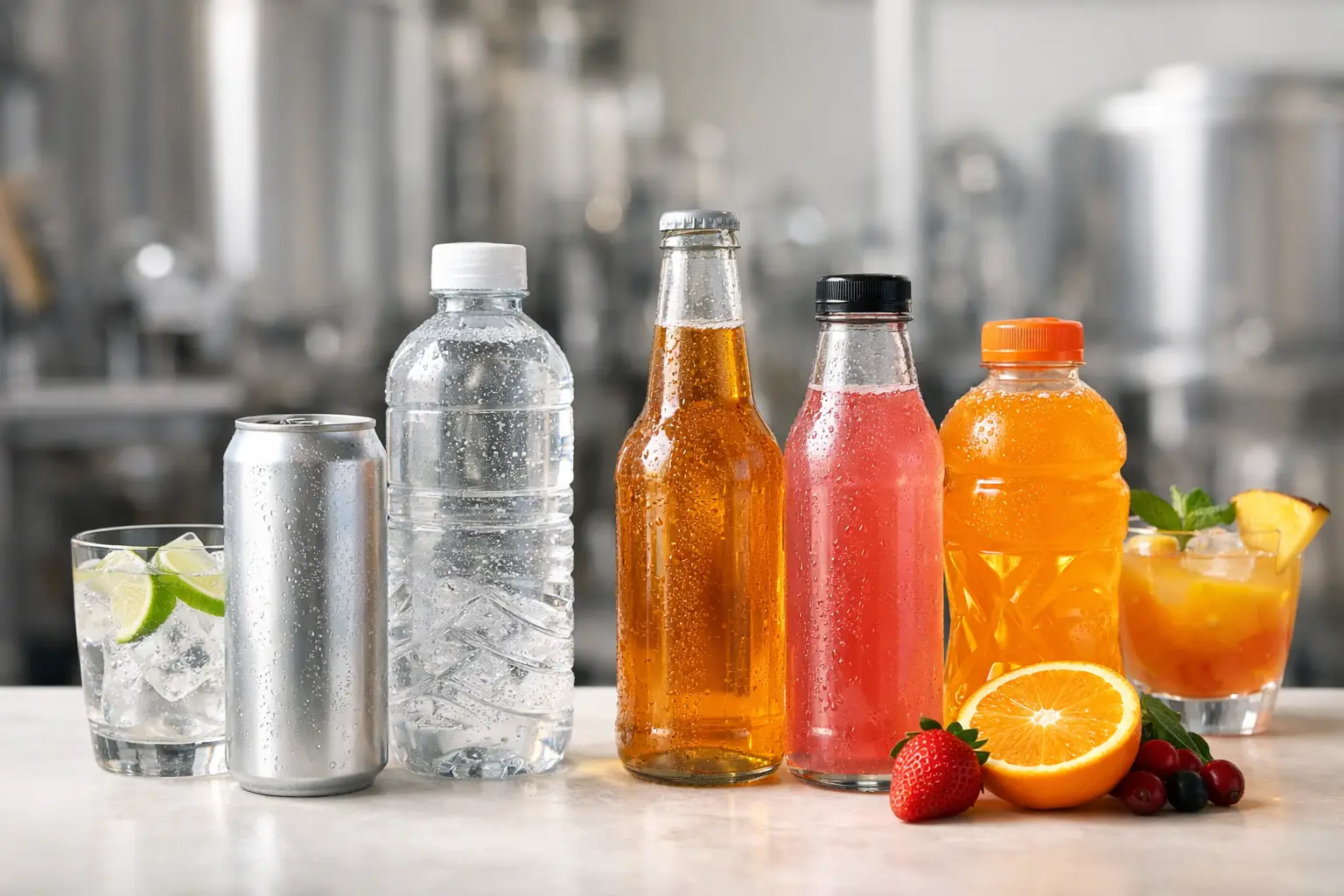
A new drink can go from quiet shelf debut to group-chat obsession in a matter of days. That is exactly why a smart guide to new beverage launches matters right now. Consumers are not just buying based on thirst anymore – they are buying based on flavor curiosity, seasonal mood, packaging appeal, and whether a release feels fun enough to try before it disappears.
Beverage launches now sit at the center of food culture. A limited-edition latte, a functional soda, a celebrity-backed canned cocktail, or a nostalgic flavor remix can all tap into the same thing: the thrill of trying something new before everyone else does. For readers who like to stay current without reading trade reports, the real question is simple – which launches actually feel worth the buzz?
What makes new beverage launches click
The best new drinks usually hit more than one trend at once. Flavor still leads, of course, but flavor alone rarely carries a launch anymore. Brands that get attention tend to pair taste with timing, visual identity, and a story consumers can repeat in one sentence.
That story might be seasonal. Think bright citrus in spring, playful tropical blends in summer, cozy spice notes in fall, or peppermint-chocolate everything once winter rolls in. It might also be tied to nostalgia, with soda brands reviving retro flavors or coffee chains leaning into dessert-inspired profiles that feel familiar and fresh at the same time.
Then there is function. Energy, hydration, adaptogens, probiotics, high protein, low sugar, clean caffeine – these signals matter, especially for shoppers who want a beverage to do something beyond taste good. But there is a trade-off here. The more functional the promise, the more the actual flavor experience needs to hold up. Consumers might try a wellness drink once for the benefit, but they come back for taste.
A practical guide to new beverage launches in 2026
If you want to spot a beverage launch with real staying power, start by looking at where it fits in everyday life. Is it a grab-and-go energy boost for busy mornings? A better-for-you afternoon soda swap? A limited-time coffee that turns into a social post? The strongest launches are usually easy to understand and easy to imagine buying.
Convenience is a huge part of the appeal. Ready-to-drink coffee, canned mocktails, sparkling waters with mood-forward branding, and single-serve protein beverages all work because they match how people actually shop. Consumers are not always looking for a totally new category. Often, they want a familiar format with a more exciting flavor, a cleaner label, or a more on-trend personality.
Price matters too, and this is where some launches lose momentum. A premium beverage can absolutely win if the ingredients, branding, and experience feel elevated. But when pricing jumps too far ahead of perceived value, curiosity drops off fast. A drink can be photogenic and still feel like a pass if shoppers think it belongs more in a marketing campaign than in their weekly routine.
Flavor trends driving attention
Fruit-forward profiles continue to dominate, but the tone has shifted. Standard berry and citrus still work, yet shoppers increasingly notice layered flavors that sound a little more unexpected. Think blood orange with spice, cherry with vanilla, yuzu with ginger, or peach balanced by tea notes. These combinations feel accessible, but they also give consumers something new to talk about.
Dessert-inspired beverages remain strong, especially in coffee and cream-based categories. Cookies-and-cream cold brews, caramel cheesecake shakes, and cinnamon bun creamers keep showing up because they tap into treat culture without requiring a trip to the bakery. They feel indulgent, but still convenient.
Better-for-you soda and sparkling drinks continue to pull attention as well. Some of that is driven by health positioning, but a lot of it comes down to branding that feels modern and less old-school than legacy soft drinks. Packaging, color palette, and language all shape whether a launch feels current or easy to ignore.
Why limited-time drops still work
Limited-time beverage launches are not going away because they create urgency in a way permanent menu additions often cannot. When people know a drink may only be around for a few weeks, they are more likely to try it now rather than later. That same urgency also fuels social sharing, especially if the drink has a bold color, a surprising ingredient, or a pop-culture tie-in.
That said, limited-time does not automatically mean successful. Some drops feel rushed, with novelty doing all the work while taste gets left behind. The sweet spot is when a beverage feels special but still drinkable enough that people would genuinely buy it again if they had the chance. Scarcity can spark attention, but repeatability builds credibility.
Where consumers discover new drinks first
For most shoppers, discovery starts well before checkout. They might see a teaser on social media, a menu board update at a coffee chain, a cooler display at Target, or a creator doing a first-sip reaction online. Beverage launches thrive when they feel visible and culturally synced, not buried in a generic product rollout.
Retail placement makes a real difference. A bright canned beverage near the front of the store or next to trending snacks has a better shot than one hidden in a crowded aisle. Menu language matters too. Consumers respond to descriptions that sound vivid and craveable, but there is a line between exciting and confusing. If a drink needs too much explanation, impulse drops.
This is also why collaboration launches keep performing. When a beverage ties into a recognizable brand, entertainment property, athlete, or influencer, it enters the market with built-in awareness. But collaborations are not a guaranteed win. If the flavor feels disconnected from the partner or the concept feels like branding first and beverage second, consumers notice.
What to watch in this guide to new beverage launches
A helpful guide to new beverage launches should look past hype and focus on the details that shape whether a product actually lands. First, watch the flavor cue. Is it broad enough to appeal to a lot of people, or so niche that it becomes a one-sip novelty? There is room for both, but mainstream success usually leans toward familiar flavors with a twist.
Next, look at packaging. This may sound superficial, but beverage buying is visual. Can design, bottle shape, label color, and even font choices influence whether a drink feels fresh, premium, playful, or dated. Consumers make quick judgments, and beverages live or die by those snap impressions.
Then consider occasion. Some drinks are built for breakfast, some for workouts, some for late-night snacking, some for social hours. The clearer that use case is, the easier it is for shoppers to justify trying something new. A confusing launch can still earn curiosity, but it has a harder path to repeat purchase.
Finally, pay attention to whether a release feels like a trend chaser or a trend setter. A drink does not need to invent a category to win, but it should offer a reason to care beyond “this looks like what everyone else is doing.” Even one memorable element – an unexpected texture, a standout flavor pairing, or a clever seasonal angle – can make the difference.
The drinks most likely to break through next
The categories with the most momentum right now are functional refreshers, elevated iced coffees, nonalcoholic social drinks, and sodas positioned as lighter, cooler alternatives to traditional soft drinks. These spaces match current consumer habits: people want convenience, personality, and a drink that fits both wellness goals and everyday indulgence.
We are also likely to keep seeing mash-up energy. Tea meets lemonade. Coffee meets protein. Sparkling water meets dessert flavors. Juice meets caffeine. These cross-category combinations can feel exciting because they blend familiarity with surprise. Of course, they work best when the concept is easy to understand and not just weird for the sake of being weird.
For readers who follow food trends the way others follow streaming drops, that is part of the fun. New beverages give people a low-commitment way to try something fresh, post about it, and decide almost instantly whether it deserves a second purchase. That quick reaction loop is a huge reason beverage culture keeps moving so fast.
There is always another release coming, another seasonal sip hitting shelves, another buzzy can landing in the fridge case. The best approach is not to chase every launch – it is to notice which ones feel delicious, timely, and built for real life. When a new drink gets that mix right, it does more than show up. It becomes the one people actually want to taste while it is still new.
Leave a Reply