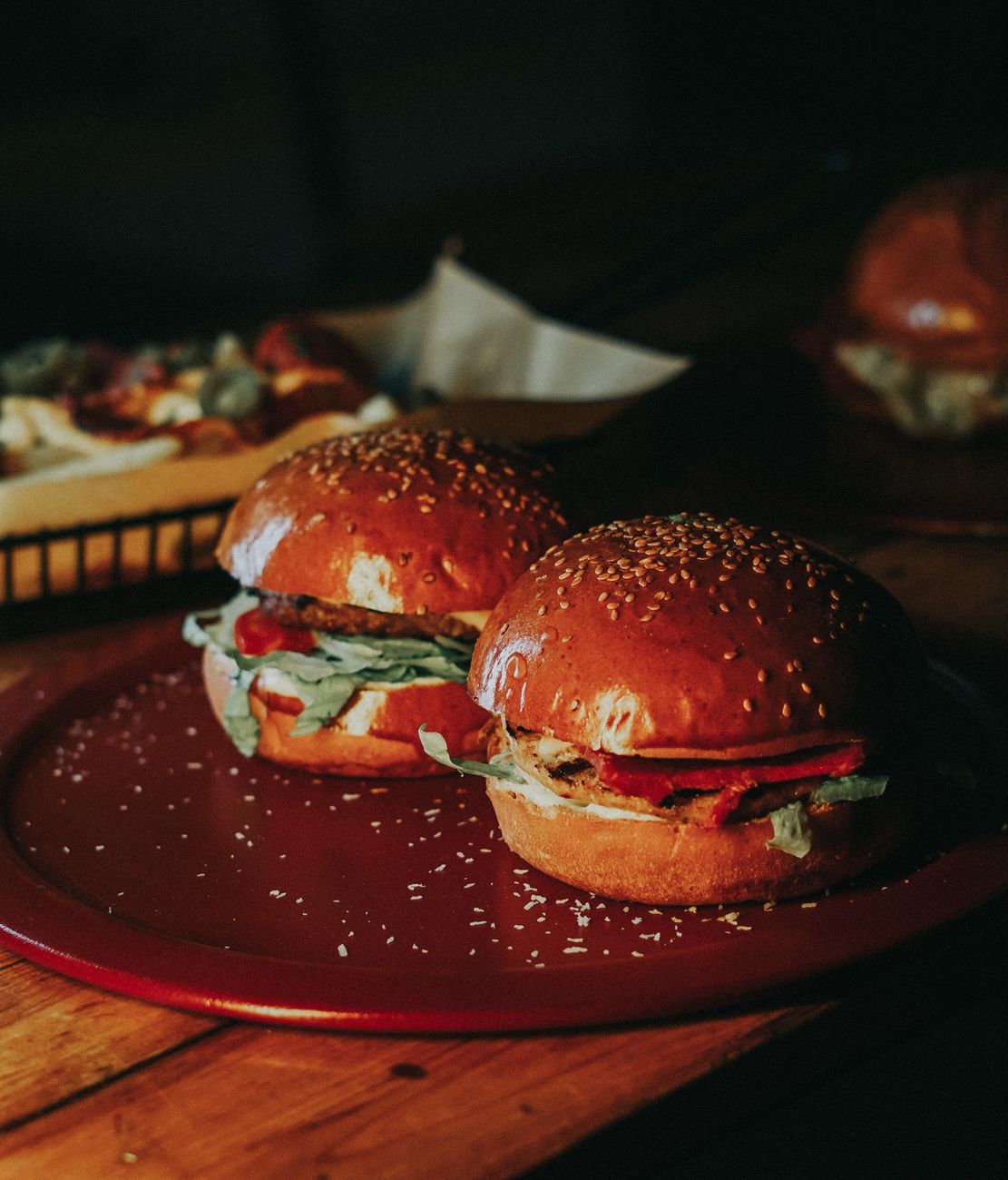
Consumers have gotten pickier. A basic endorsement is easy to scroll past, but a collab that feels specific, photogenic, and actually fun still has real pull. Restaurants know they are no longer competing only with other chains. They are competing with every limited-edition snack, every viral drink launch, and every entertainment release trying to win attention that same week.
That pressure is pushing collaboration meals to become more complete. Instead of one hero item, many 2026 launches will likely bundle a full experience: a signature entrée, a themed drink, custom packaging, collectible details, and a social angle built in from day one. The meal becomes content as much as dinner.
There is also a timing shift happening. Brands move faster now, and diners expect quick relevance. A collab tied to a playoff run, a movie premiere, or a streaming hit has a shorter runway than it did a few years ago. If it lands, it lands fast. If it misses the moment, it disappears just as quickly.
The trends shaping restaurant collaboration meals 2026
Pop culture tie-ins are getting more targeted
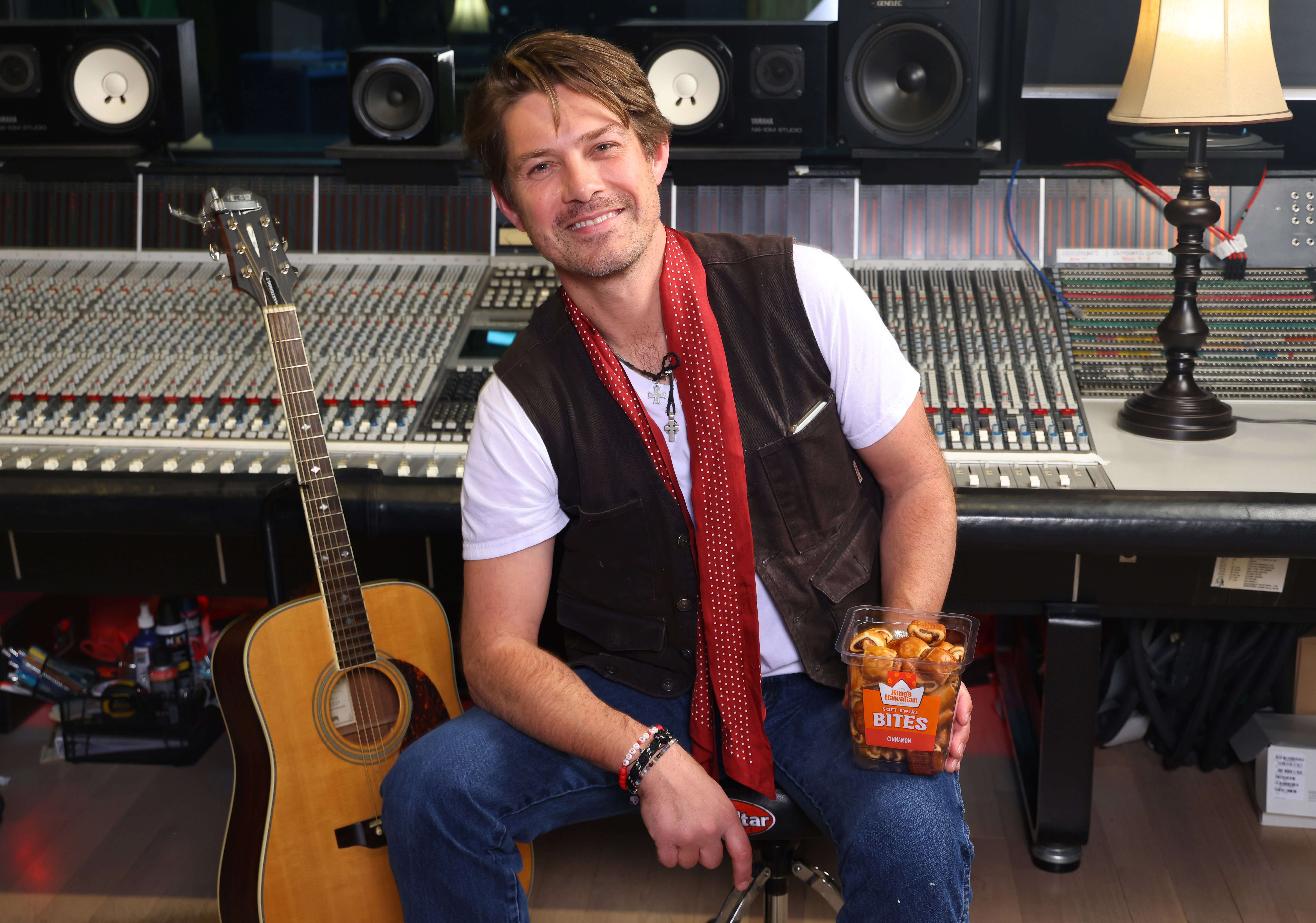
The broad celebrity meal is not going away, but the sharper play in 2026 is niche relevance with mainstream appeal. Think partnerships that speak directly to a fandom, music community, gaming audience, or nostalgia-heavy TV crowd without feeling too insider. The sweet spot is recognizable enough for mass interest, but specific enough to feel intentional.
That matters because the audience wants more than name recognition. They want a reason the collab exists. A spicy late-night menu tied to a touring musician makes sense. A bright, collectible dessert drop linked to an animated franchise makes sense. Random pairings still happen, but the more believable the match, the better the response.
Snack brand mashups keep getting more craveable
One of the easiest ways to create instant curiosity is by crossing restaurant food with packaged snack flavors people already know. This trend is likely to stay hot because it works on two levels: it feels familiar, but it also feels new enough to try once.
In practice, that could mean sauces inspired by cult-favorite chips, desserts built around branded candy, or chicken, burgers, and fries layered with seasonings that already have loyal fans. The upside is obvious – strong recognition and built-in flavor cues. The trade-off is that these collabs can feel gimmicky if the taste does not hold up beyond the first photo.
Drinks are no longer the side act
A lot of collaboration power now lives in beverages. That is partly because drinks are highly shareable, highly customizable, and often cheaper to trial than a full meal. In restaurant collaboration meals 2026, expect beverages to carry more of the storytelling load, especially in quick-service and fast-casual spaces.
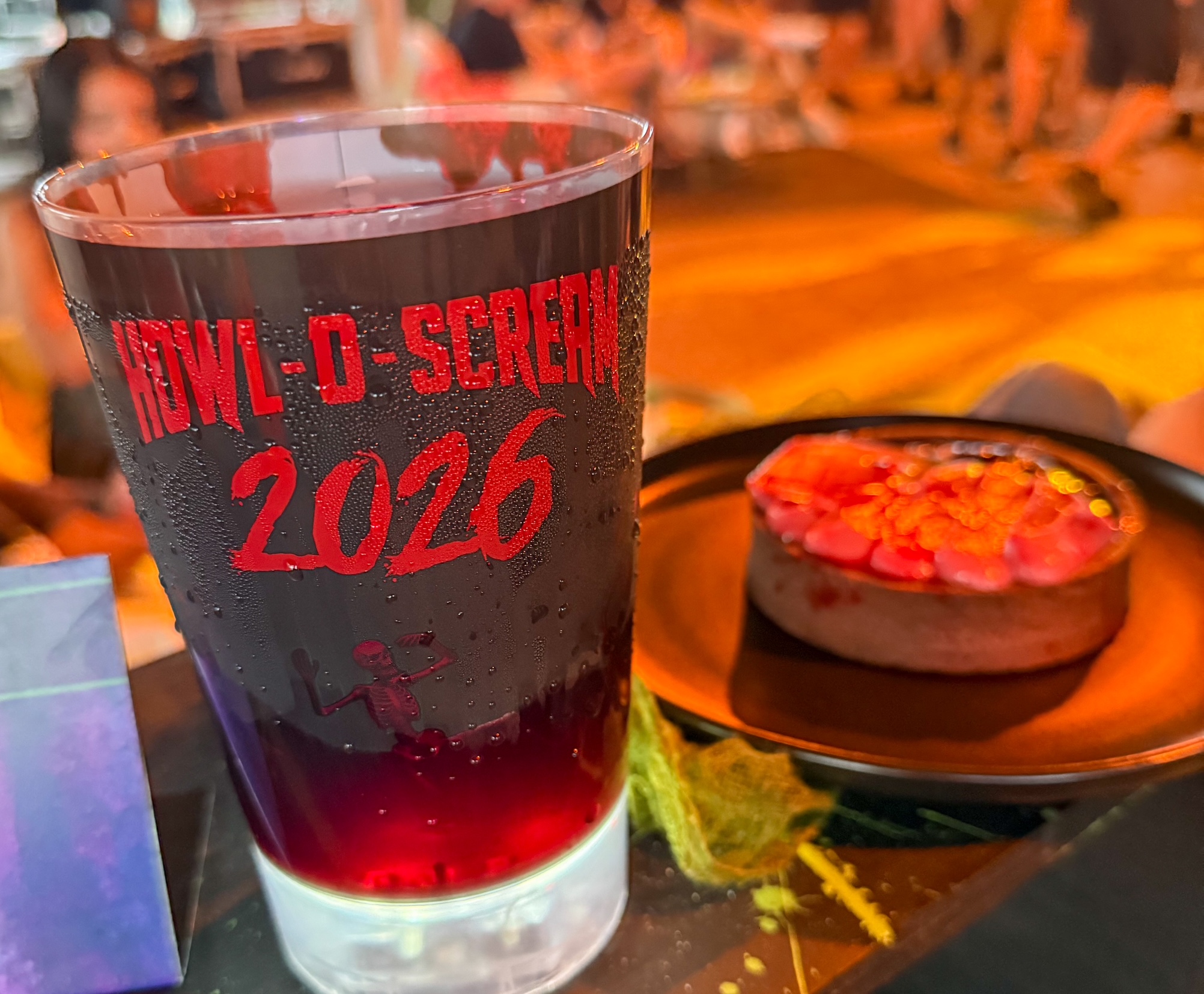
This opens the door for frozen blends, energy-inspired refreshers, dessert coffees, mocktail-style sodas, and layered color-forward drinks that look made for short video. It also gives brands flexibility. A restaurant can create a full collab moment without overhauling the kitchen line if the drink is strong enough.
Value still matters, even when the collab is flashy
The biggest mistake a collaboration can make is acting like buzz replaces value. It does not. Consumers may show up once for the novelty, but price and portion still shape whether the drop feels worth it.
That is why many of the smartest 2026 collabs will likely land in meal deals, bundles, and app-exclusive offers rather than premium pricing alone. A flashy tie-in with a hard-to-justify cost feels like a social media stunt. A craveable collab that also feels like a decent deal has a much better shot at repeat traffic.
What diners will probably see more of in 2026
One clear shift is the move from celebrity-fronted meals to personality-led menu creation. There is a difference. The older model often looked like a preset order attached to a famous person. The newer one is more immersive, with visual identity, flavor choices, merch-style packaging, and campaign language that feels custom-built.
Another change is regional testing. Not every collaboration needs a full national rollout on day one. In fact, some of the most interesting launches may hit select cities first, especially if the partner has strong local ties or if the brand wants to test response before scaling. That makes certain drops feel more exclusive, but it can also frustrate fans outside major markets.
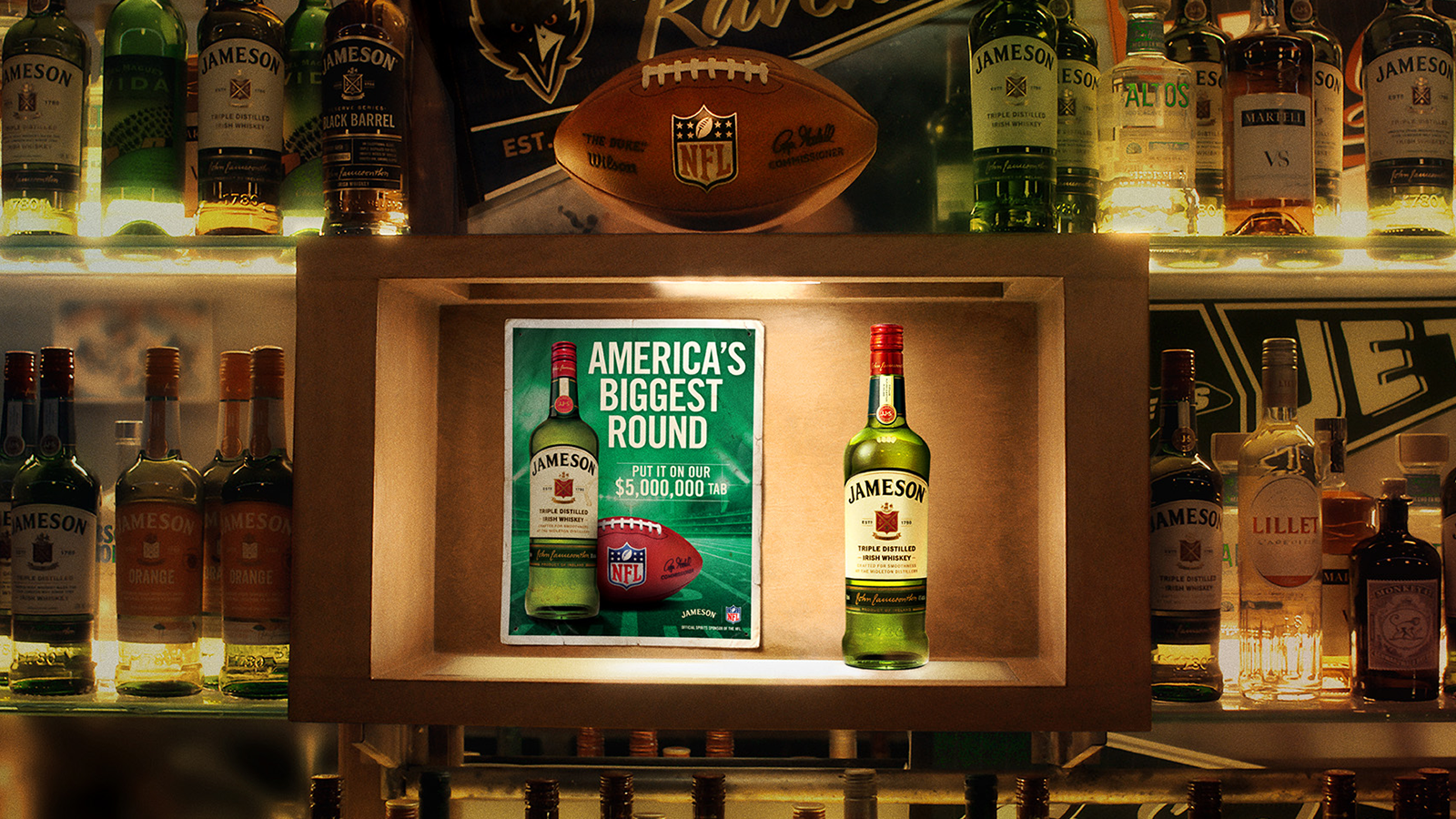
There is also room for cross-category partnerships beyond the obvious food world. Beauty, fashion, sports, and entertainment brands all want real-life consumer touchpoints, and restaurants offer a low-barrier entry point. A meal inspired by a sneaker release or a beauty brand color palette might sound unexpected, but unexpected is often the point. If the visual payoff is strong, consumers will give it a chance.
Which restaurants are best positioned for collaboration meals
Quick-service chains still have the biggest advantage because they can move fast, scale quickly, and build national attention through apps and loyalty programs. They also understand the mechanics of limited-time urgency better than most. If a chain already has digital ordering, a strong social presence, and proven promotional muscle, it is built for collaboration success.
Fast-casual brands also have room to win, especially when they can offer slightly more premium ingredients or customizable formats. These brands can make a collaboration feel less mass-produced and more lifestyle-driven. That is especially appealing when the partner has an audience that expects quality as much as hype.
Casual dining is a more mixed picture. A collaboration can work there, but it needs a stronger reason to get people into seats rather than through a drive-thru. In-person atmosphere, themed service moments, or a group-friendly angle may matter more in that setting.
What makes a collaboration meal actually work
The best launches usually get three things right. First, they have a clear hook. You should understand the collab in seconds. Second, the product sounds genuinely tasty, not just branded. Third, the rollout is easy to find, order, and share.
Where brands stumble is overcomplicating the concept. Too many references, too much visual noise, or a menu item that sounds better than it eats can kill momentum fast. Consumers are open to playful ideas, but they still want food that feels craveable and accessible.
There is also a shelf-life issue. Limited-time offers thrive on urgency, but too many at once can create fatigue. If every week brings another collab, none of them feel special. That balance will matter a lot in 2026, especially for chains trying to stay constantly in the conversation.
The real appeal of restaurant collaboration meals 2026
At their best, these meals give people a low-stakes way to participate in a trend. Not everyone is buying concert tickets, chasing fashion drops, or collecting premium merch. But grabbing a themed meal on a lunch break or during a family takeout run feels easy. That accessibility is a huge part of why the format keeps growing.
It also fits the way people live now. They want little moments of novelty without a lot of effort. A fun meal collab can turn a routine dinner into something that feels current, playful, and worth posting. That may sound small, but for busy consumers, small upgrades count.
The brands that win in 2026 will be the ones that understand that a collaboration meal is not just food. It is timing, mood, price, design, and cultural awareness packed into one order. When all of that clicks, the result is bigger than a promotion – it becomes the thing people suddenly need to try before it is gone.
If you are watching food trends this year, keep an eye on the collabs that feel surprisingly specific. Those are often the ones that go from quick launch to full-on obsession.

Leave a Reply