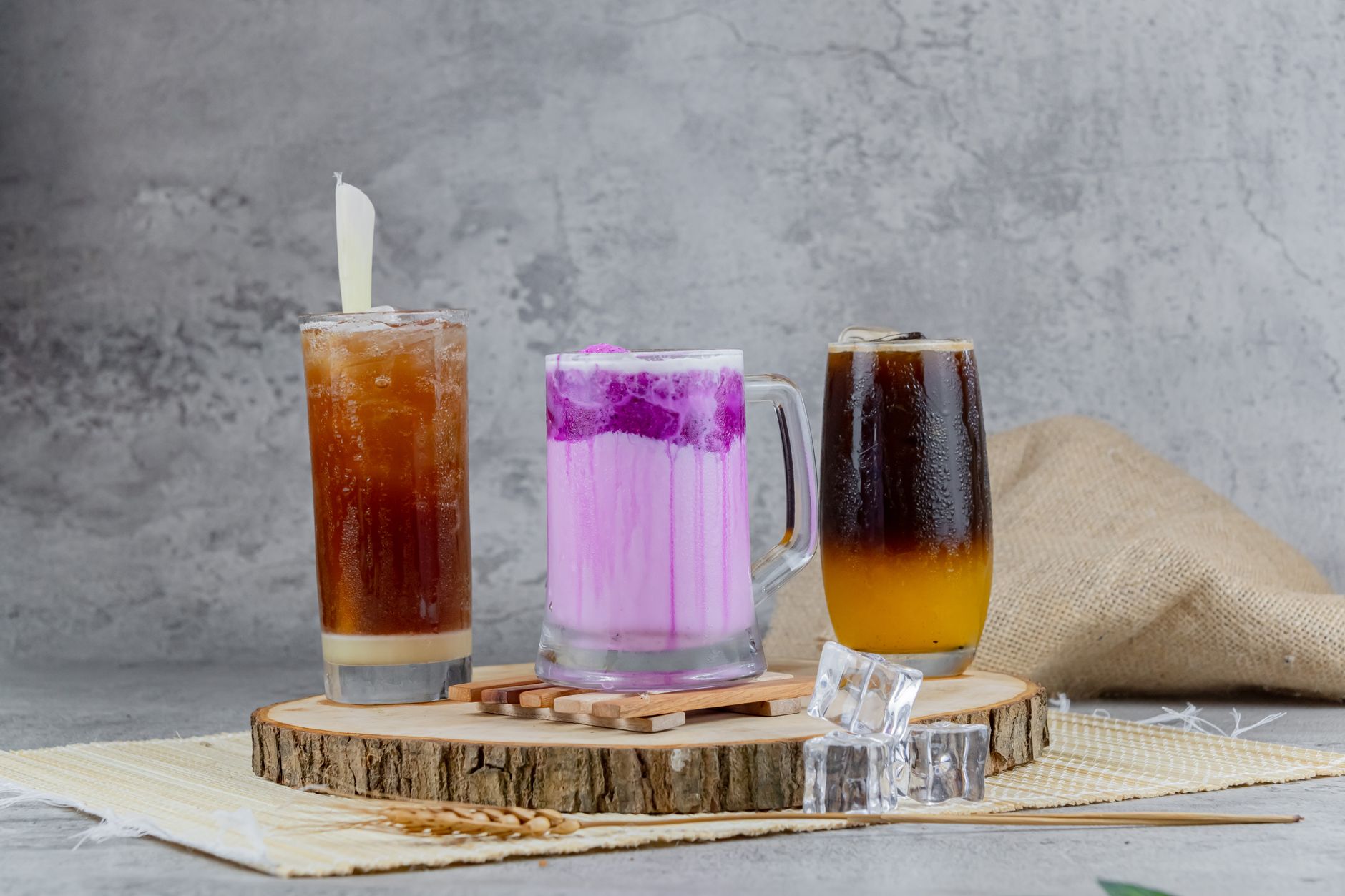
The biggest shift is that novelty alone is no longer enough. Wild flavor names and splashy packaging can still spark a first purchase, but repeat buys come down to whether a drink feels useful, craveable, and priced within reason.
Expect major brands to keep tightening their messages. Instead of making five big promises at once, the strongest launches will probably lead with one clear idea: cleaner energy, better hydration, a soda alternative, a café-style treat, or a party-ready nonalcoholic option. That kind of clarity works, especially for busy shoppers scanning a shelf in under ten seconds.
Flavor will still do plenty of heavy lifting, though. Familiar bases with a twist are in a sweet spot right now. Think cherry paired with spice, citrus with herbal notes, peach with tea, or tropical fruit layered into sparkling formats that feel lighter than juice. Consumers want something recognizable first, then a little surprise.
The flavor directions defining new beverage launches 2026
One lane to watch is the rise of nostalgic flavor profiles with a more grown-up finish. Cream soda energy drinks, orange-and-vanilla sparkling drinks, lemonade teas, and berry blends that nod to classic candies all fit that mood. These products feel playful, but they are being packaged and positioned for adults who want a treat that does not read as childish. It goes to the heart of the dirty soda trend.
Another lane is global inspiration presented in a very approachable way. Yuzu, calamansi, tamarind, lychee, ube, and hibiscus have all gained visibility, but 2026 will likely reward brands that use these flavors with balance. A hint of something unexpected can feel exciting. A drink that requires a lot of explanation can be a harder sell outside trend-forward urban markets.
Savory-adjacent and botanical flavors also have room to grow, especially in sparkling waters, mocktail mixers, and premium sodas. Cucumber, basil, rosemary, ginger, chili, and black tea notes can make a drink feel more elevated without making it feel too serious. That is a useful middle ground for consumers who want something a little different but still refreshing.
Sweetness is still a balancing act
This is where it gets tricky. Many shoppers say they want less sugar, but they also do not want a drink that tastes thin or overly sweetened with alternatives. That tension is driving a lot of product development.
In 2026, the brands with the best shot at broad appeal will likely be the ones that land in the middle: enough sweetness to feel satisfying, enough acidity or texture to feel complete, and a label that does not trigger instant skepticism. Consumers are more ingredient-aware than they used to be, but they are not all reading labels the same way. Some want cane sugar, zero sugar or for the taste to be good.
Functional drinks are growing up
Functional beverages are not new, but the category is becoming more everyday and less niche. The next round of launches will probably move away from sounding like wellness homework and toward drinks that feel more casual, more social, and easier to fit into a normal routine.
Energy will remain huge, but the market is getting crowded. That means new entries need more than caffeine and bright packaging. Better flavor, lower crash potential, and lifestyle-specific positioning will matter. Drinks aimed at focus, steady energy, or a gentler lift could resonate more than products trying to look intense for the sake of it. Refreshers are just a name, they are a sentiment.
Hydration is also getting a makeover. Consumers have embraced powders and electrolyte drinks, but ready-to-drink hydration options are likely to keep expanding in 2026, especially those that feel more like a treat than a sports product. If a brand can make hydration feel chic, flavorful, and easy to toss in a work bag or lunchbox, it has a real shot.
Gut-friendly beverages, like pre-biotic options, will stay in the conversation too, though probably with simpler marketing. Instead of long explanations, expect more launches that present themselves as sparkling refreshers first and functional drinks second. That softer approach makes sense for mainstream shoppers who are curious but not looking for a lecture at the cooler door.
Coffee, tea, and café-style drinks are getting more playful
Ready-to-drink coffee has been due for a refresh, and 2026 could deliver it through texture, dessert-inspired flavors, and more premium café cues. Cold foam-inspired drinks, lightly sweet lattes, and coffee beverages with seasonal flavor drops all fit where consumer demand is headed.
There is also room for coffee drinks that split the difference between indulgent and practical. Not everyone wants a giant sugar bomb, but plain black cold brew is not the answer for everyone either. The winning middle zone could be drinks with subtle sweetness, creamy texture, and enough flavor to feel like a small upgrade to the workday.
Tea has a similarly strong opening. Sparkling teas, fruit-forward green teas, and black tea blends with lemonade or botanical notes feel especially ready for a broader audience. Tea can read as lighter, calmer, and more refreshing than many other packaged drinks, which gives it a nice advantage as people look to scale back without feeling like they are missing out.
Mocktails and nonalcoholic drinks will keep expanding
The nonalcoholic boom is no longer just for Dry January. It is becoming a year-round shopping habit, and that gives new beverage launches 2026 plenty of room to play. Consumers want drinks for hosting, for winding down, and for those nights when they want something more exciting than seltzer but less committal than alcohol.
That does not mean every launch needs to mimic a classic cocktail exactly. Some of the strongest products will probably borrow the mood of a cocktail rather than copy one. Think bright citrus spritzes, bitter aperitif-inspired sodas, or sparkling drinks with layered herbal notes and a polished can design.
Price will be a deciding factor here. Premium nonalcoholic beverages can feel special, but if the cost gets too close to craft cocktails or wine, some shoppers will hesitate. The brands that make alcohol-free drinks feel both elevated and accessible could end up owning the everyday occasion.
Packaging and collabs will matter more than ever
A lot of beverage discovery now happens through the camera roll before it happens in the cart. That makes packaging part of the product, not just the wrapper. Clean design, strong colors, and a can or bottle that looks good in a quick social post can still drive attention fast.
But aesthetic alone has limits. The smartest brands will pair standout packaging with a collaboration angle that makes sense. Pop culture tie-ins, sports partnerships, café crossovers, and seasonal brand mashups all have potential, especially when they feel fresh rather than forced.
Limited-time drops will continue to perform, but shoppers are getting better at spotting empty hype. The best collab launches in 2026 will likely deliver on both sides: something recognizable enough to create buzz and a flavor or format that is genuinely fun to try.
Where shoppers will actually find the hits
Convenience stores, big-box retailers, club stores, and grocery chains will all play different roles in how these launches land. Convenience is still huge for impulse buys, especially for energy, hydration, and chilled coffee. Grocery remains where more household trial happens, particularly with multipacks and family-friendly drinks.
Club stores are worth watching because value matters. Even trend-chasing shoppers are feeling price fatigue. A beverage that earns repeat purchase often needs to make sense at scale, not just in a single-can test.
Direct-to-consumer buzz can still help a launch feel hot, but for mainstream success, retail visibility is what turns curiosity into a habit. That is especially true for readers who want what is new without hunting too hard for it.
What is most likely to win in 2026
The biggest winners will probably not be the drinks trying to do everything. They will be the ones that know their moment. A bold seasonal soda with a craveable flavor. A low-key hydration drink that tastes better than expected. A nonalcoholic spritz that feels party-ready without being precious. A canned coffee that makes Tuesday morning a little less boring.
That is what makes this category so fun to watch right now. Beverage launches are getting more specific, more personality-driven, and more tuned into the way people actually live. For shoppers, that means more reasons to try something new and fewer excuses to settle for a boring sip. Keep a little fridge space open.
Leave a Reply