
That free fries offer looks a lot less exciting when a delivery fee, service fee, and tip turn a $12 lunch into a $22 checkout. The real question in restaurant loyalty apps versus delivery apps is not which one is better across the board. It is which one fits the way you actually eat: grabbing coffee on the commute, feeding kids after practice, ordering a Friday-night pizza, or trying the buzzy new spot everyone is posting about.
Both types of apps promise value, but they deliver it in very different ways. Restaurant apps are built to bring you back to one brand. Delivery apps are built to put the entire neighborhood on your phone. One rewards routine; the other rewards range.
Restaurant Loyalty Apps Versus Delivery Apps: The Big Difference
A restaurant loyalty app is usually the better play when you already know what you want. Think of the fast-casual bowl you order every Tuesday, the coffee chain that gets you through early meetings, or the sandwich place your family reliably agrees on. These apps often combine ordering, payment, points, personalized offers, birthday rewards, and occasional member-only drops in one place.
The trade-off is obvious: you are in that restaurant’s universe. If you wake up craving a chicken sandwich from one chain, great. If your group wants Thai, tacos, burgers, and ice cream from four different places, a single-brand app is not going to solve dinner.
Delivery apps win on variety and convenience. They let you compare menus, browse nearby options, track a driver, and add the grocery-store ice cream you forgot to buy. For a rainy-night order or a hotel stay in an unfamiliar city, that kind of choice can feel worth paying for.
But convenience has a price tag. Delivery fees may change by distance, time, restaurant, or demand. Service fees and small-order fees can appear too, and a tip should be part of the budget from the start. Promotions can soften the blow, especially for subscribers, but the lowest menu total does not always become the lowest final total.
Where Loyalty Apps Can Feel More Rewarding
Restaurant rewards programs tend to make the most sense for repeat visits. Many work on a points-per-dollar model, while others use visits, stamps, challenges, or rotating offers. The fun part is the little rush of a free drink, bonus points on a new menu item, or a surprise deal that turns an ordinary lunch run into a mini win.
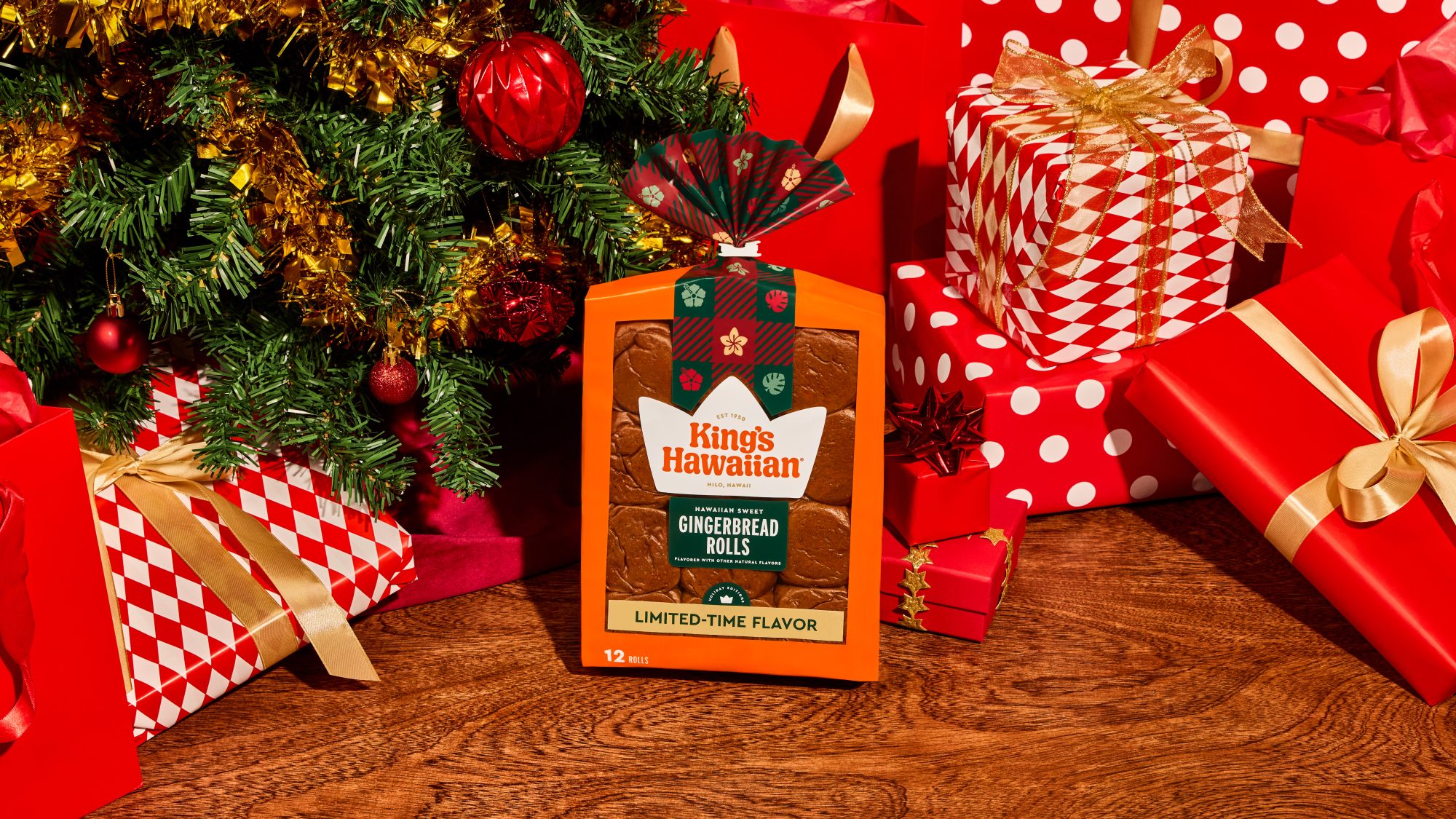
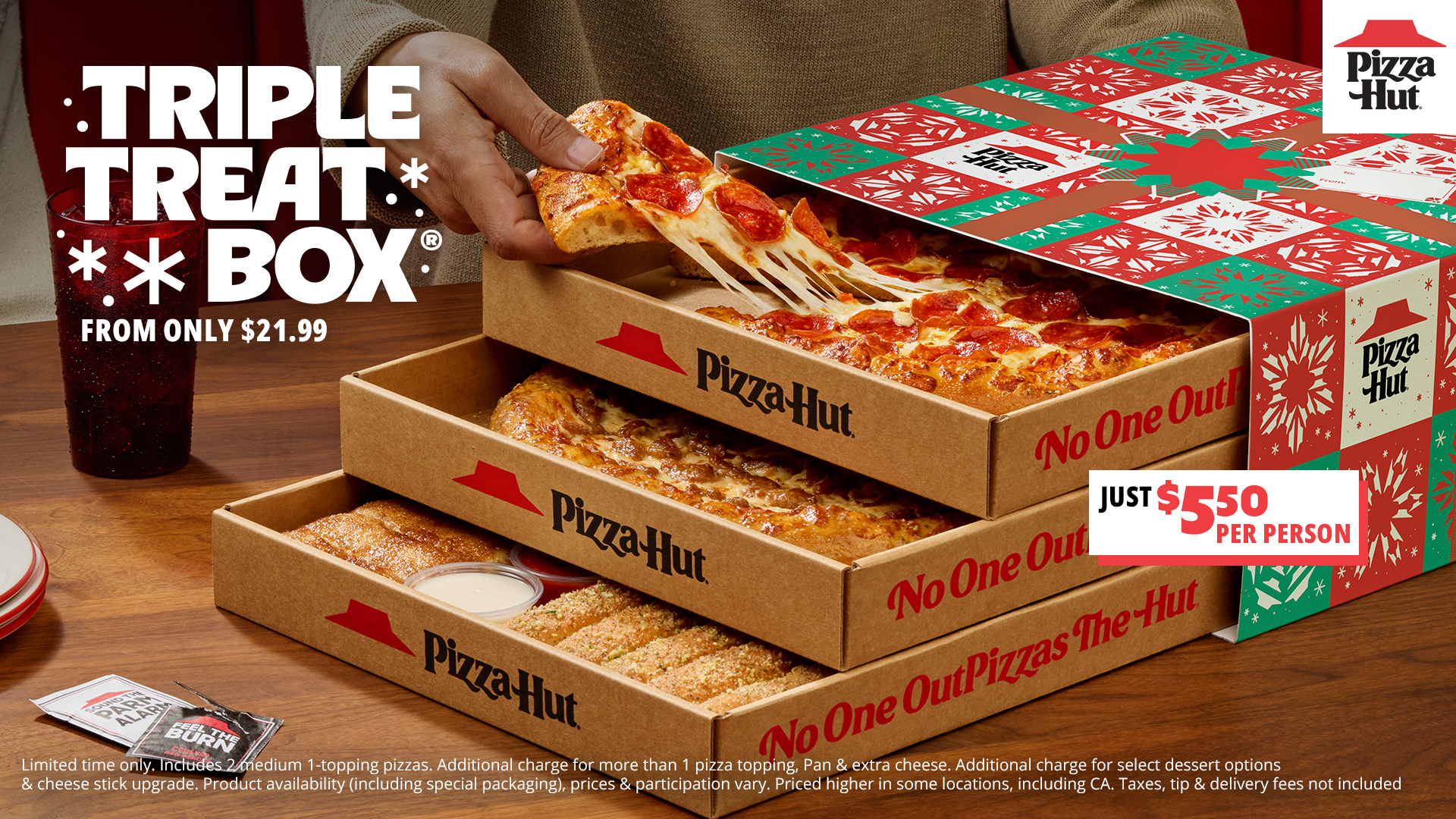
They can also be a fast lane for limited-time menu drops. If a chain launches a seasonal shake, a celebrity meal, a spicy sauce, or a holiday-themed drink, its own app may be where early access and app-exclusive offers show up first. For consumers who enjoy trying new food trends without paying full price every time, that is a meaningful perk.
There is also a practical advantage to ordering directly for pickup. You can often customize an order, pay ahead, skip the line, and avoid delivery-related charges. For a $6 iced coffee or a quick weekday lunch, pickup through a restaurant app can make far more financial sense than delivery.
Still, loyalty points are not cash. Rewards may expire, apply only to select menu items, or require a higher spend than expected before they become useful. A free entrée is only a deal if you were already planning to visit, not if it convinces you to make an extra trip and add a bunch of sides.
The best use case: your regular rotation
If a restaurant is already part of your weekly routine, downloading its app is usually a smart move. You are not changing your behavior much, and the rewards can stack up naturally. This is especially true for coffee, breakfast, fast-casual lunches, and family-friendly chains where the order is predictable.
The key word is “already.” Signing up for every loyalty program in town can leave your phone full of notifications and your points scattered across apps you barely open. Pick the places you genuinely return to, then turn on alerts only if you want timely deal notifications.
Why Delivery Apps Still Have Their Moment
Delivery apps are not just for people who do not want to cook. They are a modern solve for complicated moments: a late work call, a sick day, a road trip arrival, a packed weekend, or the classic group order where nobody can agree on one restaurant. Their biggest selling point is that they make lots of choices available without requiring multiple pickup stops.
They are also useful discovery tools. A delivery app can surface a new dumpling spot, a neighborhood bakery, or a trending burger special you might not have noticed otherwise. For food fans who want to try what is new right now, browsing can be part of the fun.
Subscription programs can change the math for frequent users. If you place several qualifying orders each month, waived delivery fees or reduced service fees may add up. That said, subscriptions do not erase every charge, and not every restaurant or order qualifies. Check the estimated total before assuming a membership makes an order a bargain.
The best use case: convenience and choice
Delivery apps earn their place when time, transportation, weather, or group preferences matter more than squeezing out every possible dollar. They can also be a practical option while traveling, when you do not know the area and want something familiar delivered to your door.
Just do a quick checkout reality check. Compare the food subtotal, fees, tip, and any promotion. A “40% off” offer can still cost more than direct pickup if the marked-up menu prices and fees are high enough.
The Sneaky Middle Ground: Direct Ordering With Delivery
The choice is not always restaurant app versus delivery app in a strict either-or battle. Some restaurant apps offer direct delivery, while some restaurants list on third-party platforms and still allow you to earn loyalty points. Others do not. Policies can vary by brand, location, promotion, and whether you order pickup or delivery.
That means a two-minute check can pay off. If you are ordering from a favorite restaurant, open its app or website first and compare the total with the delivery marketplace. You may find a better offer, lower fees, or a reward attached to the direct order. Or you may decide the delivery app’s promo is genuinely better that day.
Be especially careful with account linking. If a restaurant says loyalty points apply to third-party delivery orders, you may need to add your membership number before checking out. Do not assume the points will appear later.
How to Choose Without Overthinking It
Start with the occasion. For a quick solo coffee, direct pickup through a loyalty app is usually the clear winner. For a planned family dinner from a restaurant you visit often, compare direct pickup and direct delivery before going elsewhere. For a last-minute group meal with competing cravings, a delivery app may be worth the extra cost because it saves time and negotiation.
Then look at what you value most. If your goal is free food over time, build loyalty with a few restaurants you honestly love. If your goal is trying new places, keeping dinner flexible, and avoiding an extra errand, use delivery apps strategically rather than automatically.
One helpful habit is to treat promotions as a bonus, not a reason to order. The best deals are the ones that lower the cost of something you were already excited to eat.
The next time a craving hits, make the app choice part of the order. A few taps could mean points toward next week’s treat, a newly discovered local favorite, or simply a dinner that arrives exactly when life gets too busy to cook.

Leave a Reply