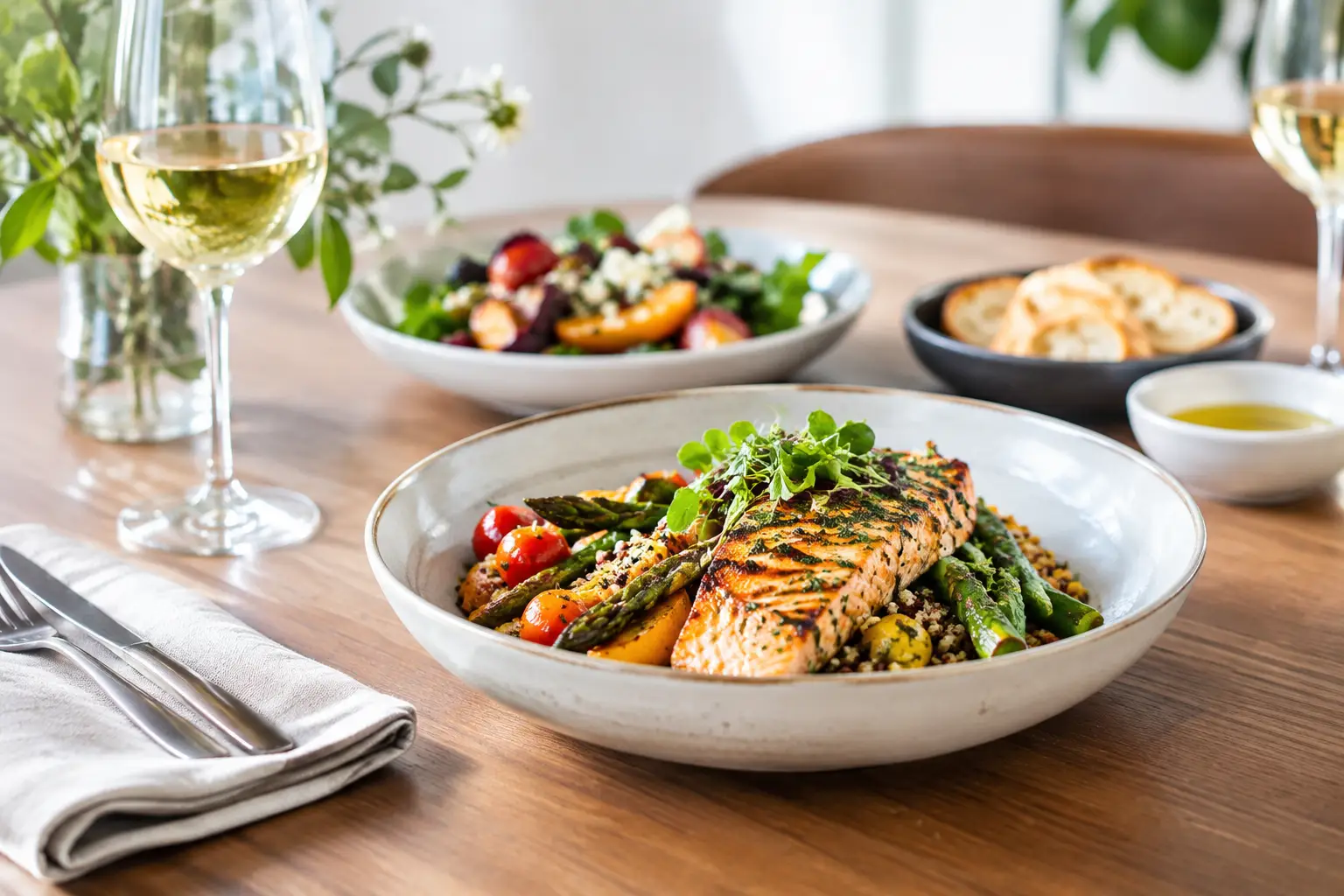
The most exciting dining trends are not just changing what lands on the table. They are changing why we go out in the first place. A great meal still matters, obviously, but so does the mood: the buzzy new opening, the snackable plate that looks as good as it tastes, the special that gives a regular Tuesday night a little main-character energy.
For diners, that means more ways to make going out feel fun without turning every reservation into a major production. From nostalgic comfort food with a glow-up to daytime hangouts that stretch into dinner, these are the shifts making restaurant plans feel especially craveable right now.
Dining Trends Are Getting More Playful
The serious white-tablecloth meal is still there when the occasion calls for it, but restaurants are increasingly making room for a lighter, livelier kind of occasion. Think polished spaces with casual menus, chef-driven bites meant for passing around, and drinks that arrive with just enough flair to earn a photo before the first sip.
That playful approach is showing up in the food itself. Familiar favorites are getting bolder formats: an elevated grilled cheese, a loaded baked potato with restaurant-level toppings, a chicken sandwich with an unexpected regional sauce, or a soft-serve dessert that leans into a childhood cereal, cookie, or candy flavor. Nostalgia works because it gives people an instant point of view. Everyone knows the original, so the remix feels easy to understand and exciting to try.
The trade-off is that novelty can get expensive fast. A menu packed with viral-worthy add-ons may make a quick dinner feel like a splurge. The sweet spot is a place where one standout item is enough to make the visit memorable, while the rest of the order still feels satisfying and fairly priced.
Snacks Are Stealing the Spotlight
Big entrees are no longer the only reason to book a table. More diners are building a meal around snacks, starters, sides, and a dessert they have been thinking about since lunch. It is an especially appealing move for friends with different appetites, families trying to keep everyone happy, and anyone who would rather sample three things than commit to one oversized plate.
This is why shareable menus continue to have real staying power. A round of dumplings, crispy potatoes, skewers, dips, wings, or crunchy salads turns ordering into part of the social experience. It also gives people a lower-stakes reason to try a restaurant. You may not be ready for a full tasting menu, but you can absolutely meet someone for fries, sparkling water, and one very good dessert.
For restaurants, smaller plates can create a more flexible check. For diners, they can be a win if the group is genuinely sharing. If everyone orders individual snacks and calls it dinner, the bill can climb surprisingly quickly. A little menu strategy goes a long way.
The Return of the Casual Occasion
One of the most relatable dining trends is the rise of the casual occasion. People are looking for reasons to make everyday life feel more festive: a post-work catch-up, a Saturday lunch that turns into an afternoon outing, a pre-concert meal, or a family night where nobody has to cook.
Restaurants are meeting that moment with happy-hour food that actually feels like dinner, themed menu nights, seasonal brunches, chef collaborations, and limited-time items that give regular guests a reason to come back. The best promotions do not feel like a hard sell. They feel like an invitation to try something only available for a short window, whether that is a spicy summer roll, a game-day burger, or a cozy fall drink.
Daytime dining is part of the story, too. Brunch remains popular, but lunch is getting more attention as people look for affordable ways to enjoy restaurants. A midday reservation can be easier to get, less expensive than dinner, and perfect for trying a place that is otherwise tough to book. For travelers, it is also one of the easiest ways to fit a buzzed-about restaurant into a packed itinerary.
Dining Out Is Becoming a Mini Experience
Food alone may get someone through the door, but atmosphere is often what gets them to tell friends about it afterward. Restaurants are leaning into that reality with open kitchens, dramatic lighting, pop-up installations, tableside finishes, live music, and menus tied to holidays, sports, and pop culture moments.
Not every meal needs a theatrical presentation, and plenty of diners still want a quiet booth and a dependable pasta. But experience-driven dining has a place because it gives people something beyond a receipt. It creates an easy answer to the question, “What should we do tonight?”
The key is choosing the experience that fits the plan. A loud, high-energy room can be perfect for a birthday or group celebration and completely wrong for a long-overdue conversation. Before booking, consider the music level, reservation policy, portion style, and whether the menu is built for sharing. A little expectation-setting can keep a fun night from becoming a frustrating one.
Global Flavors Feel More Everyday
American diners are increasingly comfortable ordering flavors once treated as unfamiliar or niche. Chile crisp, yuzu, tahini, gochujang, tamarind, ube, birria, za’atar, and sambal have become part of the broader food conversation. What feels different now is how often those ingredients show up outside a single cuisine or special-occasion restaurant.
That can mean a neighborhood pizza place offering a hot-honey-and-chile-crisp pie, a cafe using cardamom in its cold foam, or a fast-casual spot featuring bright, herb-heavy sauces alongside classic comfort food. These combinations can be genuinely delicious, especially when the restaurant gives the ingredient room to shine instead of treating it like a trendy garnish.
There is a meaningful distinction between inspiration and shortcutting. The most exciting menus tend to be specific about the dish, its roots, and the people behind it. They introduce diners to something new while respecting the traditions that made those flavors worth celebrating in the first place.
Drinks Are Part of the Plan, With or Without Alcohol
The beverage menu has become a bigger part of the dining decision. People want interesting drinks, but not everyone wants alcohol, and restaurants are finally responding with more than soda and a single overly sweet mocktail.
Zero-proof spritzes, botanical sodas, fancy iced teas, frozen drinks, and fruit-forward refreshers are getting thoughtful treatment. That makes a group meal easier to navigate, whether someone is driving, skipping alcohol for the night, or simply wants a drink that pairs well with food without feeling heavy.
Meanwhile, low-lift luxuries are everywhere: a chilled martini, a tiny celebratory pour of sparkling wine, an espresso-tonic style pick-me-up, or a dessert drink that closes out the meal. The appeal is less about following rules and more about choosing the moment. A lunch date may call for something bright and nonalcoholic; a Friday night might deserve the drink with the dramatic garnish.
What Makes a Trend Worth Trying?
The best restaurant trend is not necessarily the loudest one on your feed. It is the one that makes your actual plans better. Maybe that is a shareable menu that solves dinner for a picky group. Maybe it is a limited-time dessert worth detouring for after a movie. Maybe it is a daytime reservation that lets you try a popular spot without fighting for a Saturday-night table.
Keep an eye on the places that make discovery feel easy: a new neighborhood opening, a seasonal menu switch, a collaboration between two local favorites, or a familiar chain adding one surprisingly craveable item. Pick one thing that sounds fun, invite someone who will be equally excited to split it, and let dinner be the plan instead of the errand.
Leave a Reply