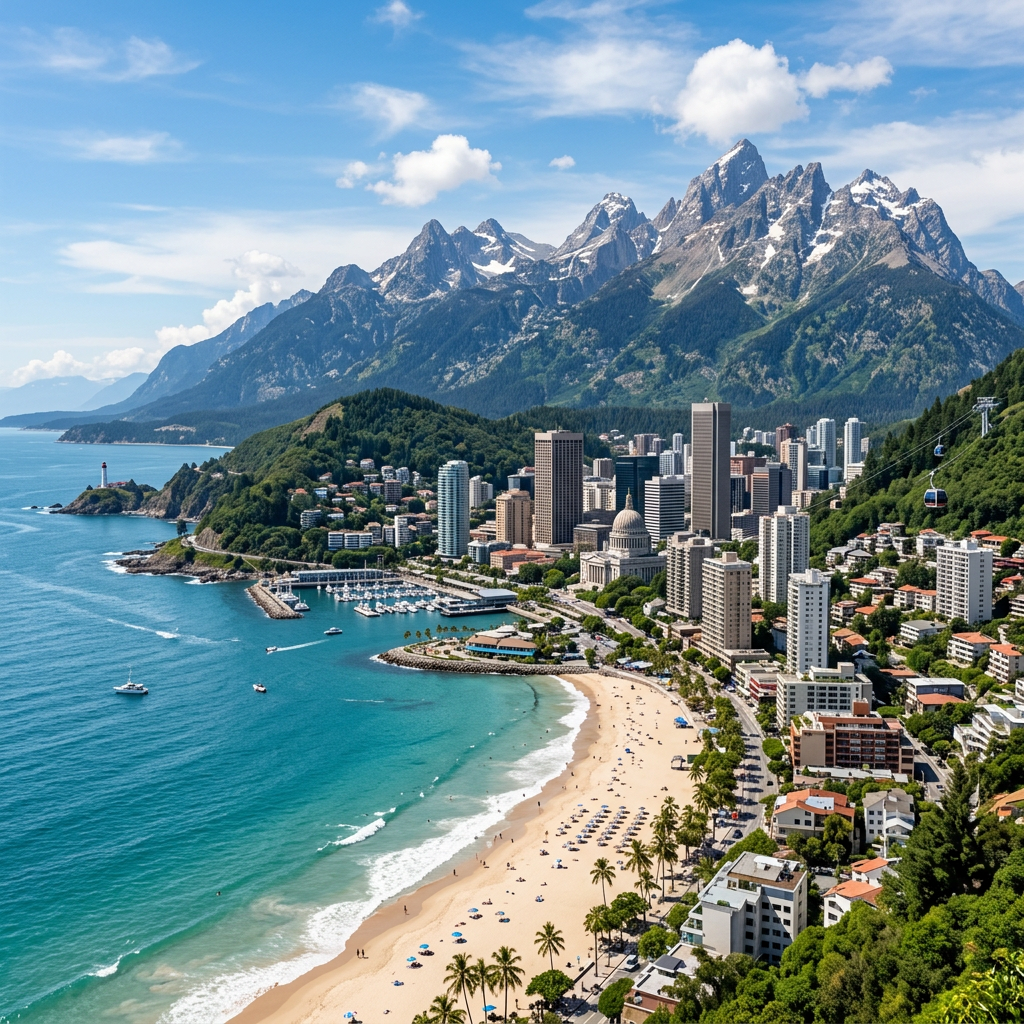
The biggest travel trends right now are not about checking off the most landmarks or squeezing five cities into seven days. They are about making a trip feel personal, delicious, and genuinely worth the group chat photos. Americans are building getaways around a restaurant reservation, a concert weekend, a dreamy hotel pool, or simply the chance to put their phone on Do Not Disturb somewhere with a better view.
For busy travelers, that shift makes sense. Vacation days are precious, prices still require strategy, and nobody wants to come home needing a recovery week from their getaway. The most craveable trips are giving people one clear reason to go, then leaving enough room for a great coffee stop, an unexpected local shop, and a little downtime.
Travel Trends Are Getting More Personal
The era of copying someone else’s perfectly packed itinerary is cooling off. Travelers still love inspiration from TikTok, Instagram, and their favorite group chats, but the final plan is becoming more selective. A couple might skip the famous museum in favor of a cooking class. A family may choose a resort with an easy kids’ club and walkable dining over a complicated multi-stop route. Friends may book a smaller city where dinner reservations do not feel like a competitive sport.
This is less about doing less and more about choosing better. The new flex is a trip that reflects what you actually enjoy, whether that means vintage shopping, hiking before breakfast, lingering over seafood towers, or spending an entire afternoon at a spa.
There is a practical side, too. Building an itinerary around two or three priorities can make spending easier to control. Choose the big splurge, then balance it with casual neighborhood meals, public beaches, free walking routes, or a hotel breakfast that saves a daily decision.
Food-First Trips Are Still a Major Draw
A destination can be beautiful, but one unforgettable meal often becomes the story everyone tells when they get home. Food-focused travel continues to shape where people go and how they plan, from chasing regional barbecue and iconic pizza slices to booking hotel stays near a buzzy farmers market.
The appeal is bigger than fine dining. Travelers want places with personality: a family-owned bakery with a line out the door, a standout taco counter, a seasonal ice cream flavor, a local diner that does breakfast all day, or a neighborhood cocktail bar with a clever menu. These are the experiences that feel specific to a place rather than copied from every other vacation.
For families and groups, food can also be the easiest way to make a trip work for everyone. Pick a destination with plenty of approachable options, then reserve one special dinner for the memory book. The best itinerary is not necessarily the one with the trendiest reservation. It is the one where nobody is hungry, frustrated, or scrolling for a backup plan at 8:45 p.m.
The grocery-store souvenir gets an upgrade
Forget the dusty keychain. More travelers are bringing home snackable proof of where they have been: regional chips, hot sauces, local coffee, bakery treats, spice blends, and limited-edition sodas. These small finds are affordable, fun to share, and far more likely to spark a conversation once the suitcase is unpacked.
Just leave a little room in your bag and check rules for carrying liquids, alcohol, and fresh foods home. The best edible souvenir is only great if it makes it through the trip.
Smaller Cities Are Having Their Main-Character Moment
Major cities will always deliver big energy, but smaller destinations are increasingly winning travelers over with easier pacing and often friendlier budgets. Think walkable downtowns, scenic waterfronts, independent restaurants, arts districts, and hotels that feel stylish without turning a two-night stay into a financial event.
These places are especially appealing for long weekends. You can arrive Friday evening, settle into one neighborhood, and still have time for a late brunch, a local attraction, and a standout dinner before heading home Sunday. No elaborate transit plan required.
That said, a smaller city is not automatically the cheaper choice. Festival weekends, college events, and peak foliage or beach seasons can push hotel rates way up. A quick date check before booking can be the difference between a smart escape and a surprising bill.
The Hotel Is Part of the Plan
Travelers are no longer treating the hotel as a place to drop bags and sleep. A great lobby bar, rooftop, pool, design-forward room, included breakfast, or location near the action can shape the whole trip. For a short getaway in particular, paying a little more for a hotel you actually want to enjoy can beat staying far away just to save a few dollars.
This does not mean every trip needs a luxury resort. Sometimes the winning move is a clean, comfortable spot near the restaurant, beach, trail, or event that brought you there. The trend is intentionality. Read recent guest feedback, look closely at resort and parking fees, and decide whether amenities are features you will use or just pretty details in the booking photos.
A hotel with a pool may be priceless for parents traveling with kids. For a couple spending all day exploring, a central location may matter much more. The right choice depends on the kind of trip you want to have before you ever open a booking app.
Slow Mornings and Quiet Escapes Feel Extra Luxurious
Not every memorable trip needs a packed schedule. One of the most refreshing travel trends is the return of the unhurried getaway: cabins, lakeside towns, wellness stays, beach mornings, scenic drives, and destinations where the biggest decision is whether to read by the water or take a nap first.
For travelers who live with nonstop notifications and full calendars, quiet is becoming a real amenity. A slower trip can still include great food and a few planned activities, but it makes room for spontaneity. You might find the best part of the weekend is not the attraction you booked weeks ago. It is the coffee shop you wandered into because you had nowhere else to be.
The trade-off is that slower travel can require more advance planning in popular areas. Small towns may have fewer restaurants, limited rideshare availability, and seasonal business hours. Book the essentials, especially lodging and a rental car if needed, then keep the rest loose.
Event Travel Makes a Great Excuse to Go
Concerts, sports games, comedy shows, food festivals, and pop-culture events are turning ordinary weekends into mini vacations. A ticket gives the trip a built-in centerpiece, while the destination adds a reason to extend the fun by a day or two.
This style of travel works beautifully when you avoid overcomplicating it. If the event is the main attraction, stay close enough that transportation is easy and give yourself time to eat before the crowds hit. A late-night burger spot or next-morning brunch can become part of the experience instead of an afterthought.
Prices can jump quickly around high-demand events, so flexibility matters. Traveling a day earlier, staying in a nearby neighborhood, or choosing a Sunday night return can make the numbers work better without draining the excitement.
Build a Trip With One Big Yes
The most useful takeaway from these travel trends is simple: give every getaway one big yes. It could be the restaurant you have wanted to try for years, the suite with the balcony, the tickets to see your favorite artist, or the extra day off that lets you travel without rushing.
Let that one choice guide the rest of the plan. When a trip has a clear point of view, it feels more memorable, more manageable, and much more likely to deliver the kind of stories you will want to retell long after the tan fades.



Leave a Reply