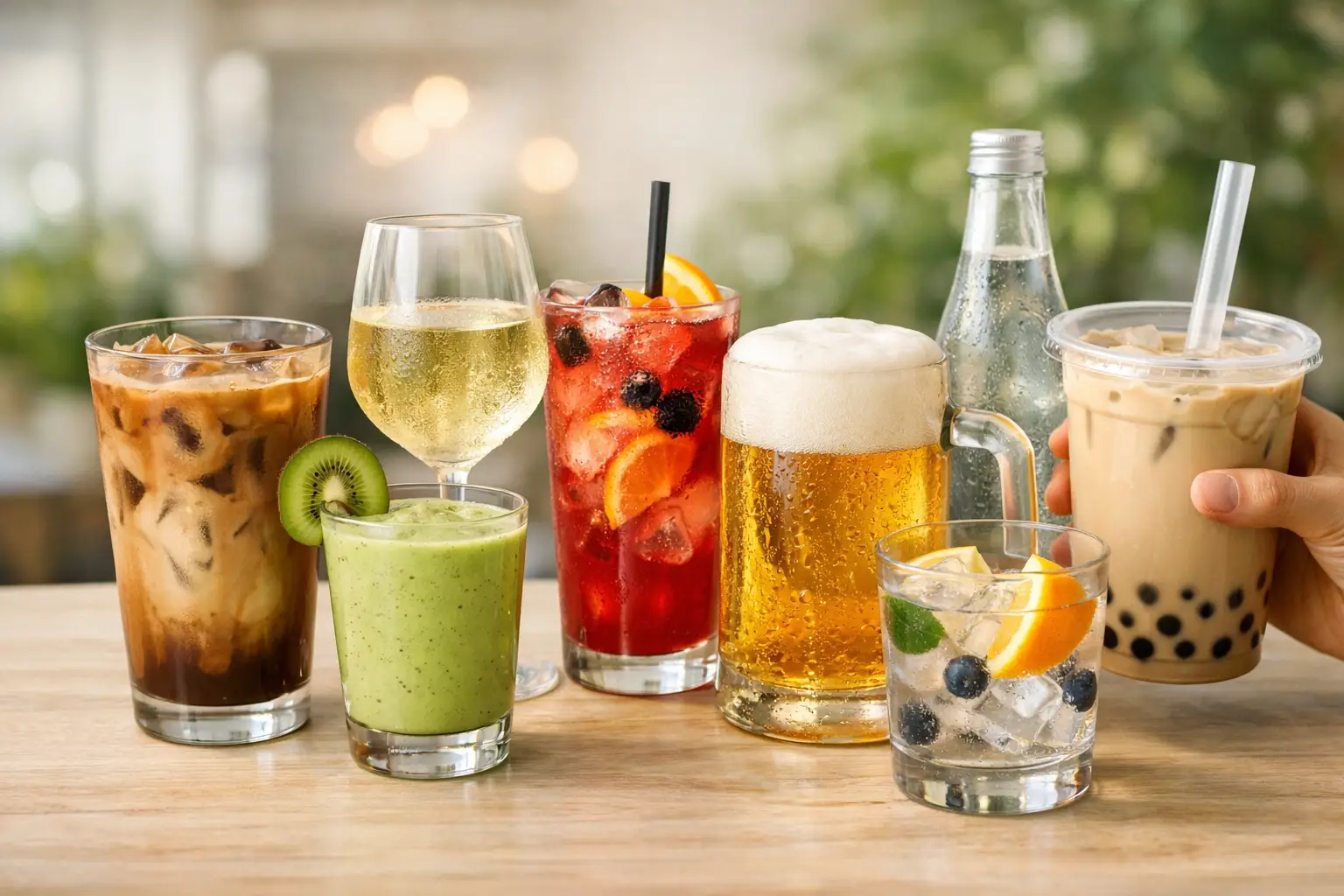
One of the biggest shifts is that people are choosing drinks based on how they want to feel, not just what flavor sounds good. Taste still leads, of course, but function has become part of the pitch. Energy, hydration, gut support, focus, relaxation, and added protein are now mainstream selling points rather than niche wellness language.
That does not mean every shopper is reading ingredient panels like a dietitian. It means consumers are more open to drinks that promise a little extra. A canned tea with adaptogens, a sparkling beverage with probiotics, or a water enhancer with electrolytes fits neatly into busy routines because the benefit is easy to understand. If a drink can replace one more supplement, one more afternoon slump, or one more boring bottle of water, it has a strong shot.
There is a trade-off, though. Some functional drinks still miss on flavor, and everyday shoppers rarely stay loyal to a product that tastes like a compromise. The brands gaining traction are the ones making wellness feel casual rather than clinical.
Hydration is no longer just plain water
Hydration has become one of the easiest trend categories to spot because it is everywhere. Electrolyte powders, mineral-forward sparkling waters, coconut water blends, and sports drinks with cleaner ingredient stories are all competing for the same consumer: someone who wants water, but not boring water.
This trend works because it crosses age groups and lifestyles. Parents want better lunchbox options. Office workers want a midafternoon reset. Fitness-minded shoppers want hydration that feels more intentional without going full performance mode. Even people who are not training for anything are buying drinks that suggest they could be.
The catch is price sensitivity. Consumers may spend on a trendy hydration product once, but repeat purchases usually depend on value. Single cans can feel fun. Multi-pack affordability is what turns a trend into a staple.
The return of nostalgic flavors with a modern twist
Nostalgia is showing up in drinks in a big way, and it is not subtle. Orange creamsicle, cherry cola, root beer float, strawberries and cream, and cereal-inspired flavors all tap into that familiar comfort factor. For brands, it is a smart move. A nostalgic profile instantly tells shoppers what kind of experience they are getting, even if the format is new.
This is especially effective in categories that used to feel too serious. Protein shakes, flavored waters, and better-for-you sodas suddenly feel more approachable when the flavor reminds consumers of a childhood treat. That emotional connection matters. People are more likely to try something unfamiliar when the flavor feels recognizable.
Still, nostalgia has to be balanced carefully. If the branding is too gimmicky or the sweetness goes overboard, the drink can feel like a one-time curiosity rather than something worth buying again. The strongest releases pair playful flavor names with cleaner finishes and more grown-up packaging.
Better-for-you soda keeps getting bolder
One of the clearest beverage trends for everyday consumers is the rise of soda alternatives that promise familiar fizz with a more current ingredient story. Prebiotic sodas and lower-sugar sparkling drinks are no longer side characters in the beverage aisle. They are becoming regular household buys for people who want that soda moment without the same level of sweetness or heaviness.
Part of the appeal is simple: these drinks feel like an easier swap than many health-focused products. Consumers do not have to reinvent their habits. They just choose a can that feels a little lighter, a little trendier, or a little more aligned with their goals.
This category is also winning because it knows how to market itself. Bright cans, craveable fruit flavors, and social buzz make these drinks feel lifestyle-friendly rather than restrictive. But not every shopper is fully sold. Some still prefer the taste of classic soda, and others question whether the health halo always matches the price. That tension is real, and it is why this space keeps evolving fast.
Coffee and tea are leaning into convenience and customization
Coffee is not just coffee anymore, and tea is following the same path. Ready-to-drink formats have expanded far beyond basic bottled iced coffee. Now shoppers can find cold foam-inspired cans, dessert-flavored lattes, dairy-free options, matcha blends, protein coffees, and tea drinks designed around energy or mood.
The common thread is customization without the work. Consumers want the coffeehouse experience at home, in the car, or at the office, but they do not always want the coffeehouse price or wait time. Grocery shelves are filling that gap.
Creamers deserve some credit here too. Seasonal and pop-culture-inspired creamers have turned at-home coffee into a mini ritual that feels affordable and fun. For plenty of consumers, buying one new creamer flavor is a smaller, smarter indulgence than spending on café drinks all week.
Tea, meanwhile, is getting cooler in both senses of the word. Sparkling teas, fruit-forward iced teas, and functional tea blends are helping the category feel less traditional and more current. It depends on the shopper, but tea is increasingly competing not just with hot beverages, but with energy drinks, sodas, and flavored waters.
Protein is moving beyond the gym crowd
Protein drinks used to speak mostly to fitness enthusiasts. Now they are firmly in the everyday consumer lane. Busy mornings, skipped lunches, long commutes, and packed family schedules have made high-protein beverages more appealing to people who simply need something fast and filling.
What changed is the branding and flavor strategy. The new wave looks less clinical and more craveable. Think coffeehouse-inspired shakes, rich chocolate blends, vanilla chai profiles, and portable smoothies that feel like snacks instead of supplements.
That broader appeal comes with higher expectations. Consumers want strong nutrition, but they also want texture that is smooth, sweetness that is not artificial-tasting, and ingredients they can pronounce. A protein drink may get one trial purchase because of convenience. It earns a second when it feels like something you would actually look forward to drinking.
Small treats are becoming a daily beverage strategy
Not every trend is about wellness. Some are about joy, and that matters too. One reason limited-time drinks, seasonal creamers, fancy lemonades, and playful sparkling beverages keep landing is that consumers are building little moments of fun into everyday routines.
This is a practical indulgence mindset. People may cut back on restaurant spending or larger splurges, but still pick up a new drink release at the grocery store or convenience store because it feels low-risk and instantly rewarding. Beverage brands understand this and are responding with flavors tied to seasons, holidays, entertainment tie-ins, and social-first packaging.
The best part of this trend is that it keeps the category moving. Shoppers do not need every drink to become a forever favorite. Sometimes a beverage just needs to feel timely, interesting, and worth trying once.
What shoppers are really looking for now
The drinks that break through usually hit the same few notes at once. They feel current, but not confusing. They offer some kind of benefit, but still taste good. They look fun enough to post, but affordable enough to buy again. That balance is what makes a beverage trend stick beyond a viral moment.
For everyday consumers, the real shift is not that there are more options. It is that beverage choices now do more emotional and practical work. They can energize a commute, dress up a work-from-home afternoon, simplify breakfast, support hydration goals, or turn a regular grocery trip into something a little more exciting.
That is why the category feels so active right now. It is meeting people where they are – busy, curious, budget-aware, and always open to a drink that tastes great and makes daily life feel less routine. If you are deciding what to try next, start with the option that fits your actual habits, not just your feed. The best trend is the one you will genuinely want in your fridge next week.



Leave a Reply