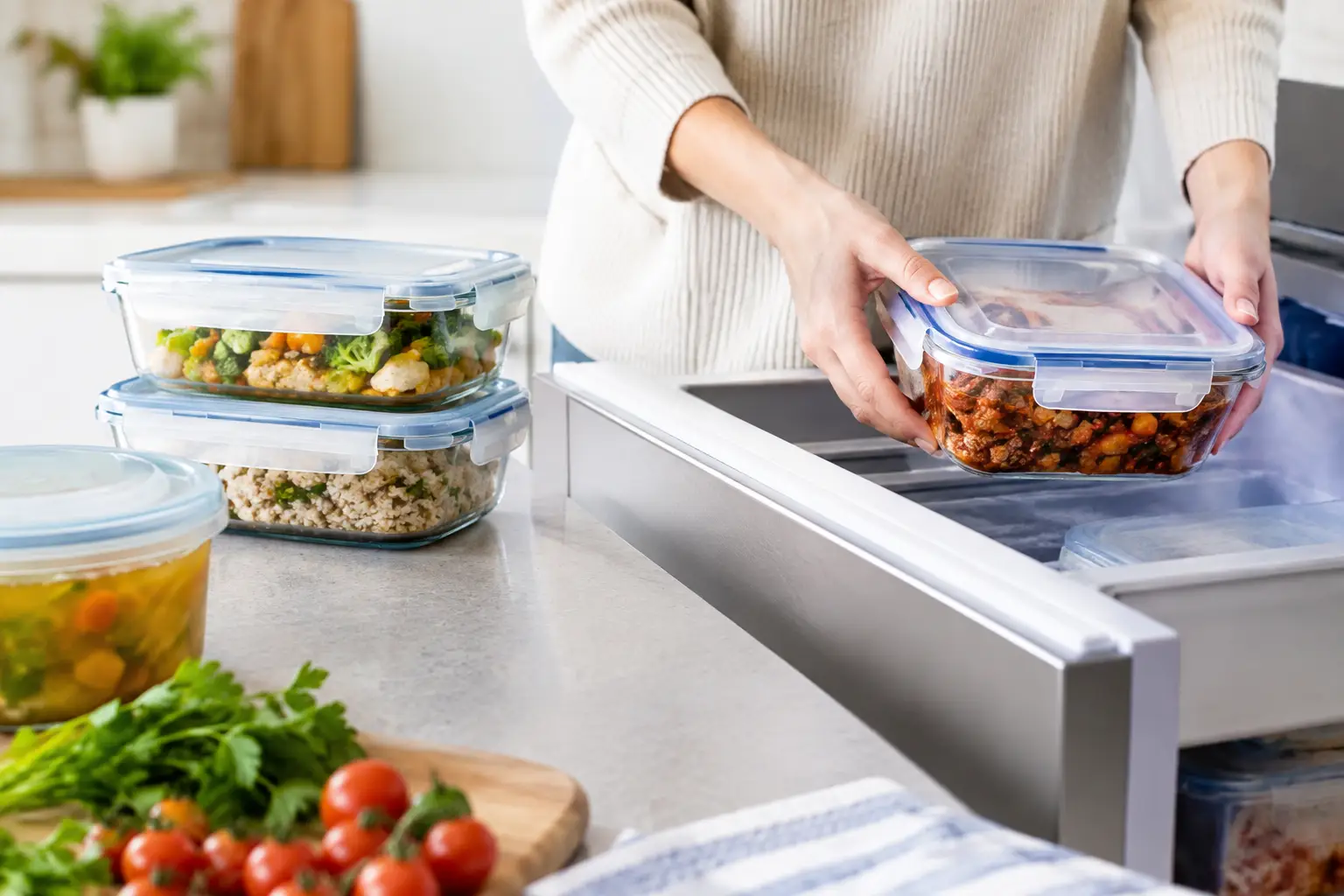
That extra pan of baked ziti, takeout fried rice, or Sunday chili is not just tomorrow’s lunch waiting to happen. It can be a genuinely craveable freezer meal – if you handle it on the right timeline. So, can leftovers be frozen safely? Absolutely. The key is getting cooked food chilled, packed, and frozen before bacteria get a chance to turn a smart save into a food-safety gamble.
Freezing is one of the easiest ways to stretch a grocery budget, rescue a restaurant-sized portion, and make future weeknights feel a little more put together. But the freezer is not a magic reset button. Food that sat out too long is not made safe again by freezing it, and even perfectly safe leftovers can come out dry, icy, or bland if they are packed carelessly.
Can Leftovers Be Frozen Safely After Dinner?
Yes – as long as the food has not lingered at room temperature. The general rule is simple: refrigerate or freeze perishable leftovers within two hours of cooking or serving. If the day is especially hot, meaning temperatures above 90°F, cut that window to one hour.
That includes the usual suspects: meat, poultry, seafood, eggs, dairy-based dishes, cooked vegetables, rice, pasta, soups, casseroles, pizza, and takeout. A pot of chili left on the stove while everyone watches one more episode may look fine, but looks are not a safety test. Harmful bacteria do not always announce themselves with a strange smell or obvious change in texture.
You do not need to wait for food to become completely cold before putting it away. In fact, letting a large, steaming pot sit on the counter for hours is the move to avoid. Divide big batches into shallow containers so they cool faster, then refrigerate or freeze them promptly. If a dish is still warm, leave a little space around the containers in the refrigerator so cold air can circulate.
The Best Leftovers to Freeze for an Easy Win
Some leftovers are practically built for a freezer comeback. Saucy, moist dishes tend to reheat beautifully, especially when they are stored in meal-size portions. Think chili, soups, stews, curries, meatballs, shredded chicken, lasagna, baked pasta, casseroles, cooked beans, taco meat, and tomato sauce.
Rice and cooked grains can also freeze well, but they should be cooled and packed promptly. Spread them in a shallow container or portion them into small bags so they do not stay warm in the center for too long. When reheated, add a small splash of water and cover the dish to bring back some steam and softness.
Not every leftover is a freezer superstar. Crisp fried foods can lose their crunch, creamy sauces may separate, and delicate greens turn limp after thawing. That does not make them unsafe if they were handled correctly – it just means the result may be less than restaurant-level. An air fryer can help revive fries, chicken tenders, and other crunchy favorites, while creamy soups often come back together with a good stir over gentle heat.
Cool, Pack, Label, Freeze
The safest, most satisfying freezer routine is also refreshingly low-effort. First, move leftovers out of large pots, pans, and takeout containers when needed. Shallow containers cool food faster, while individual portions make it far easier to thaw only what you will actually eat.
Choose airtight freezer-safe containers or freezer bags. Press as much air as possible out of bags before sealing them, especially for foods like shredded meat, sauces, and soups. For containers, leave a little room at the top for liquids, which expand as they freeze. This small step helps prevent cracked containers and freezer spills that nobody wants to discover on a busy Tuesday.
Then label every package with what it is and the date. “Pasta” is not nearly as useful as “Baked ziti – March 8.” Your future self will appreciate the clarity when faced with a freezer full of mysterious frosted rectangles. Use the oldest meals first to keep the rotation moving.
For best quality, aim to enjoy most frozen leftovers within two to three months. Food kept continuously frozen at 0°F remains safe much longer, but flavor and texture can slowly fade. Freezer burn is a quality issue, not automatically a safety issue, though heavily freezer-burned food may be dry, tough, or disappointing enough to skip.
How Long Can Leftovers Stay in the Fridge First?
If dinner is already in the refrigerator, you still have time – usually. Most cooked leftovers should be eaten or frozen within three to four days. That means a Monday night roast chicken can become freezer-ready soup or shredded chicken taco filling by Thursday, rather than becoming a questionable science project by the weekend.
The timing matters because freezing pauses bacterial growth but does not erase what happened beforehand. If leftovers have been chilled for four days already, freezing them is better than tossing them only if they were refrigerated promptly and have been stored cold the whole time. Still, quality is likely to be better when you freeze earlier rather than later.
Use extra care with foods that are easy to forget on the counter, such as pizza boxes after a party, takeout containers in the car, picnic salads, and brunch dishes sitting out during a long gathering. When in doubt about how long food has been warm, the safest call is to let it go. A replacement meal costs less than a rough night.
Thaw Leftovers Without the Guesswork
The refrigerator is the easiest and most reliable place to thaw frozen leftovers. Move tomorrow’s dinner from freezer to fridge the night before, then reheat it when you are ready. Small portions may thaw overnight; larger casseroles and containers of soup can need a full day or two.
Need dinner faster? Cold water and the microwave are safe thawing options, with one catch: food thawed by either method should be cooked or reheated right away. For cold-water thawing, keep food in a leakproof bag and change the water every 30 minutes. Never thaw leftovers on the counter, where the outside can enter the temperature danger zone while the middle stays frozen solid.
Reheat leftovers until they are steaming hot throughout, reaching 165°F for the safest target. Stir soups, sauces, and microwave meals halfway through so there are no chilly pockets hiding in the center. If you are reheating a casserole or a thick portion of pasta, covering it helps trap moisture and heat it more evenly.
Can You Refreeze Thawed Leftovers?
It depends on how they were thawed. Leftovers thawed in the refrigerator can generally be refrozen safely, although the texture may take a hit after another freeze-and-thaw cycle. A creamy pasta bake may become softer, and cooked chicken may lose moisture.
Food thawed in the microwave or cold water should be reheated before it goes back into the freezer. The simplest strategy is to freeze in realistic portions from the start. One or two servings per container gives you convenient lunches without repeatedly thawing a family-size batch.
Make Your Freezer a Weeknight Hero
A freezer full of clearly labeled leftovers is less about being overly organized and more about having delicious options when life gets loud. Freeze the extra curry, save those pulled-pork sliders, and give last night’s soup a second act. Just chill food promptly, package it well, and reheat it thoroughly – then enjoy the rare thrill of dinner already being handled.

Leave a Reply