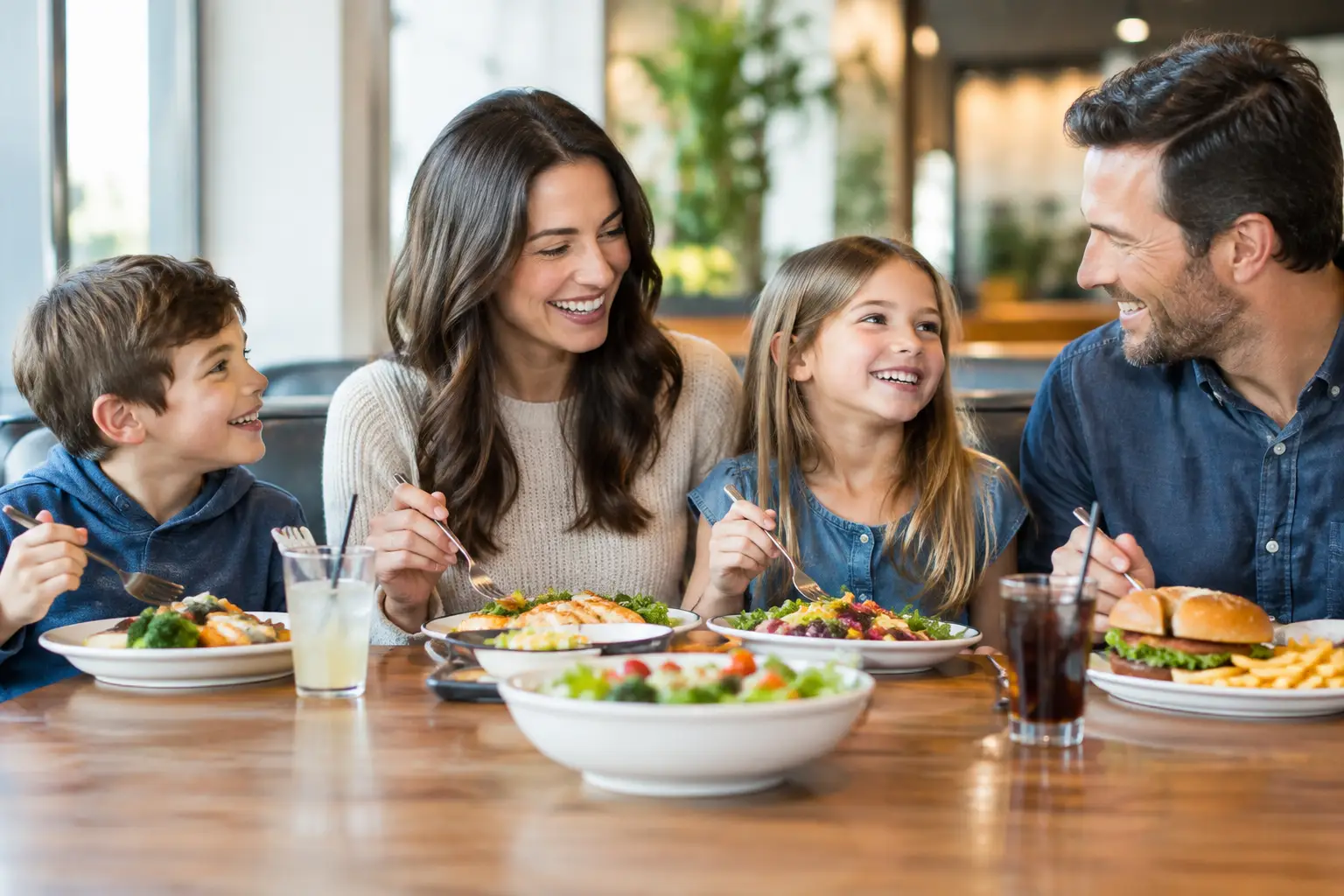
One person wants tacos, another only trusts buttered noodles, and someone is already asking about dessert before the car is in reverse. That is why family restaurant choices can feel less like a casual dinner plan and more like a tiny group project with hungry stakeholders. The good news: a great family meal out does not require finding a restaurant that does everything. It requires choosing one that makes the actual night easier, tastier, and more fun for the people at your table.
Start With the Moment, Not the Menu
The best restaurant for a Saturday birthday lunch may be the wrong call for a Tuesday when everyone has practice, homework, and approximately 30 minutes of patience. Before comparing menus, decide what kind of outing you are having.
For a quick weeknight reset, speed matters. Counter-service spots, neighborhood pizza places, fast-casual bowls, and restaurants with reliable online ordering can win because the food arrives without a long wait. A relaxed weekend meal calls for something different: a booth, a shareable appetizer, maybe a patio, and enough space to let the meal feel like an occasion.
This sounds obvious, but it is the shortcut people skip. A restaurant can have a terrific kids’ menu and still be a poor fit if parking is a headache, the dining room is packed shoulder to shoulder, or the kitchen takes an hour to send out grilled cheese. Convenience is part of the experience, especially when kids are tired or adults are running on fumes.
The Family Restaurant Choices Checklist
A menu does not need to be huge to work for a group. It needs range in the right places. Look for a dependable base of familiar favorites alongside a few options that feel more exciting than another plain chicken tender basket.
For younger diners or selective eaters, check whether sides can be swapped and whether simple dishes are easy to customize. Pasta, rice, fruit, vegetables, grilled proteins, quesadillas, burgers, and breakfast items often offer a low-stress starting point. Families managing allergies or dietary needs should also look for clear ingredient information and staff who can answer questions without making the conversation feel like a scavenger hunt.
Adults deserve more than leftovers from the kids’ plates, too. The sweet spot is a restaurant where grown-ups can order a genuinely craveable sandwich, fresh salad, spicy noodle dish, burger, seafood entrée, or seasonal special while still knowing the table has easy choices for everyone else. That mix turns dinner into a meal, not a negotiation.
Price deserves the same attention. A low menu price can climb quickly once drinks, add-ons, appetizers, and dessert enter the chat. Family bundles, kids-eat-free nights, early dining specials, shareable platters, and generous portions can offer better value than the cheapest entrée on the board. It depends on your group: a family with teenagers may get more mileage from a pizza and a couple of salads, while a family with small children may prefer individual meals and built-in sides.
Make Room for One New Thing
The most memorable family meals usually include a little discovery. That could be a new limited-time milkshake, a seasonal pasta, a local specialty, or a dessert everyone can pass around. You do not have to turn dinner into a food challenge. Simply give each person permission to choose one small thing beyond their usual order.
This is especially useful for picky eaters. Instead of pressuring a child to order an unfamiliar main dish, keep the reliable entrée and add a bite of something new to share. Maybe it is a crispy appetizer, a sauce on the side, or a spoonful of a sibling’s dessert. Low-pressure tasting builds curiosity far better than a lecture about trying foods.
Restaurant chains can be surprisingly good for this kind of outing because seasonal promotions and pop-culture tie-ins give the table something to talk about. Independent restaurants bring a different kind of thrill, whether it is a regional dish, a chef’s special, or a family-owned favorite with a recipe that feels entirely its own. There is room for both in a regular dining rotation.
Check the Experience Before You Go
A family-friendly restaurant is not defined only by crayons and a kids’ menu. The room itself matters. Booths can be a gift for wiggly kids. Outdoor seating can save a loud afternoon. A place that is lively enough to absorb normal family noise often feels more comfortable than a hushed dining room where every dropped fork becomes an event.
At the same time, “kid-friendly” should not automatically mean chaotic. Some families want a bustling, high-energy spot after a long day. Others need calm lighting, quick service, and a seat away from the speaker. Think about the sensory side of dinner, particularly for young children, older relatives, or anyone who gets overwhelmed by a loud crowd.
A quick look at operating hours, reservation policies, parking, wait times, and restroom access can prevent the most common dinner-out disasters. If you are meeting another family, confirm whether the restaurant can handle a larger table. If you are traveling, choose a place close to the hotel or your next stop rather than adding an extra 25 minutes in the car after dinner.
Let Everyone Have a Small Say
Families do not need a full committee meeting to pick dinner, but a little input goes a long way. Try a rotating chooser system: one person picks the cuisine, another picks the dessert, and an adult makes the final call based on budget and logistics. It keeps the decision moving while giving everyone a reason to feel included.
For recurring restaurant nights, create a loose roster of go-to categories rather than locking yourselves into the same two places. Pizza, breakfast-for-dinner, burgers, Mexican, noodles, Mediterranean, barbecue, and a local café can cover a lot of cravings. The goal is not to chase every viral dish or newest opening. It is to have a few dependable answers when the familiar question hits: where should we eat?
If your family is trying to cut costs, restaurant meals can still feel special without becoming an all-or-nothing splurge. Share starters, skip individual soft drinks, choose lunch over dinner, or save dessert for a stop somewhere else. If the priority is celebration, go the other direction and order the item you would not make at home. A night out works best when the spend matches the reason you gathered.
Keep a Shortlist for Different Moods
The real power move is building a personal restaurant shortlist before hunger takes over. Keep one option for fast weeknights, one for a relaxed sit-down meal, one for birthdays or visiting relatives, and one that feels like a fun new find. Add notes in your phone about the best booth section, the dish everyone liked, whether the kids’ portions were generous, and what the bill looked like.
That small habit makes future family restaurant choices much easier. It also lets you support the places that consistently get the details right, from a server who brings extra napkins without being asked to a kitchen that makes a simple meal feel special.
The perfect restaurant may not exist for every person at every meal. But the right one for tonight is usually the place that feeds the whole group with the least friction and at least one dish worth talking about on the ride home.


Leave a Reply