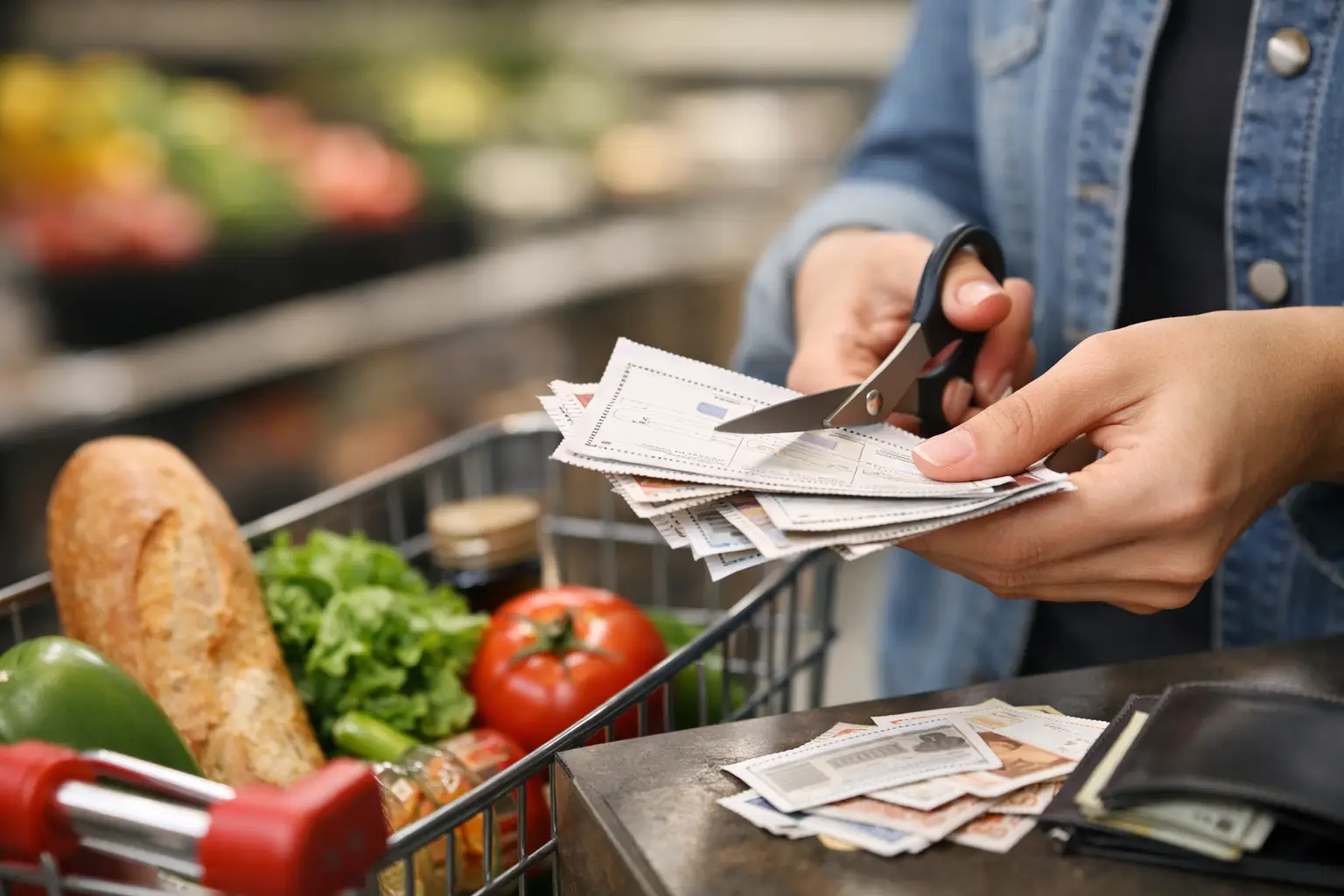
That total at the bottom of the receipt can get wildly out of hand before you have even made it to the fun stuff. Grocery coupons are one of the easiest ways to pull a weekly food bill back down, especially when prices on pantry staples, snacks, and household basics keep shifting. The catch: a coupon is only a win if it is for something you would genuinely buy.
The smartest coupon shoppers are not clipping every offer in sight or building a cart around a random deal on 12 jars of sauce. They are matching timely savings with meals they already plan to make, products they regularly use, and promotions that make a favorite treat feel like a better buy. Think less extreme couponing, more keeping your grocery budget ready for whatever the week brings.
Why grocery coupons feel different right now
Paper inserts still exist, but the modern coupon game is increasingly happening inside store apps, retailer emails, loyalty accounts, and digital circulars. That is good news for anyone who does not want a kitchen drawer full of tiny paper rectangles. A few taps can add offers directly to a loyalty account, and discounts often apply automatically when the right items are scanned.
The bigger shift is personalization. Many grocery chains now serve deals based on what shoppers have bought before. If your household goes through sparkling water, yogurt, coffee, or pet food at a very predictable pace, those targeted offers can be surprisingly useful. They can also tempt you into buying more than you need, so treat them as suggestions, not a shopping list.
There is also a pop-culture side to the savings rush. Limited-edition cereal, movie-themed snacks, seasonal creamers, and viral frozen-food finds often come with launch offers or app promotions. If you already wanted to try the new drop, a coupon can make the experiment feel low stakes. If the deal is the only reason it caught your eye, pause before adding it to the cart.
Start with the meal plan, not the deal
The best way to use grocery coupons is almost boringly simple: decide what you need before you open an app. Plan a few dinners, check the fridge and pantry, then build a list around the gaps. Once that list is set, look for coupons that match it.
Say taco night is on the calendar. A discount on tortillas, shredded cheese, salsa, or canned beans has real value because it lowers the cost of a meal you were going to make anyway. A buy-one-get-one deal on a snack your family never finishes does not suddenly become a bargain because it has a cheerful red badge next to it.
This approach also makes room for one intentional splurge. Maybe it is the trendy new beverage, a bakery dessert for Friday night, or a bag of chips tied to the biggest game of the weekend. Savings on the essentials can make that small extra feel more doable without turning the whole trip into a budget surprise.
Check the unit price before celebrating
A coupon can make a large package look irresistible, but the shelf tag tells the real story. Compare the unit price, usually shown per ounce, pound, or count, with the store-brand and smaller-size options. A $1 discount on a name-brand item may still leave it more expensive than the alternative sitting right beside it.
This matters most with products that are easy to overbuy: fresh produce, bakery items, family-size snacks, and novelty flavors that sounded better in the aisle than they do three days later. Savings disappear fast when food goes uneaten.
Where the worthwhile offers usually show up
For most shoppers, a short routine works better than hunting across every corner of the internet. Check the grocery store app before leaving home, especially the weekly ad and the section with digital coupons. Then look at the brands you buy most often and any cash-back programs you already use. Five focused minutes is usually enough.
Keep an eye on expiration dates and minimum purchase rules. An offer for $5 off may require spending $25 in a specific department, buying multiple participating items, or shopping on a particular day. Those conditions are not automatically bad. They just need to fit your actual plan.
Paper coupons can still be useful for shelf-stable basics and big national brands, while digital offers tend to be easier for weekly shopping. It depends on your store, too. Some retailers let shoppers combine a store coupon with a manufacturer coupon, while others have tighter rules. Read the fine print before assuming two discounts will apply.
If a deal requires downloading a new app, joining a program, or handing over personal data, decide whether the payoff is worth it. Loyalty pricing can be excellent for a regular store, but nobody needs a dozen retailer accounts for a one-time 50-cent offer.
How to stack savings without making it a second job
Stacking is simply using more than one legitimate discount on the same purchase when the store allows it. The most common version is pairing a sale price with a digital coupon. Add a cash-back offer after checkout, and the final cost can drop even further.
The order matters. Start with the weekly sale, then check whether a coupon applies to that exact size, flavor, quantity, and brand. Finally, see whether your store rewards program offers points, fuel perks, or a spend threshold that you were going to reach anyway. A deal can look fantastic until one excluded variety quietly ruins the math.
A few rules keep the process sane:
- Buy only quantities your household can use before they expire or get tired of them.
- Screenshot or save clipped offers before shopping in case the app is slow in the store.
- Watch for “up to” language and limits such as one use per account or one offer per transaction.
- Review the receipt before leaving, particularly when several digital discounts were supposed to apply.
If a coupon fails to come off, customer service can often help when you have the offer details and purchased the correct item. Be polite, be specific, and do not hold up the line trying to solve it at the register.
The deals that deserve a little skepticism
Not every coupon is a bargain, and some are mostly designed to make a higher-priced product feel urgent. Free-item offers can be great, but only if the qualifying purchase is something you already wanted. “Spend more, save more” promotions can also work well for a planned stock-up trip, yet they are risky when they encourage extra spending just to cross a threshold.
Be especially selective with new products. A dollar off a premium frozen meal, protein bar, or flashy beverage is an invitation to try it, not proof that it is a budget choice. That is completely fine when discovery is part of the plan. Food shopping should still have room for a little joy.
Also skip any coupon source that asks for payment information, promises unrealistic gift cards, or makes it hard to understand the terms. Legitimate grocery offers should be clear about the product, expiration date, redemption method, and restrictions.
Make your savings routine easy to repeat
Choose one day each week to check the circular, clip relevant digital offers, and make a loose meal plan. For many households, that is enough. Keep a small running list in your phone of items you buy on repeat, then search those first when promotions refresh.
Over time, you will learn your own best buys. Maybe your local store reliably discounts rotisserie chicken on Mondays, has strong digital savings on household supplies, or marks down seasonal snacks after a holiday. Those patterns are more valuable than chasing every flashy promotion.
The goal is not to leave the store with the biggest pile of coupons or a cart packed with things you did not mean to buy. It is to bring home food you are excited to eat, with enough money left for the next delicious thing worth trying.



Leave a Reply