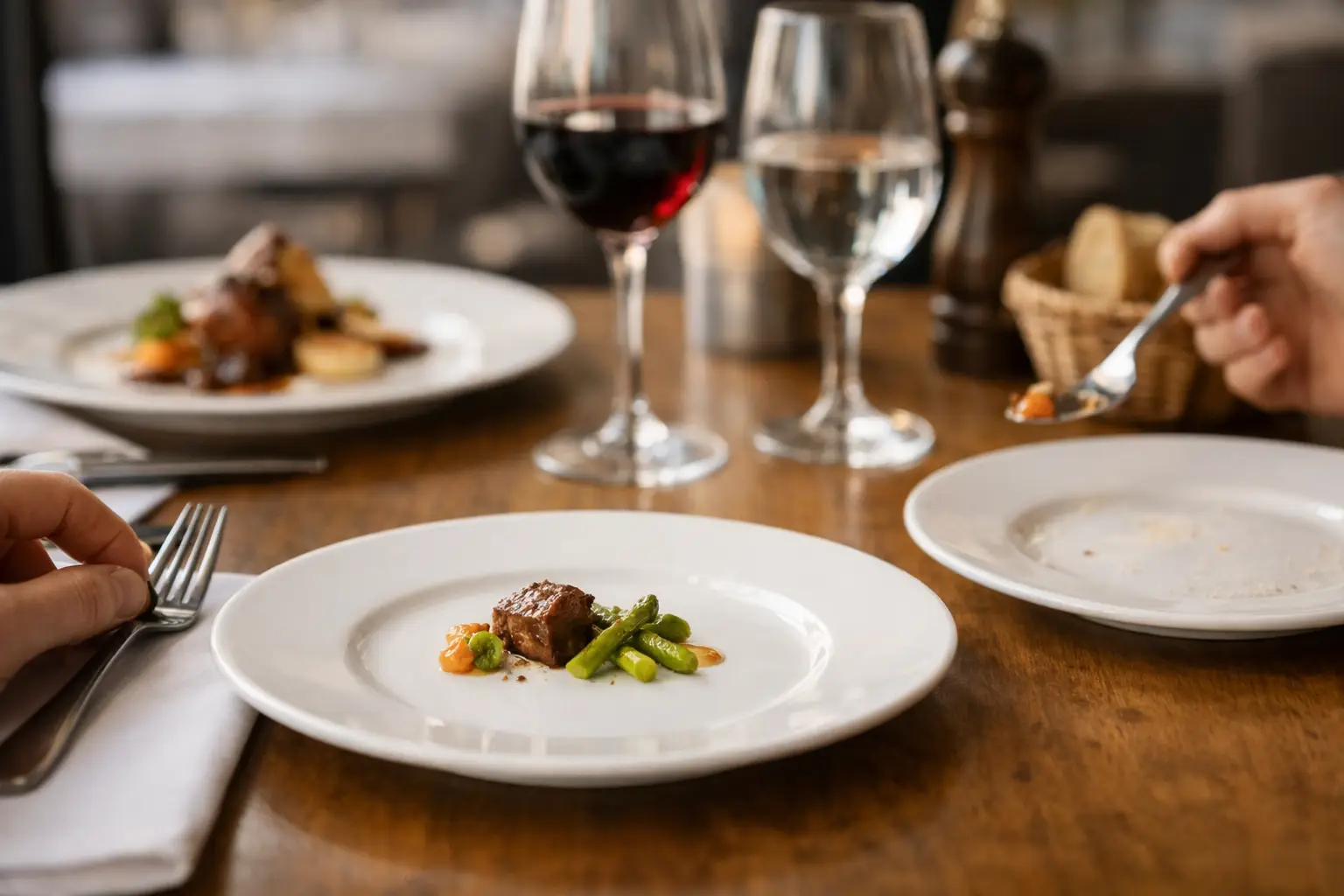
That entrée you used to split with a friend may now disappear in one sitting, and the side of fries might look a little less generous, too. So, why are restaurant portions smaller? The answer is not simply that restaurants are being stingy. A smaller plate can be the result of higher ingredient costs, changing diner expectations, a push to reduce waste, or a menu designed around a more polished experience than pure volume.
For guests, the change can feel personal. You are paying more for dinner, then wondering why the bowl is shallower or the chicken breast looks like it skipped leg day. But restaurant portions have always shifted with the economy, food trends, and the kind of occasion a restaurant wants to create. Right now, those forces are all hitting at once.
Why Are Restaurant Portions Smaller at Some Restaurants?
The biggest pressure is the cost of putting food on the plate. Restaurants are still dealing with pricier proteins, produce, dairy, cooking oil, packaging, rent, insurance, and labor. A menu price can only climb so far before regulars start ordering less often, so many operators look for quieter ways to protect the business.
Portion control is one of them. Using six ounces of steak instead of eight, reducing the scoop of rice, or serving one fewer piece of shrimp can help a restaurant manage costs without turning a $19 pasta dish into a $26 pasta dish overnight. For a guest, that adjustment can be obvious. For a restaurant buying ingredients by the case, it adds up fast.
There is also a major difference between a smaller portion and a worse meal. A chef may reduce the amount of one costly ingredient while adding a bright sauce, seasonal vegetables, house-made pickles, or a better side. That can make a dish feel more intentional, even if it is not built for leftovers. The frustrating version is when the portion shrinks but the plate still feels plain, rushed, or oddly empty.
Food costs are not moving in one direction
Not every ingredient is expensive at the same time. Beef may spike while chicken is more manageable. Avocados, eggs, cocoa, coffee, and certain imported products can swing sharply based on weather, supply issues, and global demand. Restaurants revise recipes and portions to work around those changes, especially at chains that need every location to serve the same item consistently.
That is why your favorite burger may still be the same price but come with a slightly thinner patty, or why a seafood pasta suddenly leans harder on noodles and vegetables. It is less dramatic than announcing a price hike, but diners notice.
Bigger is no longer the only value signal
For years, American dining was obsessed with abundance: giant burritos, bottomless baskets, overflowing appetizer platters, and desserts big enough for a table. That appetite has not vanished, especially in casual dining and quick service. But plenty of diners now want a meal that feels satisfying without leaving them uncomfortably full.
Restaurants have picked up on that. Smaller composed plates, protein-forward bowls, snacky shared dishes, and more considered dessert portions fit how many people eat now. A lighter lunch can feel like a win during a busy workday. A smaller dinner may leave room for a craveable cocktail, an appetizer, or a stop for ice cream afterward.
The catch: diners are happy with a modest portion when the menu is honest about it. A tapas bar, tasting-menu spot, or trendy wine bar can naturally serve smaller plates because the experience invites ordering a few things. A neighborhood restaurant selling a standard entrée at a standard entrée price has a higher bar to clear.
The Hidden Role of Food Waste
Smaller portions can also be a practical sustainability move. Restaurant food waste is a real cost problem, and oversized servings often mean untouched fries, half-eaten sides, and takeout boxes that linger in the refrigerator until garbage day.
By serving portions people are more likely to finish, restaurants can buy and prep more accurately. That reduces waste, which is better for margins and better for the ingredients that took real resources to grow, raise, transport, and cook. It is not the flashiest menu trend, but it matters.
Still, “reducing waste” should not become an excuse for underwhelming food. The best restaurants build a portion around satisfaction, not scarcity. Think of a grain bowl with enough crunch, sauce, vegetables, and protein to feel complete, rather than a tiny scoop of grains dressed up in a very large bowl.
Presentation can make a portion feel smaller
Sometimes the amount of food has barely changed, but the visual experience has. Wide plates, dramatic negative space, miniature cast-iron skillets, and tall bowls can make portions look more dramatic or more restrained depending on the setup.
Fine dining has long used plating as part of the show. Now that style has spread to fast-casual restaurants, hotel restaurants, and social-media-ready brunch spots. A beautifully arranged dish can absolutely be worth ordering, but looks alone do not fill you up. If you leave hungry after a full-price meal, the presentation probably did too much of the heavy lifting.
Is Shrinkflation Happening at Restaurants?
Sometimes, yes. Shrinkflation is the familiar consumer feeling of getting less while paying the same price or more. It is easy to spot with packaged snacks, but it can be harder to prove at a restaurant because recipes, suppliers, and plating change behind the scenes.
A few clues make it more likely. Maybe a chain quietly changes the listed weight of a burger patty. Or, a longtime favorite arrives with less protein and the same familiar price. Maybe the side salad loses toppings, the basket holds fewer pieces, and the menu description stays exactly the same. One change may be a normal adjustment. A pattern can feel like shrinkflation.
Restaurants are in a tricky position here. Raising prices openly can cause sticker shock, while reducing portions can damage trust if guests feel surprised. Some brands handle the trade-off better by offering multiple sizes, pairing a smaller entrée with a generous side, or making add-ons clear before you order. Transparency goes a long way.
How to Get the Most Value From a Smaller Menu
You do not have to treat every dinner out like a math problem, but a little menu strategy helps when portions vary wildly. Start by deciding what kind of meal you want. If you want leftovers for tomorrow, a polished small-plate restaurant may not be the move. If you are meeting friends and want to try several new flavors, smaller shareable dishes can be more fun than one giant entrée.
Look at the descriptions. Words like “petite,” “snack,” “small plate,” “market,” and “tasting” usually signal a lighter serving. Ask your server whether an entrée is filling or whether sides are meant to be shared. That is not a fussy question. It is useful information, especially when you are ordering for kids, splitting a meal, or trying to keep a group dinner from becoming unexpectedly expensive.
It can also pay to order with balance in mind. A smaller steak paired with a substantial vegetable side, potatoes, or bread may be more satisfying than paying extra to double the protein. At a casual spot, a combo or lunch special can still offer better value than building a meal entirely from add-ons.
And when you find a restaurant that serves a generous, delicious meal at a fair price, remember it. Share it with friends. Go back. The places that make guests feel taken care of are the ones worth keeping in the rotation.
Restaurant portions will keep evolving because food costs, trends, and dining habits keep evolving. The most satisfying meals are not always the biggest ones. They are the ones that feel worth the price, taste great to the last bite, and leave you happy you chose that table tonight.


Leave a Reply