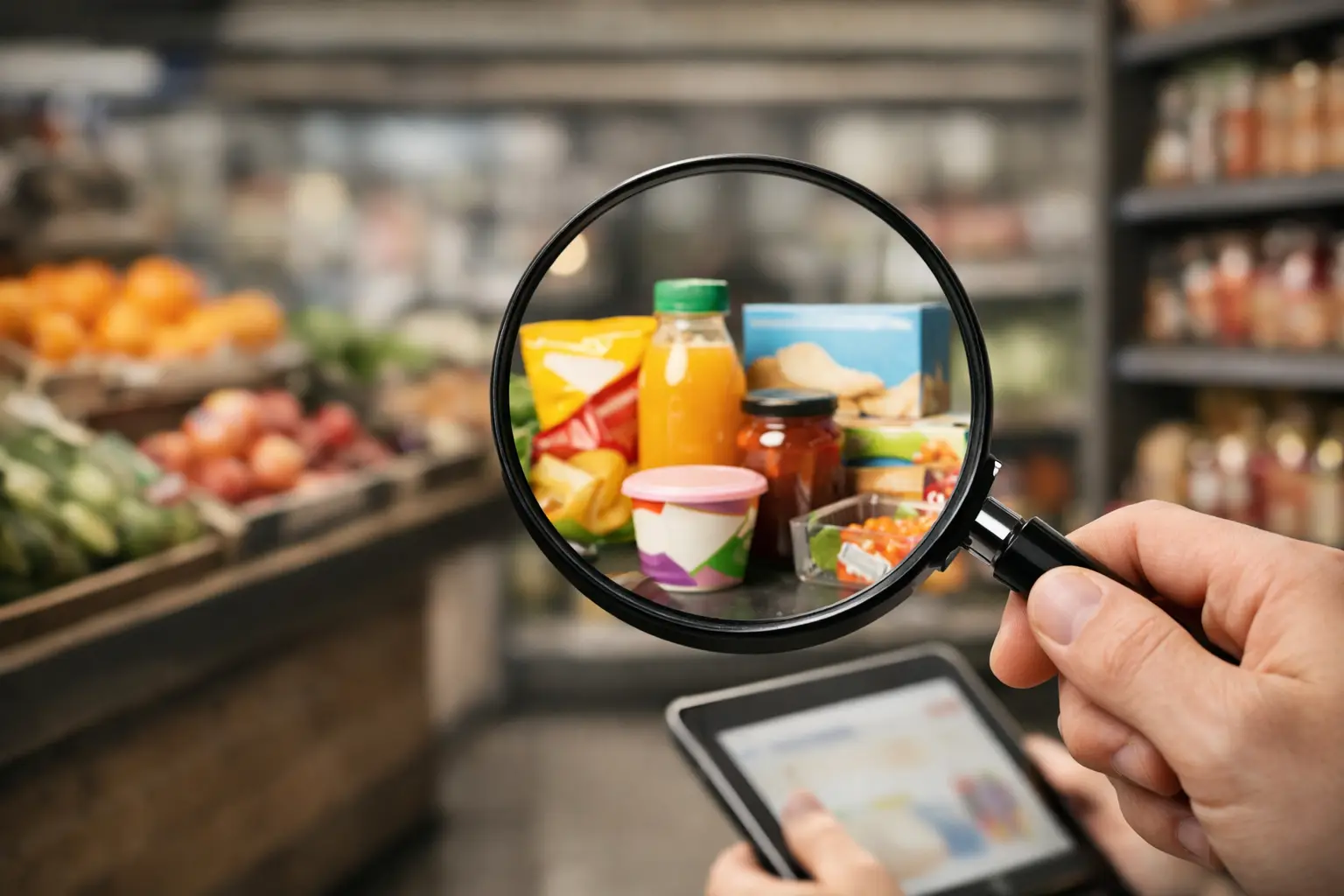
That new spicy chip flavor showing up on TikTok before it hits your local aisle is not random. If you know how to spot grocery product launches, you can catch the next buzzy soda, seasonal creamer, or limited-edition snack before it sells out, trends hard, or quietly disappears.
For everyday shoppers, that means first dibs on fun finds. For trend-watchers, it means knowing what people will be talking about next. And for anyone who loves the thrill of a good grocery run, it turns a regular store visit into a low-key treasure hunt.
How to spot grocery product launches before everyone else
The fastest clue is usually repetition. When the same brand starts teasing similar visuals, flavors, or taglines across multiple places – social posts, retailer apps, packaging previews, and email promos – a launch is usually close. Grocery brands rarely flip a switch out of nowhere. They warm people up first.
Seasonality matters, too. Pumpkin products do not arrive in October anymore. Summer grilling sauces start surfacing before Memorial Day. Holiday candy often appears while it still feels too early. If a brand has a history of launching around a certain moment, that calendar pattern is one of the easiest tells.
You should also pay attention to what kind of launch it is. A permanent item often rolls out slowly and with broader distribution. A limited-time flavor or pop-culture tie-in tends to arrive with louder creative, stronger urgency, and language like “while supplies last” or “available for a limited time.” If the messaging feels louder than usual, the brand is probably trying to create quick buzz.
Social media usually gives it away first
If you want to catch grocery product launches early, start where brands want attention right now. Instagram and TikTok are often the first places where packaging shots, teaser videos, countdowns, and influencer mailers appear. A single close-up of a new can design or a blurred snack bag is often enough to get fans guessing.
Comments can be just as revealing as the post itself. Shoppers will ask where the product is dropping, whether it is exclusive, and when it will hit stores. Sometimes a brand replies with a vague date window, and that is your signal that the launch is already in motion.
Creators are another giveaway. When several food creators suddenly receive the same mystery box or preview package, that usually means a coordinated campaign is underway. Not every send-out leads to a national release, but it often points to a near-term launch, especially for beverages, candy, frozen foods, and snack categories.
Watch retailer apps like a trend radar
Retailer apps are underrated if you are serious about how to spot grocery product launches. Search functions, weekly ads, and “new items” filters often surface products before the average shopper notices them in store. In some cases, products appear online before they are stocked on shelves in your location.
Big chains also use app-exclusive coupons to push trial. If you see a digital coupon attached to an unfamiliar item from a major brand, that can be a sign the product is in launch mode. Brands want those first purchases, and discounts help make that happen.
Availability can be messy, though. A product may show up in the app but not be physically on the shelf yet. That does not mean the listing is wrong. It often means the rollout is regional, the inventory is delayed, or the product is sitting in the back waiting for a reset. Grocery launches are rarely perfectly synchronized.
Shelf changes tell a bigger story than the product itself
One of the smartest in-store habits is to look for disruption. Empty facings with fresh shelf tags, temporary promotional signs, and rearranged sections often signal something new is about to land. Grocery stores make space before a launch becomes obvious.
This is especially true in categories that move fast, like energy drinks, coffee creamers, frozen pizza, yogurt, and chips. If you notice a familiar section has been shifted around, a new item may be on the way. Sometimes the tag appears before the product. Sometimes the branded display arrives before the shelf is full. Either way, those little signs matter.
Endcaps deserve attention, too. Brands pay for visibility when they want a launch to pop. If a seasonal display is packed with one flavor family, promotional colors, or a movie or sports tie-in, that placement is doing more than selling product. It is announcing a moment.
Follow flavor trends, not just brands
A lot of grocery launches become easier to predict once you stop watching individual products and start watching flavor waves. If hot honey is trending across fast food, sauces, crackers, and frozen appetizers, grocery brands will likely bring their own versions to shelves. The same pattern happens with pickle, birthday cake, churro, swicy flavors, retro soda profiles, and protein-packed spins on comfort foods.
This is where trend spotting gets fun. Brands often move in clusters. One release creates attention, competitors notice, and then a wave follows. If you see one major snack brand leaning into bold heat or one beverage brand going all in on nostalgic fruit flavors, chances are more launches are coming right behind it.
There is a trade-off, though. Trend-chasing can produce exciting products, but not all of them stick. Some launches are designed for quick attention rather than long-term shelf life. That does not make them less worth trying. It just means the window may be short.
Packaging refreshes can signal a new item family
Sometimes a launch does not begin with a brand-new product name. It starts with a visual shift. A logo cleanup, color update, or redesigned package architecture can hint that the brand is preparing to expand the line. New flavor extensions often arrive right after a broader brand refresh because the system is already built to support them.
Watch for new callouts like “bold,” “extra creamy,” “zero sugar,” “high protein,” or “made with real fruit.” These phrases can be the first step before a full rollout of new varieties. Once a brand changes how it talks about itself, new launches often follow that positioning.
Press buzz and brand language matter more than you think
Even if you are not reading trade coverage all day, you can still learn a lot from the words brands use. Phrases like “expanding the portfolio,” “debuting nationwide,” “retail exclusive,” and “for a limited time” all tell you what kind of launch is happening. The details help you decide whether to look now, wait a week, or check a specific chain.
Retail exclusives are especially worth noting for shoppers who hate missing out. A product tied to one store may create more hype because it feels scarce, but it can also be harder to find if your local location gets low allocation. National launches are easier to track, while exclusives can feel more like a hunt.
If you follow consumer-facing coverage from outlets like Food, Travel, Living, you can usually catch these clues faster because the details are already filtered into what matters most: what is new, where it is showing up, and why people are excited about it.
The best categories for spotting launches early
Some grocery aisles are basically built for constant newness. Snacks, beverages, candy, frozen treats, breakfast items, and coffee add-ons tend to get the most playful launches and seasonal drops. These categories thrive on novelty, impulse buys, and social chatter.
That does not mean center-store staples never innovate. Pasta sauces, condiments, cereal, and pantry shortcuts still launch plenty of new products, especially around convenience, health claims, and global flavors. They just tend to arrive with less fanfare than a neon energy drink or a limited-edition cookie flavor.
The easiest move is to focus on categories you already shop. If you know the yogurt set at your usual store, you will notice a newcomer immediately. If you never go down the freezer aisle, you will miss half the fun.
Build a simple routine for how to spot grocery product launches
You do not need a spreadsheet or insider access. A quick weekly scan of your favorite retailers, a few minutes on brand social accounts, and some sharper attention during normal shopping trips are usually enough. The point is not to track every single release. It is to recognize the signals before everyone else catches on.
Some weeks will be quiet. Other weeks will feel like every brand suddenly has a new flavor, collab, or splashy seasonal drop. That unpredictability is part of the appeal. Grocery shopping gets more interesting when you know what to look for.
The next time a craveable new soda, limited snack, or bold frozen meal starts popping up everywhere, trust that there were signs. Once you learn to read them, the grocery aisle starts feeling a lot more like the front row.



Leave a Reply